Japanese Jockey Narazaki Kosuke To Debut At Busan

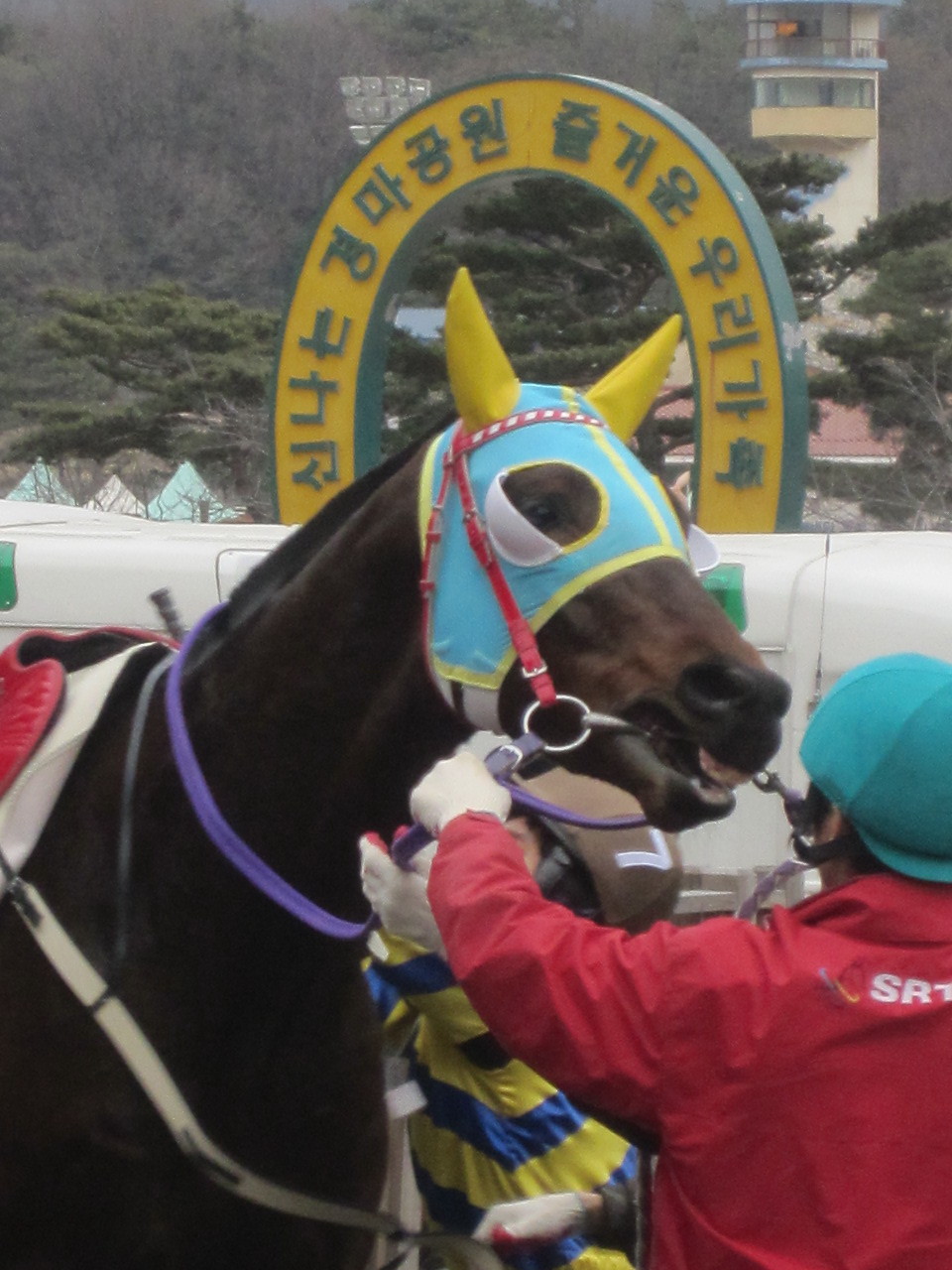
It was Sho Ueno at Seoul last week, this week it is the turn of another Japanese jockey to make his Korean debut.

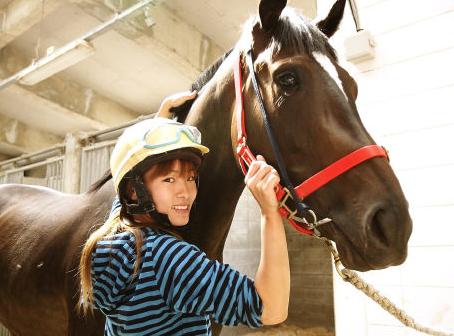
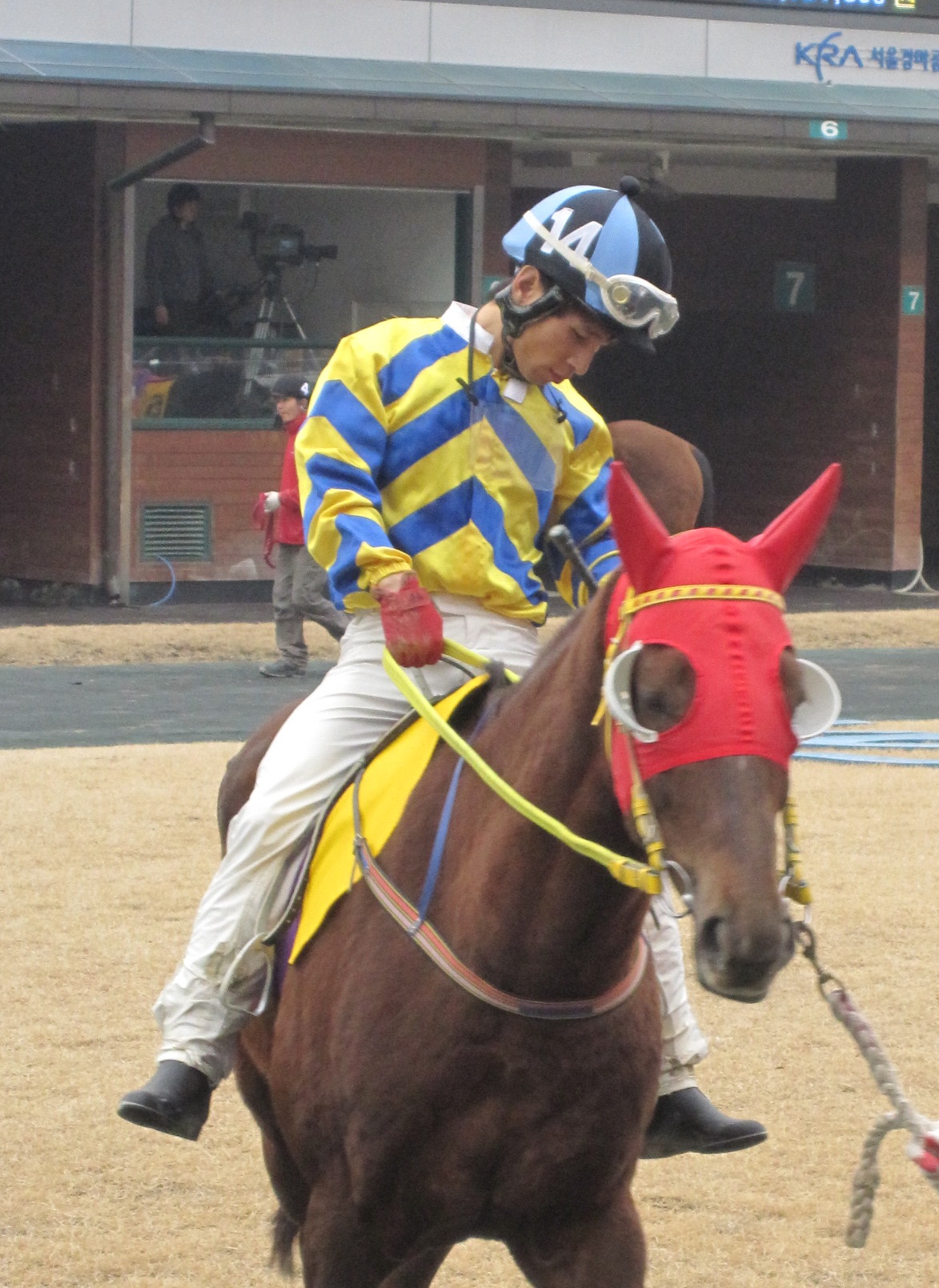
Narazaki Kosuke

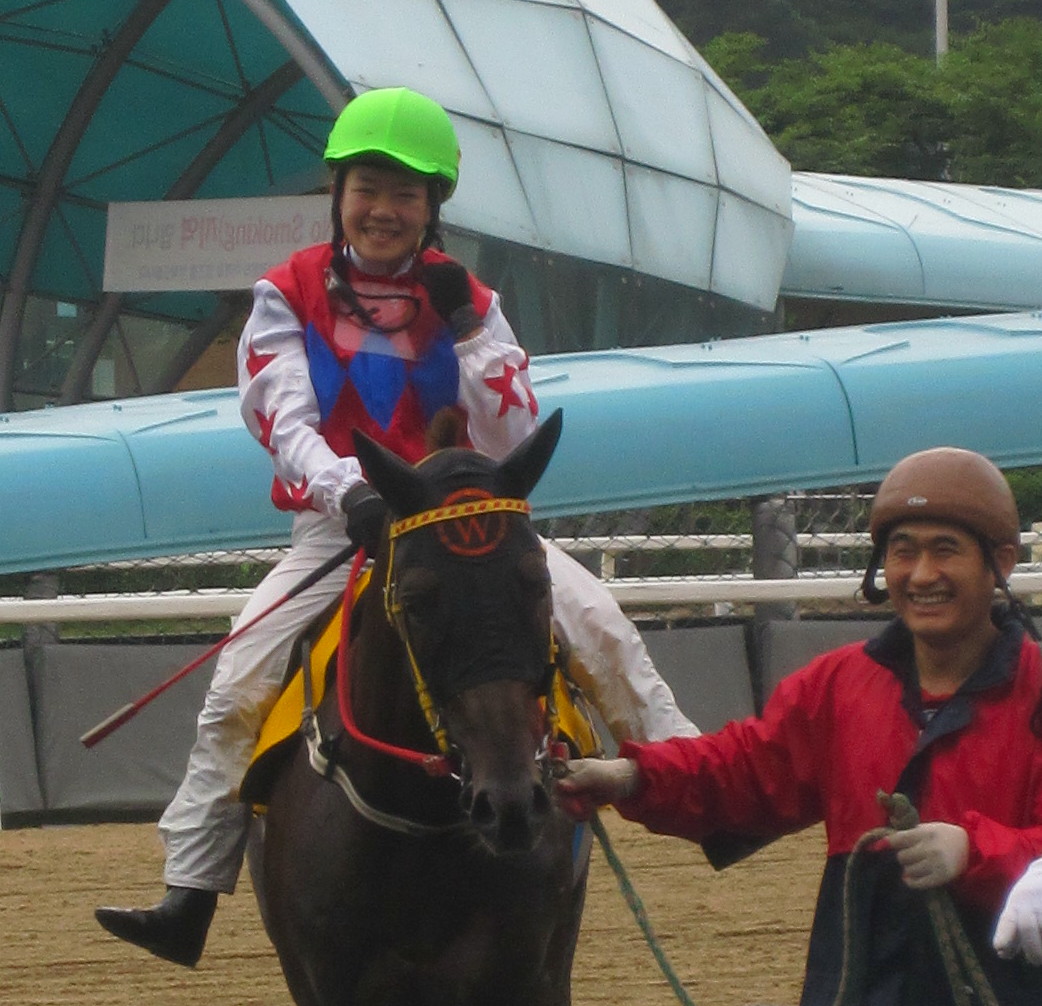
Narazaki Kosuke will have his first rides at Busan this Friday as he fills the foreign jockey slot recently vacated by his countryman Eiki Nishimura.

Kosuke – as he will be known in Korea – is 30 years old and has career figures of 848 wins from 7484 rides since debuting in 1999.

An NAR (rather than the more prestigious JRA) jockey, he has most recently been based at Fukuyama Racecourse in Hiroshima.

Kosuke only has two rides on his first weekend although one is for Busan’s leading trainer, Kim Young Kwan, which is a good sign. The other is for Kim Jae Sub who is one of the biggest supporters of foreign riders at the track.

Two other foreign jockeys have also been granted temporary licenses at Busan. More on that next week.

h/t @LBshaka

Sho Time – Japanese Jockey Ueno Has a Tough Task Ahead

Over the weekend, Sho Ueno became the latest Japanese jockey to debut at Seoul Race Park, replacing Mai Beppu who left the track at the end of February. He has a tough task ahead of him.

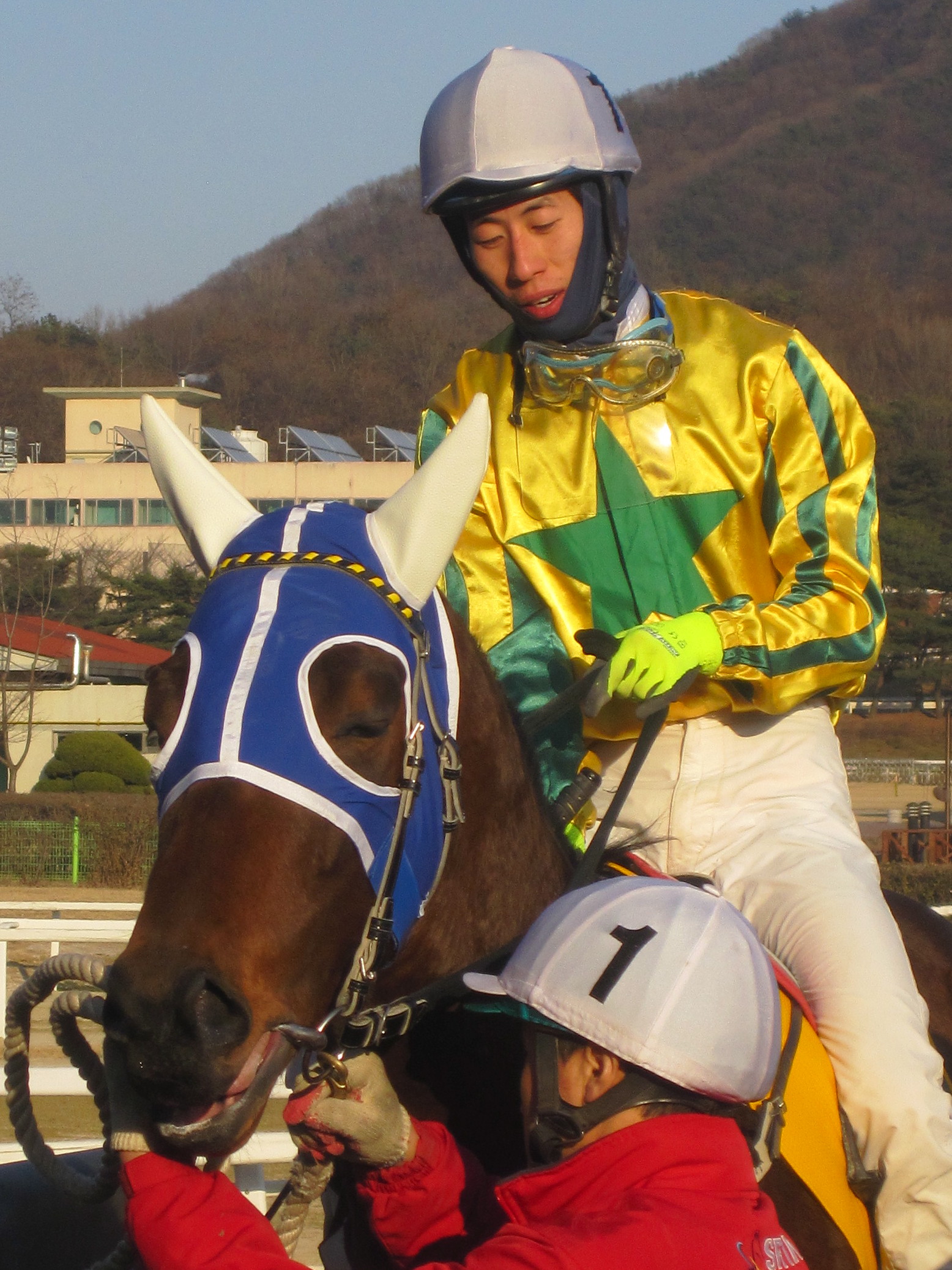
Sho Ueno at Seoul

Nevertheless, the young JRA rider made an encouraging start. With just four rides across the weekend, all unfancied, he ended up with two third-place finishes and another fifth with only one being out of the prize-money.

The foreign jockeys are now the only ones who are considered “freelance”. All others are attached to trainers.

Under the jurisdiction of the Jockey Union, it used to be the case that jockeys who were retained by a trainer could only take five race rides per week but would get a salary for trackwork. Freelancers could ride as many as they wanted but would have no guaranteed salary.

The best jockeys went freelance and on average, earned three to four times that of retained jockeys. The very top ones even more.

Now all jockeys are retained by a trainer with a limit for everyone of 14 rides over a weekend. Of course, the best jockeys still get all the best rides – Moon Se Young is with Ha Jae Heung and Ch Kyoung Ho back with his old boss Shin Woo Chul.

The new system makes is, however, likely making it even harder for the foreign jockeys to get rides. When each trainer has two or three jockeys retained, they need a very good reason to employ someone else. Not a problem for Moon Se Young who gets plenty from many trainers, but not so easy for the foreigners.

And the figures don’t lie. Makoto Noda has won 8 times since arriving last June while Toshi Inoue has just 1 victory to show from his three months so far – and that was on his first day. They are poor returns but both, just like Beppu and Hiro Hamada before them, seem more than capable in the saddle but only get opportunitites to ride horses in contention for the minor placings at best.

On the surface, the success last year of Nathan Stanley and Akane Yamamoto at Busan would appear to undermine this theory. In reality, however, while both were officially the only freelancers at the track, in reality the pair acted as stable jockeys to Peter Wolsley and Kim Young Kwan in all but name. It’s unlikely a visitor to Seoul will get similar opportunities any time soon.

With Cho Kyoung Ho sidelined since January, Moon Se Young has dominated the early part of the Seoul season. The breakthrough of the year is Seo Seung Un, still a first year apprentice but fourth in the standings:

2012 Seoul Jockey Championship (Up to March 12)

1. Moon Se Young – 33
2. Oh Kyoung Hoan – 16
3. Park Tae Jong – 14
4. Seo Seung Un – 12
5. Jo In Kwen – 11

Weekend Round-Up

Onsaemiro ran the race of her life at Busan this afternoon. Unfortunately, it will be her last. The four-year old was sent off as the 6/1 joint second favourite behind odds-on Tamna Ace (Thunder Gulch) who was bidding for an 11th win out of 15 starts in the track’s feature race.

Tamna Ace was never a factor though as Kim Yong Geun took Onsaemiro straight to the front and they never looked back taking a two-length win from Tough Tiger and Winning Perfect with Tamna Ace in fourth.

However, after the line disaster struck. Her foreleg gave way, and jockey Kim was on the ground. Although she managed to pull herself up and attempt to follow the rest of the field back to scale, the damage was obvious.

Onsaemiro [Harlan’s Holiday-Regal Heir (Regal Intention)] had 5 wins and 5 second places from 17 career starts, taking part in 2 Stakes races. Today was her first win at the elite Class 1 level.

Yacheonsaryeongbu was a winner at Seoul today

Up at Seoul, the feature race of a low-key afternoon ended in a narrow victory for four-year old Yacheonsaryeongbu (Vicar) who was recording his 6th win on his 14th start.

Performance of the day, however, goes to US import Grand Niner (Any Given Saturday) who looked very comfortable on his first attempt at racing around two turns as he eased to a five length victory in race 8.

The three-year old has now won all 3 of his starts without needing to try very hard.

Earlier on back at Busan, there was another impressive performance from a three-year old import as filly Gamdonguibada (Werblin) recorded a 12 length victory over a mile. It was her 4th win from 5 starts and, while it was only at class 3, things look good for the future.

* Yesterday at Seoul, four-year old Magnifique (Menifee) returned to form in the feature race. He was kept off the Classic trail last year but spent the autumn racking up successive victories before flopping when favourite in his season debut last month when he finished out of the money for the only time in his career so far.

Yesterday there were no problems though as he recorded victory by a length and a half over Andy’s Runner.

Grand Niner is not exactly stretched as he saunters to victory at Seoul this afternoon

Weekend Preview

We’re less than a month away from the KRA Cup Mile and while many of the contenders will have already had their final race before the first leg of the Korean Triple Crown, there’s still plenty to occupy us on the peninsula this weekend.

Filly Grand Teukgeup (Menifee) seeks her fourth straight win as she takes on the Cup Mile distance for the time on Friday afternoon.

Low-key racing but still a lot to see this weekend

She goes up against ten rivals one of whom, Baekho Janggun (Pico Central) could see himself added to the classic mix with a good performance.

Busan’s Friday feature sees old-timers Crafty Louis (Louis Quatorze) and Wonder Love (Wild Wonder), both of whom have been racing at Busan since the track opened in 2005, making their season-debuts. They will probably find the comparatively youthful six-year old Purely Spontaneus (Pure Precision) a bt too quick for them.

On Sunday at Busan, Tamna Ace (Thunder Gulch), with ten wins from fourteen starts, will be the one to beat in the feature handicap.

Up at Seoul, it’s very much a low-key weekend. The most valuable race is on Saturday afternoon when Magnifique (Menifee), who was less than magnificent in his last start, seeks to get back to winning ways in a nine furlong handicap. Former champion filly Love Cat (Creek Cat) is among nine rivals.

It’s been a reasonably pleasant week weather-wise, however, temperatures are set to drop a little for the weekend.

Friday March 9

Busan Race Park: 10 races from 12:00 to 18:00
Jeju Race Park: 9 races from 13:30 to 17:30

Saturday March 10

Seoul Race Park: 12 races from 11:00 to 17:20
Jeju Race Park: 9 races from 12:20 to 17:20

Sunday March 11

Seoul Race Park: 11 races from 11:00 to 17:40
Busan Race Park: 7 races from 12:15 to 16:40

Akane is Famous!

Japanese Racing TV has produced a feature on jockey Akane Yamamoto as she comes to the end of her first year riding at Busan.

It’s all in Japanese but well worth a look both for the quintessentially Japanese graphics at the beginning and also for the trackwork shots of Busan:

*h/t @uk_maniax

Before coming to Korea, Kyoto-native Yamamoto had a spell riding in New Zealand.

In Korea for being the current jockey of Mister Park, who last year set a Korean record of 17 consecutive wins. She has won twice on him and rode him to second-place behind Tough Win and ahead of Smarty Moonhak in last year’s Grand Prix Stakes at Seoul Racecourse.

Her total record in Korea to date is 34 wins from her total 217 rides.

Too Simple For Smarty Moonhak

It was oh so simple for Smarty Moonhak (Smarty Jones) at Seoul Racecourse this afternoon as the three-year old romped to his second easy win of 2012.

He was yawning in the paddock beforehand and, with nothing prepared to take him on as they came out of the gate for the 2000 metre feature handicap, his new jockey Moon Jung Kyun took Smarty Moonhak straight to the front.

Smarty Moonhak in the Winner's Circle at Seoul today

There they set a very pedestrian pace, slowing to almost a halt in the back straight as Moon invited the rest of the field to have a go.

No-one accepted and the favourite ultimately accelerated away in the final two furlongs to win by seven lengths without ever being challenged or allowed to extend himself, Moon not using his stick the whole way around.

It wasn’t much of a race, the others clearly hoping that if allowed to lead, an over-eager Smarty Moonhak would tire himself out early. That was never likely to happen and Jewang Tansaeng (Petionville) was left to win the race for the minor placings ahead of Ppoppai (Rockport Harbor).

It was one of the slowest ten furlongs run at Seoul for a very long time and therefore nothing more than a workout for Smarty Moonhak. Moon Jung Kyun did his job and protected his horse. He carried 59Kg and will, inevitably, go up in the handicap again. Tough Win and Dongbanui Gangja both won up to 63Kg and it seems as though this colt will do the same.

The real test is not going to come in handicaps though. Among the crowd at Seoul today was Kwak Jong Soo, owner of Mister Park. Kwak was up from Busan in order to visit the exhibition for his record-breaking horse that is currently being held at Seoul Racecourse. That exhibition has a picture of Mister Park alongside Tough Win and Smarty Moonhak, between whom he finished in the Grand Prix Stakes in December, ending his unprecedented winning streak.

Kwak and everybody else involved knows that these three must clash again although with Tough Win yet to reappear since winning the Grand Prix, it seems some way off until the right Stakes race brings them together.

It will happen though. Until then, Smarty Moonhak, possibly the most exciting talent we’ve had in Korea for years, can only beat what races against him. Hopefully next time they won’t all decide to simply race for second place.

Class 1 Handicap – Seoul Race Park – 2000M – Sunday March 4, 2012

1. Smarty Moonhak (USA) [Smarty Jones-Madeira M’Dear (Black Tie Affair)] – Moon Jung Kyun – 1.0, 1.0
2. Jewang Tansaeng (USA) [Petionville-Awesome Joy (Awesome Again)] – Park Tae Jong – 1.6
3. Ppoppai (USA) [Rockport Harbor-Fair And Lively (Lively One)] – Lee Gang Seo – 2.9

Distances: 7 lengths/2 lengths, 11 ran

Earlier, Jigeum I Sungan (Ingrandire) continued to burnish his classic credentials. The colt beat a competitive class 3 field over 1700 metres in race 7 by a full four lengths in a decent time. It’s only his third win from nine starts, however, unlike some of his rivals, he is showing great development each time out. Whether he ventures to Busan for the KRA Cup Mile in a month’s time or is saved for Derby remains to be seen.

At Busan there were co-feature races. US import Viva Ace (Macho Uno) upset hot favourite Jewang Tansaeng (Stromberg Carlson) in the first of these while lightly raced five-year old Quantum (Ecton Park) took victory in the second. Quantum, who missed over year with injury, now has a record of six wins from nine starts.

Weekend Preview: Smarty Moonhak at Seoul, Classic Hopefuls at Busan

It’s March and there has been a definite spring-like feel to the weather on the peninsula over the past few days. On the track it’s set to be a big start to the month as Korea’s current hottest racing property, Smarty Moonhak (Smarty Jones) makes his second appearance of 2012.

After dispatching two-time Grand Prix Stakes winner and former horse of the year Dongbanui Gangja by ten lengths in his last outing, the three-year old should have little difficulty seeing off a less than daunting class 1 field in Sunday’s 2000 metre feature handicap.

Moon Jung Kyun gets the mount on Smarty Moonhak

Smarty Moonhak will be carrying 59Kg and will for the first time be ridden by Moon Jung Kyun instead of previous regular Shim Seung Tae.

Best known for riding J.S. Hold to the Korean Triple Crown in 2007, Moon has taken over as stable jockey for trainer Ko Ok Bong with Shim moving to Kim Ho. As jockeys in Korea ride in their own colours instead of those of the owners, it will mean a slightly different look for the horse.

So long as the weight isn’t a problem few of his rivals seem likely to be.

On Saturday, Singgeureounachim (Exploit) headlines the feature race while top-rated three-year old filly Cheoneun (Forest Camp) goes over the Derby distance of 1800 metres in race 9.

Down at Busan, Friday sees Classic prospects Gyeongbudaero (Menifee) and Good Time (Yehudi), last year’s champion Juvenile, attempt the Derby distance for the first time in race 9.

There are co-features on Sunday. Aussie colt Jeonseong Sidae (Stromberg Carlson) headlines the first of these while both Peter Wolsley and Joe Murphy saddle contenders in the second in the shape of Pnata Rhei (Stormy Atlantic) and Ganghan Yeoja (Lethal Instrument) in the six furlong sprint.

Here’s what’s happening when and where:

Friday March 2

Busan Race Park: 10 races from 12:00 to 18:00
Jeju Race Park: 9 races from 13:30 to 17:30

Saturday March 3

Seoul Race Park: 12 races from 11:00 to 17:20
Jeju Race Park: 9 races from 12:20 to 17:20

Sunday March 4

Seoul Race Park: 11 race from 11:00 to 17:40
Busan Race Park: 7 races from 12:15 to 16:40

Kim Gu – “Baek Beom” – Independence Fighter, Writer, Politician and Punter

A few years ago, Korean lawmakers were asked to vote on who they respected the most in Korean history. The results were the same as an earlier poll among the general population to find who was considered the greatest Korean leader since independence.
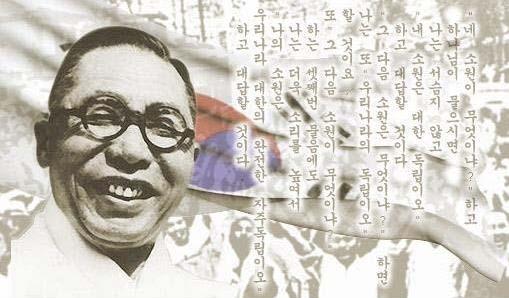
Kim Gu

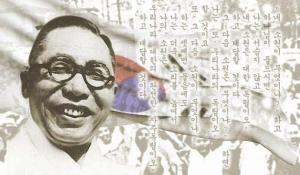
In the greater scheme of things, polls may be meaningless but there is no doubt that the man who topped both, Kim Gu – also known by his pen-name of “Baek Beom” (“Ordinary Man”), was one of the most important Koreans of the twentieth century.

His life story and role in the fight for Korean independence is well-known. Also well-known, but less celebrated, is that when he got the opportunity, Kim Gu liked nothing better than betting on the horses.

Born in Hwanghae (now North Korea) in 1876, Kim Gu first came to prominence in 1896 for the murder – and murder it was – of a Japanese man he suspected of being involved in the Japan-ordered assassination of Korean Queen Myeongseong (better known to history as Queen Min). Kim was sentenced to death but escaped from prison and, after a short spell at a Buddhist temple, became a teacher.

In 1905, the Japanese Empire formally annexed Korea. Kim joined anti-Japanese protests and eventually became  one of the leading figures of the Independence movement, spending the next fifteen years in and out of prison. After the suppression of the March 1 Movement in 1919 and subsequent humiliation a Korean delegation suffered at the post-World War 1 Paris Peace Conference, Kim exiled himself to China.
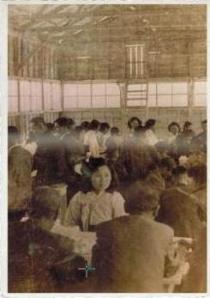
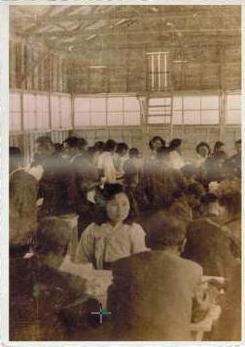
The betting hall at Sinseol-Dong Racecourse, Kim Gu would still have been in exile when this picture was taken

Joining the Korean government in exile he rose to become President of the “Provisional Government of the Republic of Korea” in 1927. This group carried out regular insurgencies against the Japanese before joining with the Allies in World War 2.

In 1945, after 26 years away from home, Kim and the rest of his group finally returned to Seoul to form the new government of a once more free Korea. Unfortunately, the country would immediately be divided into the Soviet backed North and the US backed South.

A year later, the remains of Kim’s mother, Kwak Nak Won, who died in Chongqing, were repatriated. It is said that Jockeys from Seoul Racecourse escorted her funeral procession from Seoul to her final resting place. From that moment on, “without fail”, Kim Gu, already known for his fondness for horses and racing, attended the races at Sinseol-dong every weekend.

In those few short years between independence and the outbreak of the Korea War, the racetrack at Sinseol-dong was the place to be. Kim Gu was the President, however, in reality the US Military Government ran the country up until 1948 and Archer Lerch, the third head of that government, was also often to be found at the track with his senior staff.

With them as enthusiastic punters were Kim’s Provisional government colleagues Shin Ik Hee, Speaker of the National Assembly, and most significantly, Syngman Rhee along with his Austrian wife Francesca Donner. Rhee would go on to defeat Kim in the 1948 election and rule South Korea throughout the Korean War and, increasingly despotically, up until 1960.
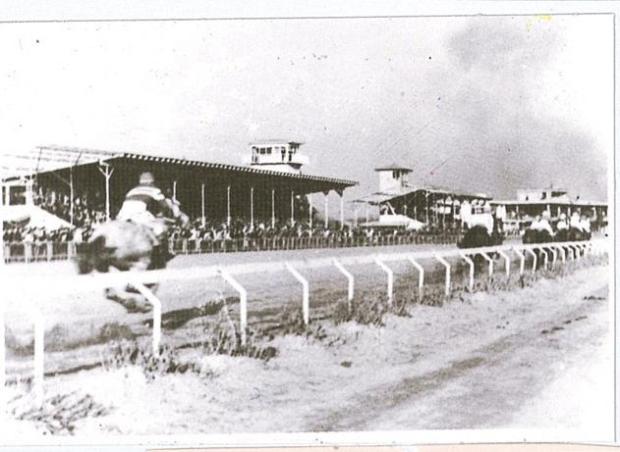
A race at Sinseol-dong in the late 1940s when Kim Gu, Syngman Rhee and Shin Ik Hee were track regulars

Kim Gu was, by all accounts, a flamboyant figure at Sinseol-dong. In his regular place in the VIP lounge on the 3rd floor and always dressed in Hanbok – the traditional flowing Korean robes – he would bark his bets at bookmakers (which even then was illegal as the tote has always had a monopoly in Korea) and then ferociously wave his betting slips over his head as the horses entered the home straight.

The racing authorities, taken somewhat by surprise at being graced with the presence of such high-profile figures, quickly arranged for some races to be renamed in honour of their illustrious patrons. Trophy races named after Syngman Rhee, Shin Ik Hee and Kim Gu were all held, right up until Sinseol-dong’s last day as Seoul Racecourse.

Kim Gu was assassinated in his office in 1949. To this day, there is speculation as to who may have been involved (the assassin himself was murdered in 1996 not long after claiming that Kim’s death had indirectly been ordered by the Rhee administration – and therefore even more indirectly by the CIA). Korea had lost one of its modern founding fathers. Less significantly, Korean horse racing had lost perhaps its greatest ever supporter.

Sinseol-dong Racecourse was destroyed during the early days of the Korean War. Syngman Rhee, who was very much a committed punter, did attend the new Ttukseom Racecourse although nowhere near as regularly as he did Sinseol-dong. His eventual successor Park Chung Hee who, just like Rhee before him, became increasingly authoritarian as his Presidencey wore on, was an occasional visitor to the track.
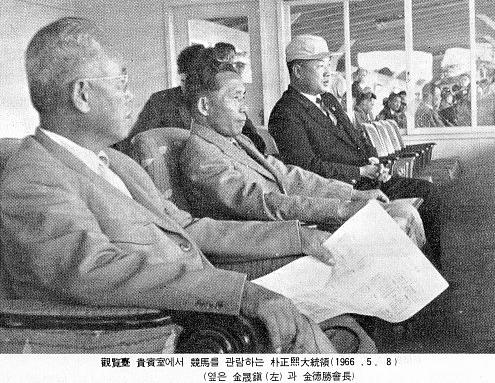
President Park Chung Hee (centre) in the VIP box at Ttukseom

Park recognised horse-racing as very much a common working-people’s sport and therefore something he should be seen to be supporting. Indeed, he lent his title to the first running of the President’s Cup – a race which, despite undergoing several reincarnations, is still run for today.

Park was the last President to be known as a racing fan. Just like Kim Gu, Park Chung Hee also met his end at the hands of an assassin. His successor Chun Doo Hwan (another military dictator), was recorded as having toured the Ttukseom Stables one morning in the early 1980s but did not stay for the racing. Subsequent Presidents have not been seen at the track. Current President Lee Myung Bak’s signature may appear on the back page of the Korean Racing journal every weekend granting that publication the Presidential charter, but it’s the Agriculture Minister who is the only government member who is ever required to actually show up at the track.

It’s no great loss and President Lee has, however,  signed off on the new racecourse being built in Yeongcheon – close to his main power base. Apropos of nothing, the last new racecourse, Busan, was built in former President Roh Moo Hyun’s hometown of Gimhae.

Having said that, given that these days, attending the racing is not something that one will readily admit to in polite Korean society, it is worth contemplating that once upon a time, everyone who was anyone in Korea spent their Sundays on the 3rd floor at Sinseol-dong cheering their horse home.

* Kim Gu is buried in Seoul’s Hyochang Park next to a charming but crumbling soccer stadium. The small park and the museum dedicated to Kim is worth visiting if you are in Seoul. There are not many English language resources on Kim but his Wikipedia page is quite detailed. His most famous piece of writing is a passage at the end of his autobiography called “My Desire” which is reproduced in full here.

Pictures on this post are from the KRA’s archive while additional sources (Korean) are Herald Kyeongje, 1 April 2010; Chosun Ilbo June 2, 1999.

* See here for a look at what is on the site of both the Sinseol-dong and Ttukseom racecourses today.
Bye, Mai – Japanese Jockey Change at Seoul

Mai Beppu’s time riding in Korea has come to an end. The Japanese jockey has held a license at Seoul Race Park for a full year but will return to Japan at the end of February. She will be replaced by young JRA jockey Sho Ueno.

Yes!! I'm going home! - Mai Beppu

Beppu first rode in Korea in the “International Lady Jockey Invitational” – an event that mercifully for all sorts of reasons hasn’t been repeated – in Busan in 2009, finishing third in the race behind fellow Japanese Hitomi Miyashita who herself went on to spend a successful year riding full-time at Busan.

Beppu arrived in Seoul last March and, after getting injured on her first weekend went on to have a reasonably successful time at the track – at least by the usual standards of the thankless task that is being a foreign jockey riding at Seoul. She ended with 13 wins over the year, with a quinella strike rate of 9%. Like all other foreign jockeys at Seoul, while she did get plenty of rides (around 300 in total), their quality was lacking.

Always smiling, the 24 year-old Mai was popular with punters, trainers and other jockeys (some more than others) and will, with any luck, continue to have a successful career in future.

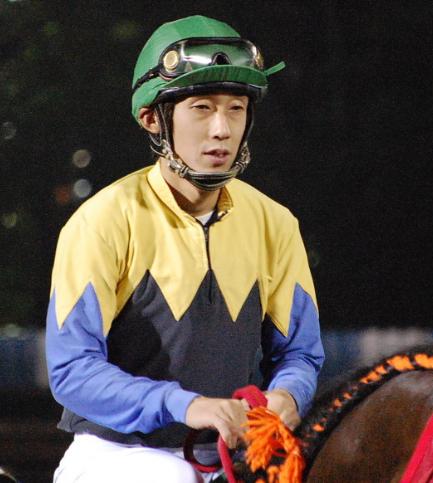
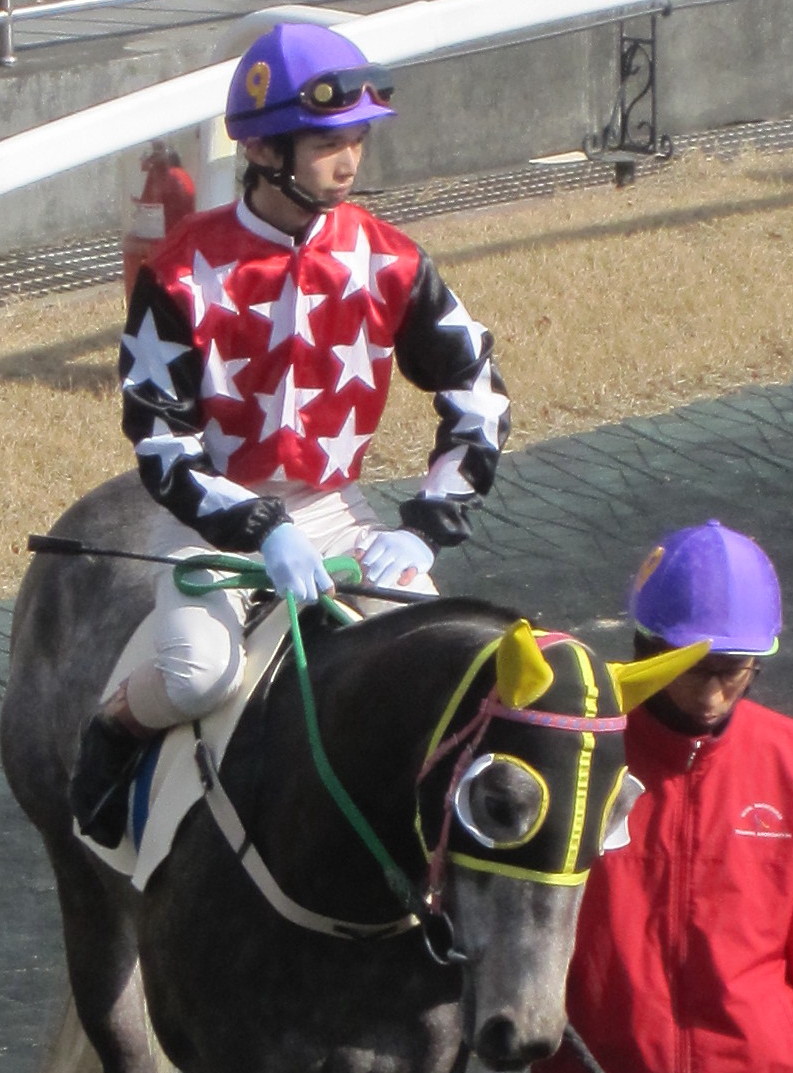
Mai’s replacement at Seoul is 26 year-old Sho Ueno. Based at tthe JRA’s Ritto Training Centre, Ueno debuted in 2004 but has only managed 38 winners from 1,236 rides in Japan. He joins Makoto Noda, who is coming to the end of his license and Toshihiko Inoue as the only foreign riders at Seoul.

Akane Yamamoto is currently the only foreign jockey at Busan although the suspended Nathan Stanley is still licensed. Sho Ueno is on an initial 4 month license starting March 1.