News

Weekend Preview: Grand Prix!

Tough Win, Dongbanui Gangja, Mister Park, Dangdae Bulpae all face-off in 2010 Championship Race

It’s the big one. The stars of Korean racing will assemble in the floodlit late afternoon at Seoul Race Park on Sunday for the 29th Grand Prix Stakes to decide who is the undisputed best on the peninsula.
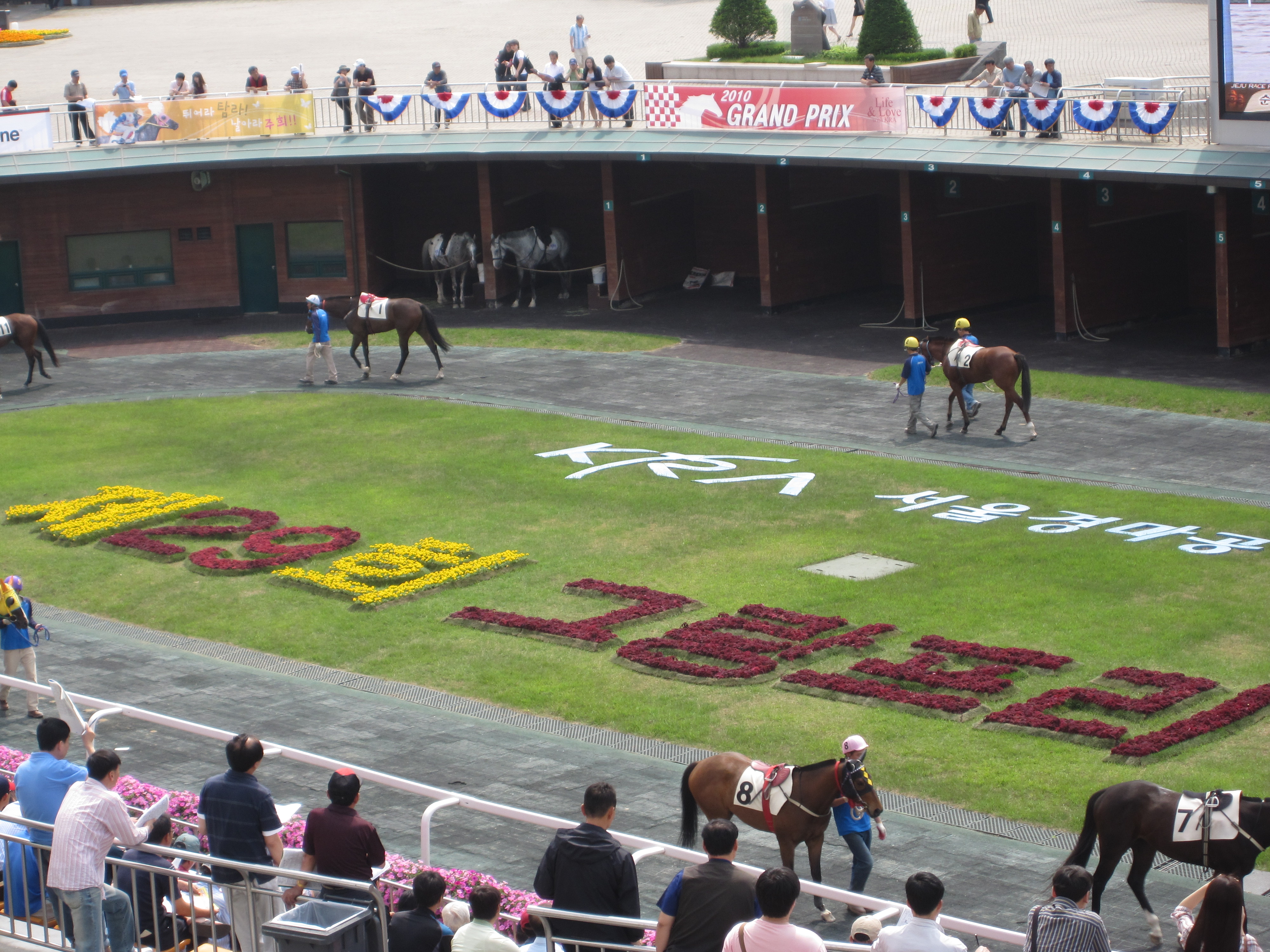
The Real Thing: It's Grand Prix Time

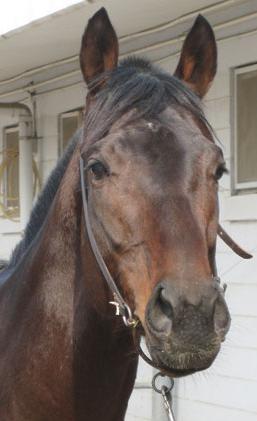
If Dongbanui Gangja can win, he will become the first ever horse to claim three Grand Prix. However, he has it all to do. The young upstart, Tough Win has beaten him twice and, in his nine starts to date, has shown no inclination that he knows how to lose.

Then there is the southern challenge. Busan sends seven of the twelve entrants. Chief among them is Dangdae Bulpae. The three year-old has already won twice in the capital, claiming the Minister’s and President’s Cups in dominant style. If he could upset the favourites on Sunday, it would be a massive boost for the Korean breeding industry. Joining him on the trip up the Gyeongbu Expressway is Mister Park. The gelding has won his last ten races and is not coming to Seoul for the weather. Likewise Yeonseung Daero will be there. He pushed Tough Win all the way in the Busan Metropolitan and will be sure to do the same on Sunday.
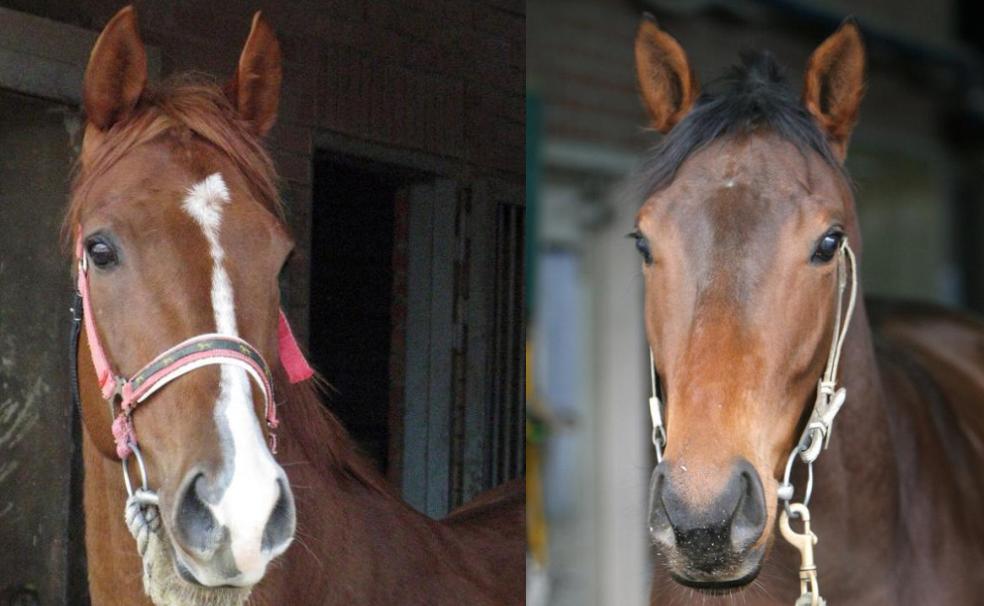
Face Off! Again. Dongbanui Gangja vs Tough Win

It is arguably the most anticipated race in Korean history. Certainly this correspondent cannot remember a race where no matter which of the twelve entrants win, there is a special story to tell. Which story we’ll be telling come Sunday evening is anybody’s guess. Here’s a full list of runners and riders (Name/Country/Age/Sex/Weight/Race Record/Jockey:

Grand Prix Stakes (KOR.GI) – Seoul Race Park – December 12, 2010 – 17:00

1. Mister Park (KOR) [Ecton Park – Formal Deal (Formal Gold)] 3-G-51kg (11/10/0/1) – You Hyun Myung

A winner in all but his first outing, he’s won five times at class 1. Has managed to avoid the very best and has not taken on imported horses before, but he does hold a five-length win over 2009 Minister’s Cup winner Namdo Jeap.

2. Dongbanui Gangja (USA) [Broken Vow – Maremaid (Storm Bird)] 5-H-58kg (26/17/5/2) – Choi Bum Hyun

Looking to make history with three consecutive Grand Prix. Has been difficult to control as a five-year old but, unlike the others, he is a proven winner at this distance. If he can be kept in a straight line, he will take advantage should Tough Win fail to stay the course.

3. Seonnyang Yongsa (AUS) [Catbird – Silicon Glory (Cure The Blues)] 5-G-58kg (27/10/7/4) – Jo Sung Gon

Jo Sung Gon’s choice to ride this one instead of Dangdae Bulpae isn’t one to please the romantics. The realists though would see he has a point. A proven winner at longer distances, he had an off-day when beaten by a number of this field in the Busan Metropolitan in July.

4. Jumong (USA) [Johar – Foreign Aid (Danzig)] 3-C-55kg (14/5/3/1) – Jo In Kwen

Former Grand Prix winner Bally Brae was invited but won’t be running. However, his half-brother will be. Jumong will be an outsider here but the three-year old already has a class 1 victory to his name and looks set to improve even more.

5. Gunham (NZ) [Anziyan – Kaapture The Heart (Kaapstad)] 8-G-58kg (43/10/6/4) – Kim Dong Young

One of the Grand Old Men of Busan, Gunham has had an up and down career but roared back into the winner’s circle last month beating a host of his youngers – and supposed betters. He’ll be an outsider but deserves to cap his career with a shot at the biggest race of all.

6. Yeonseung Daero (KOR) [Creek Cat – Sensationalkris (Cryptoclearance)] 4-C-54kg (26/11/5/3) – Choi Si Dae

If he had timid connections, Yeonseung Daero would have a much better win rate. Instead, his owners have been sportsmen and have never hesitated to run him against the best opposition available instead of restricting him to face fellow Korean bred runners. He got closer than any horse ever has to Tough Win all the way in the Busan Metropolitan and was second to Dangdae Bulpae in the President’s Cup. This horse is a battler.

7. Global Champ (AUS) [Charge Forward – Amarocco (Brocco)] 4-C-58kg (20/4/3/4) – Mun Jung Won

An improver but has never won over seven furlongs and difficult to see him troubling the placings here.

8. Dangdae Bulpae (KOR) [Biwa Shinseiki – Indeed My Dear (Alydeed)] 3-C-51kg (12/9/0/1) – Jo Chang Wook

Cheonnyeon Daero may have won the Derby but Dangdae Bulpae is the outstanding three-year old Korean colt of 2010. His Minister’s Cup win was good but his President’s Cup win superb. He comes back to Seoul in search of a hat-trick. It would be unlikely but he has the talent to pull off something special

9. Purely Spontaneus (USA) [Pure Precision – Marquet Order (Marquetry)] 4-G-58kg (22/9/2/1) – Lim Sung Sil

Has had a very impressive four-year old season. Will need to run the race of his life here but cannot be discounted from a place finish.

10. Tough Win (USA) [Yonaguska – Maggie May’s Sword (Sword Dance)] 3-G-55kg (9/9/0/0) – Cho Kyoung Ho

The one to beat in that he never actually has been beaten. The one question is will he stay the 2300 metres? While his first win over Dongbnaui Gangja was marred by the latter’s manners, the second was decisive. Yeonseung Daero got very close to him in Busan though and that extra distance is all that stands between Tough Win and, at the age of three, already being talked about among the greats of Korean racing.

11. Larrycat (USA) [Fantasticat – Tiger In My Tank (Tank)] 3-G-55kg (14/6/3/3) – Park Tae Jong

A pair of good wins in the autumn sandwiching third place behind Tough Win and Dongbanui Gangja in the KRA Cup Classic made him an obvious starter here. Difficult to see him winning but could well make a nuisance of himself at the business end of the race.

12. Cheonjidolpung (USA) [Tactical Cat – Luminate (A.P. Indy)] 5-G-58kg (26/5/0/4) – Boo Min Ho

The friends & relatives vote – and the likes of Cheonnyeon Daero staying home – has got this one in. A good, solid competitor, but out of his depth in this company.

* The Grand Prix is the highlight of three days of racing on the peninsula this weekend. Here’s what’s happening when and where:

Friday December 10

Busan Race Park: 10 races from 12:00 to 18:00
Jeju Race Park: 10 races from 13:00 to 17:30

Saturday December 11

Seoul Race Park: 12 races from 11:20 to 17:40
Jeju Race Park: 10 races from 12:10 to 17:40

Sunday December 12

Seoul Race Park: 11 races from 11:20 to 18:10
Busan Race Park: 6 races from 12:40 to 16:30
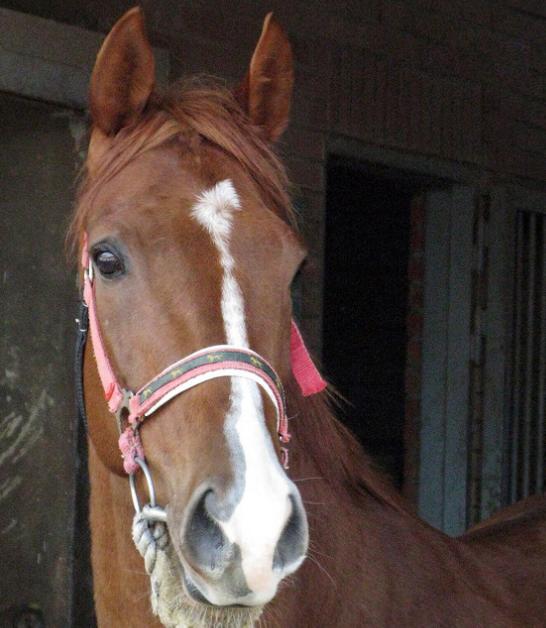
Twenty-Nine Years of the Grand Prix

While other races may carry more prize money, in terms of honour and prestige, the Grand Prix Stakes is second to none in Korea. It’s a race that has had movies named after it and is, perhaps, the only domestic horse race to register in the national consciousness.

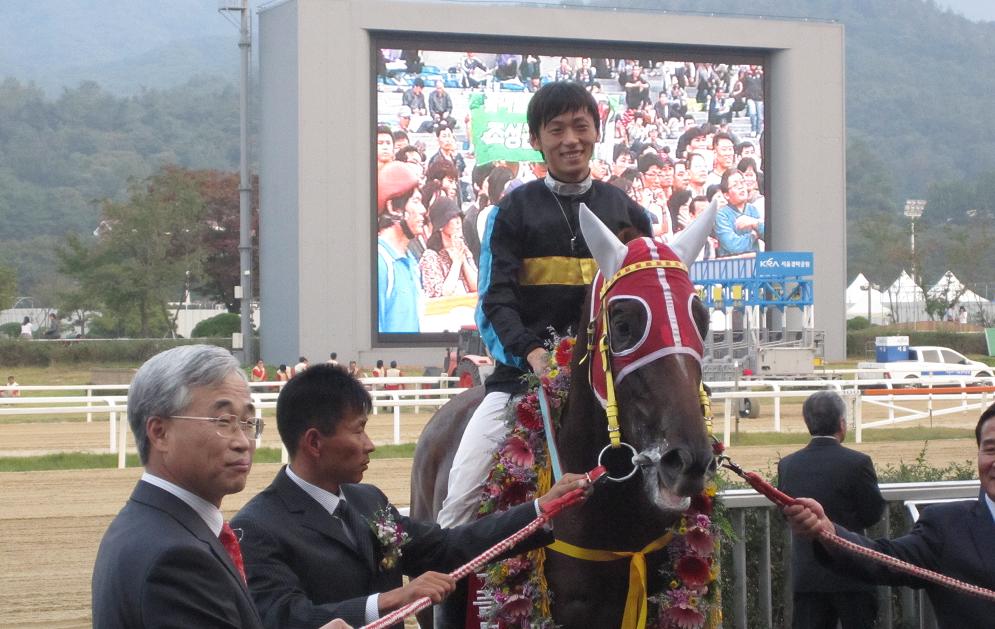
Double Grand Prix Winner: Dongbanui Gangja

Sunday sees the 29th edition of the race. It’s young in international terms, but in a country where the private ownership of racehorses – and therefore prize money and big Stakes races – go back less than two decades, it is positively venerable. With race fans invited to vote on which horses they want to see in the starting gate, it is the undisputed Championship race in Korea. There is no question of the best horses trying to avoid each other as there is nowhere else to go. In the Grand Prix, the best face the best.

This is because whereas the Classics are restricted to Korean bred entrants, the Grand Prix is open to all. Indeed in the previous 28 editions, home-bred horses have ended up in the winner’s circle just three times. Fillies or mares have won the race five times with Ka Shock Do taking back-to-back wins in 1990 and 1991.

The origin of the winners also shows the change in influence on Korean racing. Throughout the eighties and nineties, the vast majority of horses imported to Korea were from the Southern Hemisphere. This is reflected by Australian or New Zealand breds winning thirteen of the first sixteen runnings, compared with just one American. Since the turn of the century, the majority of imports have come from the USA and American breds have won six out of the last seven editions.

As recently as 1999, a non-thoroughbred was triumphant. Saegangja was by the established sire Fiercely, however, his dam Chuk Je, was not in the studbook. That won’t happen again as year on year, Korean racing gradually becomes more mature.

Dongbanui Gangja already shares the record for most Grand Prix wins with two. On Sunday he has the chance to make it three, thereby going ahead of Ka Shock Do and the great Po Gyeong Seon. He’s got a massive task on his hands to prevent a new name being added to the list of horses who, for one year at least, can claim to have been the undisputed best.

2009: Dongbanui Gangja (USA) [Broken Vow – Maremaid (Storm Bird)]
2008: Dongbanui Gangja (USA) [Broken Vow – Maremaid (Storm Bird)]
2007: Bally Brae (USA) [Yarrow Brae – Political Bluff (Unaccounted For)] – Also has two second places to his name, in 2006 and 2008.
2006: Flying Cat (KOR) [Western Cat – Flying Wood (Tapping Wood)]
2005: Subsidy (USA) [Mr. Prospector – Foreign Aid (Danzig)]
2004: Value Play (USA) [Mt. Livermore – Return Of Mom (Deputy Minister)]
2003: Tempest West (USA) [Silent Tempest – Westabout (Gone West)]
2002: Bohamian Butler (USA) [Patton – Circus Princess (Forli)]
2001: Tahamkke (NZ) [Dance Floor – Cantango (Danzatore)]- has gone on to become a moderately successful sire in Korea
2000: Cheolgeoun Party (KOR) [Big Sur – Party Paint (Acaroid)] – The only Korean bred filly to win.
1999: Saegangja (KOR) [Fiercely – Chuk Je] (non-thoroughbred)
1998: Sin Se Dae (AUS) [Avon Valley – Meroo Star (Starboard Buoy)]
1997: P’Ulgeurim (NZ) [Crested Wave – Evocative (Sea Anchor)]
1996: Hula-Mingo (NZ) [Broadway Aly – Zamatina (Zamazaan)]
1995: Dae Kyeun (AUS) [Northern Regent – Romantic Evening (Sunset Hue)]
1994: Ji Goo Ryeok (AUS) [Pine Circle – Perfect Choice (Lunchtime)] – The first year prize-money was awarded, Ji Goo Ryeok’s connections took home 50 Million won. This year’s winner will receive 212 Million, the same as last year but slightly down on 2008. The Korean Derby is worth in excess of 250 Million to the winner.
1993: Gi Peun So Sik (NZ) [Bolak – Belserena (Serenader)]
1992: Chun Pung (NZ) [Coral Reef – Little Jo] (non-thorougbred)
1991: Ka Shock Do (NZ) [Engagement – Nursery Rhyme (Namnan)]- With her second , she became arguably the greatest filly to run in Korea. In all, she won twelve of her thirteen starts.
1990: Ka Shock Do (NZ) [Engagement – Nursery Rhyme (Namnan)]
1989: Cha Dol (USA) [Mr Redoy – Honest’N Do Right]
1988: Wang Bang Wool (AUS) [Moon Sammy – Aqua Nymph (Crepone)]
1987: Cheong Ha (AUS) [Suliman – Pigalle Wonder (Exalt)]
1986: Po Gyeong Seon (NZ) [Danseur Etoile – Leonotis (Lionhearted)] – with twenty wins from twenty-five starts, he is, along with Saegangja and J.S. Hold one of the three
1985: Po Gyeong Seon (NZ) [Danseur Etoile – Leonotis (Lionhearted)]

Choi Bum Hyun will be bidding to become the first jockey to win the race twice. While the current top four of Choi, Moon Se Young, Cho Kyoung Ho and Park Tae Jong have all won the race once, Lee Sung Il, who retired in 2005 is the only other jockey to have won twice.

* Although this is the 29th running of the Grand Prix, Korean racing records officially only go back to 1985.

“Annuity Lottery” Set For Korea

Racing might be being less than gently encouraged to reduce its revenues – because gambling is bad – but the government is desperately trying to breathe new life into one of its myriad gambling rip-offs “lotteries”. Because gambling blindly on numbers is obviously good for society.

Happy Punting! Good gambling, not that nasty racetrack stuff

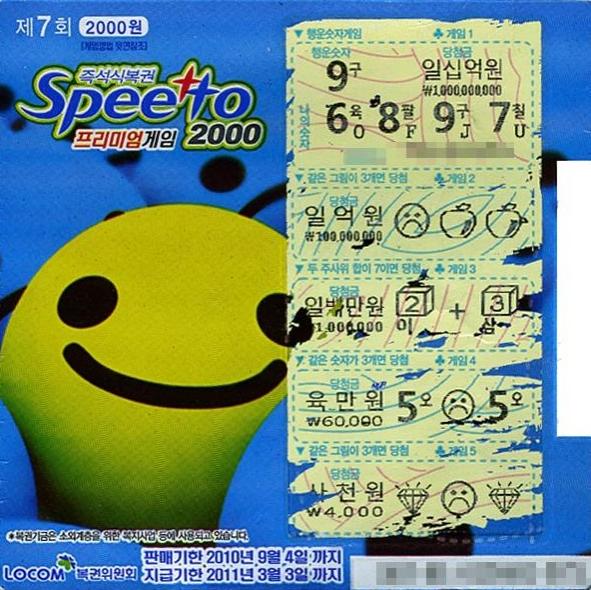
According to the Korea Times, lottery revenues have fallen from 3.8 Trillion won in 2003 to 2.4 Trillion won last year as punter move to more sophisticated online – and illegal – gambling platforms. To try to counter this, one government-run lottery, the scratchcard based “Speetto 2000” is offering players a salary instead of a lump-sum. While a familiar concept around the world, where most lotteries offer winners the chance to receive their prizes in installments, this is a first for Korea.

Marketed as a “Pension” in a society where the idea of a private pension is just taking off, starting next April, Speetto 2000 is offering a first prize of 5 Million won (about $4,6000) won payable every month for twenty years. Previously known for a 2006 incident where they mistakenly printed too many jackpot tickets, Speetto is also abandoning smaller cash prizes for runners-up. Instead, those who score a near-miss will receive an electric car. Which they can use to drive to the track.

Mockery aside, Gyongmaman will be purchasing his ticket come next April. 5 Million won is a pretty healthy pot to start handicapping the weekend’s form with.

Corrupt Five Banned From Racing

Three Korean jockeys and two trainers have been banned from the sport for illegally passing on information to betting rings.

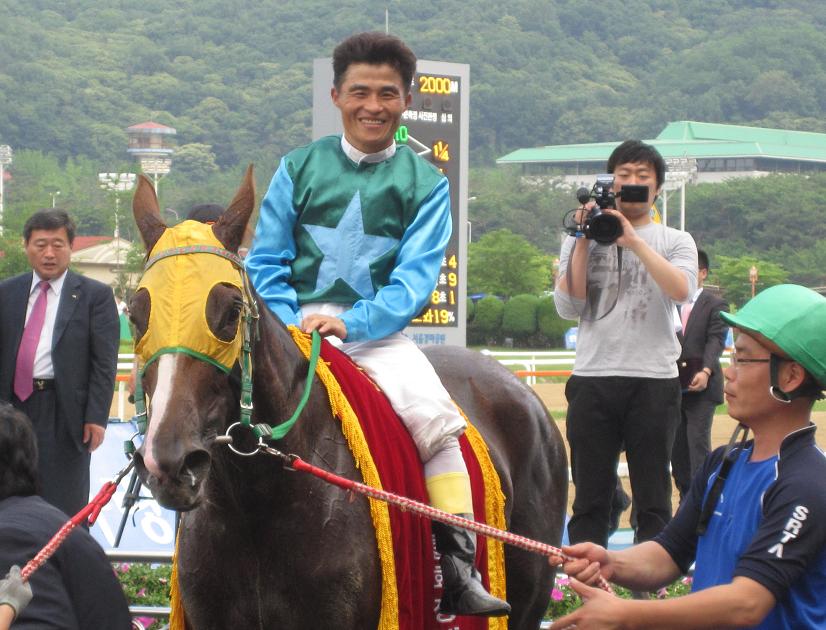
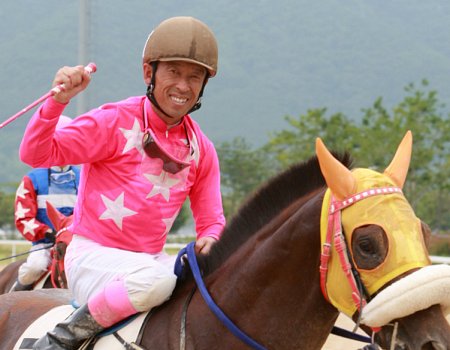
No More Smiles: Kim Ok Sung has lost his license

All of the five, who were based at Seoul Race Park, had their licenses revoked last week after the conclusion of an investigation by the KRA’s Finance Committee. Among them, the most well-known is veteran jockey Kim Ok Sung. Nicknamed the “Smile Jockey” because of his ever-present Cheshire-cat grin, Kim scored 443 winners from 5826 rides during his career which spanned 23 years from 1987. His biggest win was in the 1996 Grand Prix Stakes on Hula Mingo (Broadway Aly). He also won the JRA Trophy and the Donga-Ilbo and Segye Ilbo Cups. Only this year, he recorded a Group victory on Serendipper in the Owner’s Cup.

Also involved was Lee Sung Hwan, who turned professional in 2001. He won 74 races from 1434 mounts. Meanwhile, Lee Jung Sun, who originally had his license revoked in April had the decision confirmed.

Kim Hye Sung recently took up a trainer’s license after retiring as a jockey. In the saddle, he qualified on the same day as Kim Ok Sung and scored 477 winners from 4708 rides. He won the Korean Oaks on Espass (Psychobabble) in 2001 and partnered the great Kwaedo Nanma (Didyme) to five Stakes victories between 2001 and 2003.

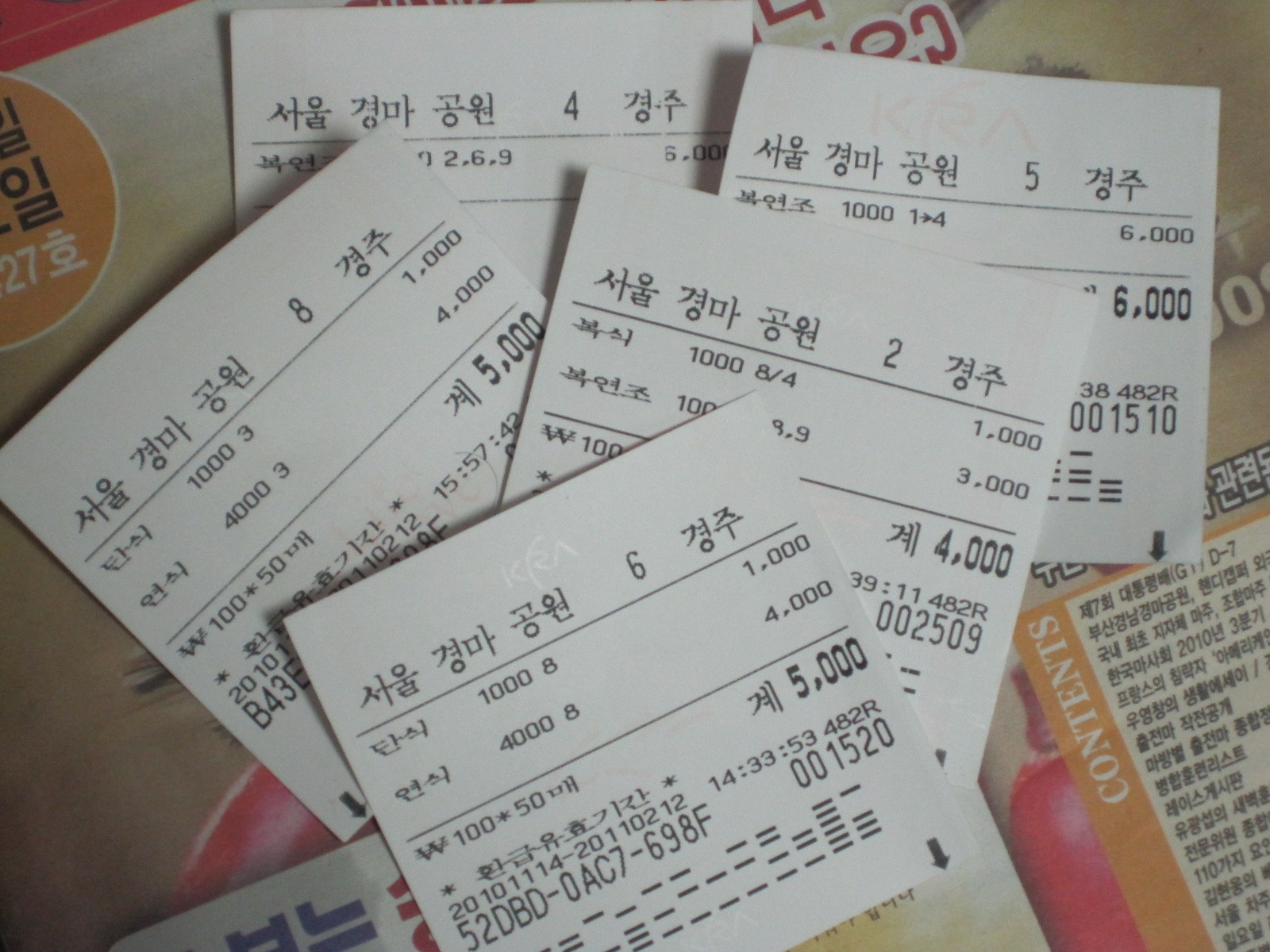
Five Losing Tickets - Five Kicked Out of Racing

The other trainer was veteran handler Kang Seung Yeoul. Kang saddled 5500 runners returning 512 winners. His biggest win was with Tourney’s Mountain (Lost Mountain) in the 2005 Ilgan Sports.

Corruption in racing is taken extremely seriously in Korea where, with a ferocious regulator and negative public sentiment towards gambling, it is vital that the industry is seen to be clean and fair. Equal access to information for all punters is important. While many form-guides are available for purchase by racegoers, they contain no information that isn’t freely available to everyone on the KRA’s Studbook site including detailed past-performances and workout records.

Jockeys, trainers, grooms and KRA staff are subject to very strict rules and even minor infractions are punished severely – especially if it relates to contact with illegal gaming houses. These criminally run organisations offer higher stakes and lower take-outs than legal betting with the KRA and are thought to be on the rise, especially in rural areas, since – to protect the public from gambling – the National Gaming Control Commission managed to close down the KRA’s internet and telephone betting services last year.

Han Sang Kyu, Classic Winning Jockey, 1978-2010

There was sad news from Busan this week as jockey Han Sang Kyu passed away on Monday. The thirty-two year old never regained consciousness after being involved in a car accident in the city last Thursday.

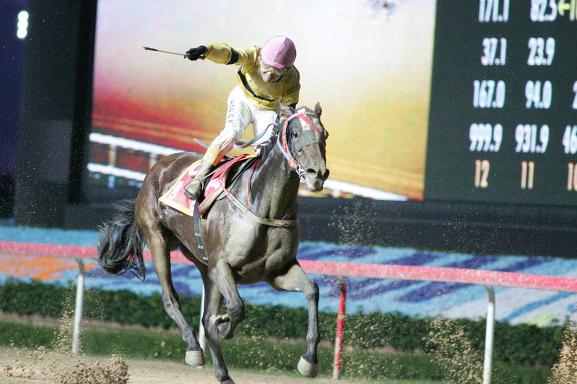
Han Sang Kyu and Pangpang win the 2009 Korean Oaks (KRA)

Han Sang Kyu turned professional in September 2002, in the same graduating class as, among others, You Hyun Myung, Gu Min Sung and Lee Ae Li. Initially riding at Seoul Race Park, he joined the group of riders relocating to the new track at Busan upon its opening in 2005.

During his career, Han rode 129 winners from 1515 rides. He achieved his first major race win in 2008, when he partnered outsider Wonder Love to victory in that year’s Gyeongnam Governor’s Cup. The following year would see his biggest triumph as on Pangpang, he reeled in and overhauled the odds-on favourite Sangseung Ilro in the final furlong to win the Korean Oaks

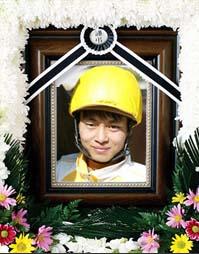
Han Sang Kyu: 1978-2010

Han Sang Kyu had recently been appointed retained jockey to trainer Joe Murphy. His first rides for his new employer were set for the day after his accident. As it was, his last day of racing was October 31.

A funeral service was held for Han at the KRA’s Busan auditorium on Wednesday. In attendance were his family including his wife, sister and parents. Well liked in the Korean racing community, many jockeys, trainers and officials from both Busan and Seoul were also there.

Han Sang Kyu was married this spring and is survived by his wife, who is expecting their first child.

Here is his 2009 Oaks win on Pangpang:

Pictures from KRA via Chulgigi

It’s Seoul vs Busan In President’s Cup

Weekend Preview: Dangdae Bulpae / Cheonnyeon Daero / Triple Seven

Seoul is locked down for the G20 summit, but it’s G1 that we’re interested in here and the G1 President’s Cup, the biggest race on the calendar restricted to Korean-bred horses which will be run at Seoul Race Park on Sunday.

Favourite: Dangdae Bulpae

It brings together not only the year’s top three-year olds to face their seniors but also pits Seoul horses against their counterparts from Busan for the sixth time this year. Seoul leads three to two but it is Busan who will be favoured to come away on top on Sunday.

Dangdae Bulpae heads the field. Third in the Derby but a runaway winner of the Minister’s Cup, he’s already beaten older horses in the Gyeongnam Governer’s Cup. Cheonnyeon Daero won the Derby, but was a distant second in the Minister’s Cup and will have to find plenty more to win here. Third in the Minister’s Cup was Glory Yeonggwang, the surprise winner of the Gold Circle Trophy and improving with every race – he’ll have “Mr Pink” Toshio Uchida riding him on Sunday.

All to do: Cheonnyeon Daero

Three older horses also come up from Busan. Yeonseung Daero has been a frustrating talent over the past two years, but he ran Tough Win a very close second in the Busan Metropolitan and on his day, can beat anyway. Golden Appeal has only lost to Dangdae Bulpae in his last four outings while Lucky Dancer is likewise in good form.

For the home team, Ttukseom Cup winner Triple Seven is the biggest name, however, the five year old has been in indifferent form recently and was beaten last month by another runner, Natural Guy, who himself will need to improve a lot to have a chance to win this. Geumgani is improving, with three wins out of his last four, including the Munhwa Ilbo Cup, while Suseong TX was an impressive winner of a class 1 handicap last month. Holy Dreamer, Money Teukgeup, Baengnyeonbong and Hongji complete a field where none can be ruled out entirely.

Home Team Hope: Triple Seven

It’s set to be a great race and will be the culmination of a weekend of racing on the peninsula which begins at Busan and Jeju on Friday and moves to the capital on Saturday before both Seoul and Busan stage meetings on Sunday.

Six jockeys from Busan will be in the capital to ride in the President’s Cup. Jo Sung Gon will be joined by Lim Sung Sil, Park Geum Man, Chae Gyu Jun, Choi Si Dae and Toshio Uchida. Busan is currently mourning the death of jockey Han Sang Kyu in a car accident earlier this week.

Here’s a full list of runners and riders in the President’s Cup:

President’s Cup (KOR.GI) – Seoul Race Park – 2000M – November 14, 2010, 17:00

1. Geumgangi (SEOUL) C (16/5/4/1) – Cho Kyoung Ho
2. Lucky Dancer (BUSAN) H (23/10/3/2) – Chae Gyu Jun
3. Golden Appeal (BUSAN) C (14/9/3/1) – Lim Sung Sil
4. Glory Yeonggwang (BUSAN) C (15/4/2/4) – Toshio Uchida
5. Baengnyeonbong (SEOUL) C (21/7/2/7) – Oh Kyoung Hoan
6. Dangdae Bulpae (BUSAN) C (11/8/0/1) – Jo Sung Gon
7. Cheonnyeon Daero (BUSAN) C (14/4/6/2) – Park Geum Man
8. Triple Seven (SEOUL) H (30/10/4/6) – Choi Bum Hyun
9. Natural Guy (SEOUL) G (27/5/6/2) – Yoon Tae Hyoug
10. Holy Dreamer (SEOUL) G (15/8/0/1) – Jo In Kwen
11. Yeonseung Daero (BUSAN) C (25/11/4/3) – Choi Si Dae
12. Money Teukgeup (SEOUL) C (21/6/4/4) – Park Tae Jong
13. Hongji (SEOUL) H (35/9/11/4) – Lee Sang Hyeok
14. Suseong TX (SEOUL) H (17/6/3/3) – Moon Se Young

And here’s what’s happening where and when this weekend:

Friday November 12

Busan Race Park: 11 races from 11:30 to 18:00
Jeju Race Park: 10 races from 13:00 to 17:30

Saturday November 13

Seoul Race Park: 12 races from 11:20 to 17:40
Jeju Race Park: 10 races from 12:10 to 17:30

Sunday November 14

Seoul Race Park: 11 races from 11:20 to 18:10
Busan Race Park: 6 races from 12:40 to 16:30
Radioactive Casino Chips

Men Reportedly Planned To Use Geiger Counter to Beat Game!

Not racing related but another insight into the shady world of illegal gambling in Korea which is evidently flourishing. The Joongang Ilbo reports that police in Siheung, Gyeonggi Province (about 30km south of Seoul) have arrested two Vietnamese men after a raid on a farm thought to be used by an illegal gambling ring.

Nothing unusual about that, but the paper goes on to report that the men were found in posession of twelve small pieces of radioactive material. These pieces were to be slipped inside small gambling chips made of paper and used in a “Vietnamese Guessing Game” – the two sides are painted different colours and the men allegedly planned to use a geiger counter to correctly determine which side would be facing up.

The news comes a day after the same paper reported on another Vietnamese gambling ring, this time in North Gyeongsang province. This one was reportedly taking illegal bets on the Vietnamese National Lottery.

* While the only radioactive things at the racecourse this weekend were Gyongmaman’s predictions, on the racing regulatory front, trials of the Electronic Card that the National Gaming Control Commission (NGCC) hopes to make compulsory for all legal gamblers, are underway. An interesting possibility was raised this weekend though in that in order to sweeten the deal for punters, the card would also act as a “mileage card” with bettors potentially getting a 1% rebate on all wagers. As of now, however, it’s pure speculation.

Mr Pink Returns To Busan

Toshio Uchida Draws a Blank on Korean Return

Ever since he left Korea at the very end of 2008, there have been constant whispers that he might return. First he was only going to be away until the end of Spring – “He’s gone to spend his money, but he’ll be back to get some more”, local jockeys muttered darkly in the Busan weighing room. Weeks turned into months and then a year. Still the speculation continued though and today Toshio Uchida “Mr Pink” – friend of the punters – made his return to Busan Race Park twenty-two months after he left.

No wins today but Mr Pink is back (Pic: KRA)

Veteran Japanese jockey Uchida arrived in Korea in May 2008. He quickly proved himself to be a class act in the saddle; able to judge the pace of a race far more effectively than the local riders – the legacy of nearly thirty years of experience in Japan. He quickly became something of a phenomenon at Busan. Throughout the rest of the year, headlines such as “Uchida Lands Five at Busan” and “Uchida Dominates Busan” became a regular Friday night ritual on this blog.

Despite giving his rivals a four-month head start, he raced away with the 2008 Jockey Title at Busan, scoring a total of 69 winners from 311 mounts. Such was his popularity that when he made his only appearance at Seoul Race Park on Minister’s Cup weekend that autumn, the capital’s punters chanted his name and thronged the paddock ten-deep to get a close up view of the man who had suddenly made them pay attention to the Busan simulcast.

Today Uchida had a quiet day. Debuting in race 4 on Joe Murphy’s Beautiful Bogo, he finished last of nine and didn’t get much closer despite a couple of reasonably well-fancied runners among his five rides; fourth place on Cheonman Yeongung being his only money finish.

Uchida is back in Korea on a short-term license. Punters will hope it’s for the long term. He joins a very strong Japanese contingent at the southern track in the shape of Yoshi Aoki and Hitomi Miyashita.

* In the feature race at Busan today, Winning Perfect was the shock 38/1 victor in the feature race. The three-year old colt held off favourite Triple Sinhwa in the ten-furlong handicap. Racing returns to Busan on Sunday when there are six races from 12:40 to 16:30. Uchida has two rides.

Subsidy, Last Son of Mr. Prospector, Retired at 10

Subsidy, Grand Prix winner and Horse Of The Year in Korea in 2005 has been officially retired at the age of 10, his owners confirmed at the weekend. One of the final foals by the late Mr. Prospector, Subsidy [Mr. Prospector – Foreign Aid (Danzig)] was born on March 29, 2000, nine months after the death of his illustrious sire.

Subsidy (KRA)

Subsidy was a late arrival to Korea, not being imported until the age of four. These days, the only horses older than two who arrive here are for breeding purposes and it is almost unheard of for a new arrival to have racing experience. Subsidy, however, was a veteran of 14 races in the US.

He made his debut as a two-year old on November 11, 2002 over 6 furlongs at a sloppy Delaware Park, finishing an encouraging second. He made one more appearance as a two-year old at Aqueduct Racetrack in New York but was a disappointing eighth. Reappearing at Pimlico the following spring, he ran second again. After a couple more outings back at Delaware Park, he was taken to Monmouth, where he scored his first – and only – victory on US soil in a 6 furlong allowance race on July 12, 2003.

At the end of his three-year old season he was sold to Korea. His US racing record was 14 runs with 1 win, 4 seconds and 1 third. In total he won $51,000. Four months after his last US appearance – a claiming race at Philadelphia Park between Christmas and New Year – he debuted in Korea on April 3, 2004 winning at seven furlongs with ease. He did enough throughout the remainder of his four-year old campaign to merit an invite to the season ending Grand Prix in December. It didn’t quite go to plan as he finished sixth. However, he was not done with this race.

2005 was Subsidy’s year. He won the Owner’s Trophy in April and, despite suffering a surprise defeat to Value Play in the KRA Chairman’s Cup the following month, harvested big handicaps throughout the summer and autumn and headed into the Grand Prix as favourite. He didn’t disappoint. Hitting the front as the field turned for home, Subsidy stretched away for a three length win, taking Korean racing’s biggest prize as well as the Horse of the Year award.

By 2006, Bally Brae was on the scene. A year younger than Subsidy, the pair would spend the next three years battling it out in big handicaps. Their connections could have avoided each other in all but the very biggest races but they would regularly meet. In the Grand Prix of that year, neither would win as Flying Cat took the honours with Bally Brae in second and an out-of-sorts Subsidy back in fourth. Only running five times in 2006, Subsidy still picked up three wins. It was Bally Brae though who picked up Horse of the Year.

In early 2007, Subsidy and Bally Brae had their most memorable battle as, despite giving the rest of the field an almost ten-kilo weight advantage, they engaged in a private duel over the last four furlongs, battling each other right up until the line. Subsidy came out on top that day in a race that, given the fondness for both of these horses, will always be special for Korean racing lovers.

However, later that year, Bally Brae would get his own back as he dominated the Grand Prix, beating Subsidy into second by place by four lengths. That Grand Prix goes down as one of the great “what might have beens” for Korean racing. 2007 was the year of J.S. Hold, but the three-year-old Triple Crown winner had already run his last race by the time the Grand Prix came around. Likewise the “white light”, Baekgwang, another star domestic-bred horse was also injured. No-one will ever know if either could have beaten Bally Brae and Subsidy, the two dominant horses of their generation.

By 2008, it was clear that Subsidy’s star was waning. He still managed three wins but, faced with a restrictive weight to carry in the big handicaps, things were getting more difficult. Subsidy’s last win came on September 7, 2008. Second in that race was Dongbanui Gangja. The margin was a nose. By the time of the Grand Prix later that year, Dongbanui Gangja was established as top horse on the peninsula.

Subsidy continued to run sporadically – and finish in the money until what has now been confirmed as his last race, the 2009 Owner’s Trophy. Dongbanui Gangja won that day with Subsidy finishing sixth. Old rival Bally Brae wasn’t there – they had said their goodbyes the previous month as Bally Brae comfortably beat him in a Saturday handicap.

He wasn’t officially retired then. Always sensibly campaigned, his owners had said that so long as he could be competitive and safe, he would run again. In July 2010, he took part in a Friday morning race trial and won easily, re-qualifying him for the real thing. The real return never happened though. Subsidy will be retired to a private farm. One of those few horses in Korea known by name rather than number, the gelding who went from being a mid-week claimer at Philadelphia Park to winning a Grand Prix in front of 80,000 passionate punters and amassing over $1Million in prize money, has earned his retirement.

Seoul Saturday Selections

It’s been a long week. Time for some punting. Here is what Gyongmaman will be losing his money on at Seoul Race Park tomorrow:

Race 1: Domestic-bred Class 6 (D6) 1200M – Dreadful fare to begin with. Of these three-year old fillies, Geumbit (Number 1) has done the least wrong and is worth a bet. Lane Green (12) will be more fancied.

Race 2: D5 1200M – Gate Shine (10) will be odds-on. If you must take him on, do so with Yeast (2).

Let's hope for more of this

Race 3: D6 1000M – A host of unraced two-year olds here. Korean punters like experience and will probably make Nicole Windsor (3), who has underachieved in her four starts, favourite. Of the debut-makers, Huimangpyeongchang (6) and Palgigun (11) take the eye.

Race 4: D6 1000M – More two-year olds in this. Arieon (12) and Huimangdaero (3) have placed before but Misocheonguk (1) is where the value will be.

Race 5: D5 1300M – Sharp Concept (9) is one for one and should still provide plenty of place value as few expect him to handle to increase in trip and class. Should they be correct, Eunbit Cheonsa (7) is the one to win.

Race 6: Foreign-bred Class 4 (F4) 1000M – The highly anticpated debut of Mass Media (1). He has the same name as his sire (his original name was Mass Media’s Tea). Should he fail to live up to expectations, Imperial Girl (3) could be the one to capitalise.

Race 7: D4 1700M – Jeongsang Cheonha (1) should have too much for this field. Twenty-one race maiden Yongwangseong (8) could be value for a place.

Race 8: D4 1800M – Small field of just seven means there’s no place value. None of these inspire much confidence although Isang (7) is interesting and Mulmangcho (3) should have a chance at a decent price.

Race 9: D3 1700M – Very competitve. A winner at this class and distance but coming off a two month lay-off and with an unfashionable jockey on board, Power Of Money (3) will offer generous odds.

Race 10: D2 1200M – The Gwacheon Mayor’s Cup – It will be a big surprise if Magic Party (2) failed to land this championship race for two-year olds. You’ll not get rich betting on her though. Smyth (4) will be second favourite for good reason.

Race 11: D2 1900M – Dongbang Rose (5) skipped last week’s Minister’s Cup for this. She’d better win it.

Race 12: F3 1400M – If you’re still in the game by this time, it’s probably a good idea to put your money back in your pocket. Moonhaksan (7) should win this but he’ll be odds-on.

* Racing at Seoul gets underway at 11:20 with the last at 17:50. There is also racing at Jeju Island with nine races from 12:10 to 17:20. Two races from Jeju will be simulcasted to Seoul.