News

Remembering Fausto Durso

The Korean racing community was one of several around the world to be saddened to learn of the death of jockey Fausto Durso in Brazil on Saturday.

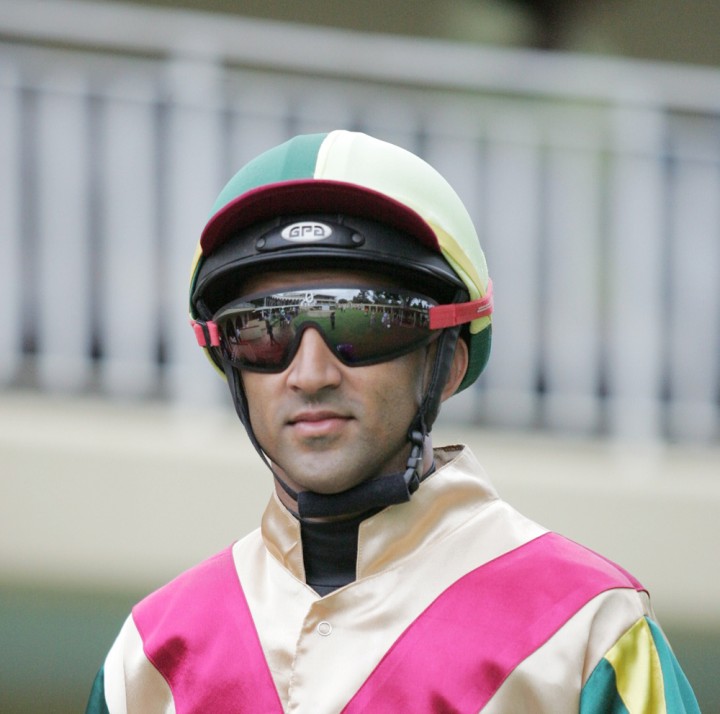
Fausto Durso: 1974-2015

Fausto Durso: 1974-2015

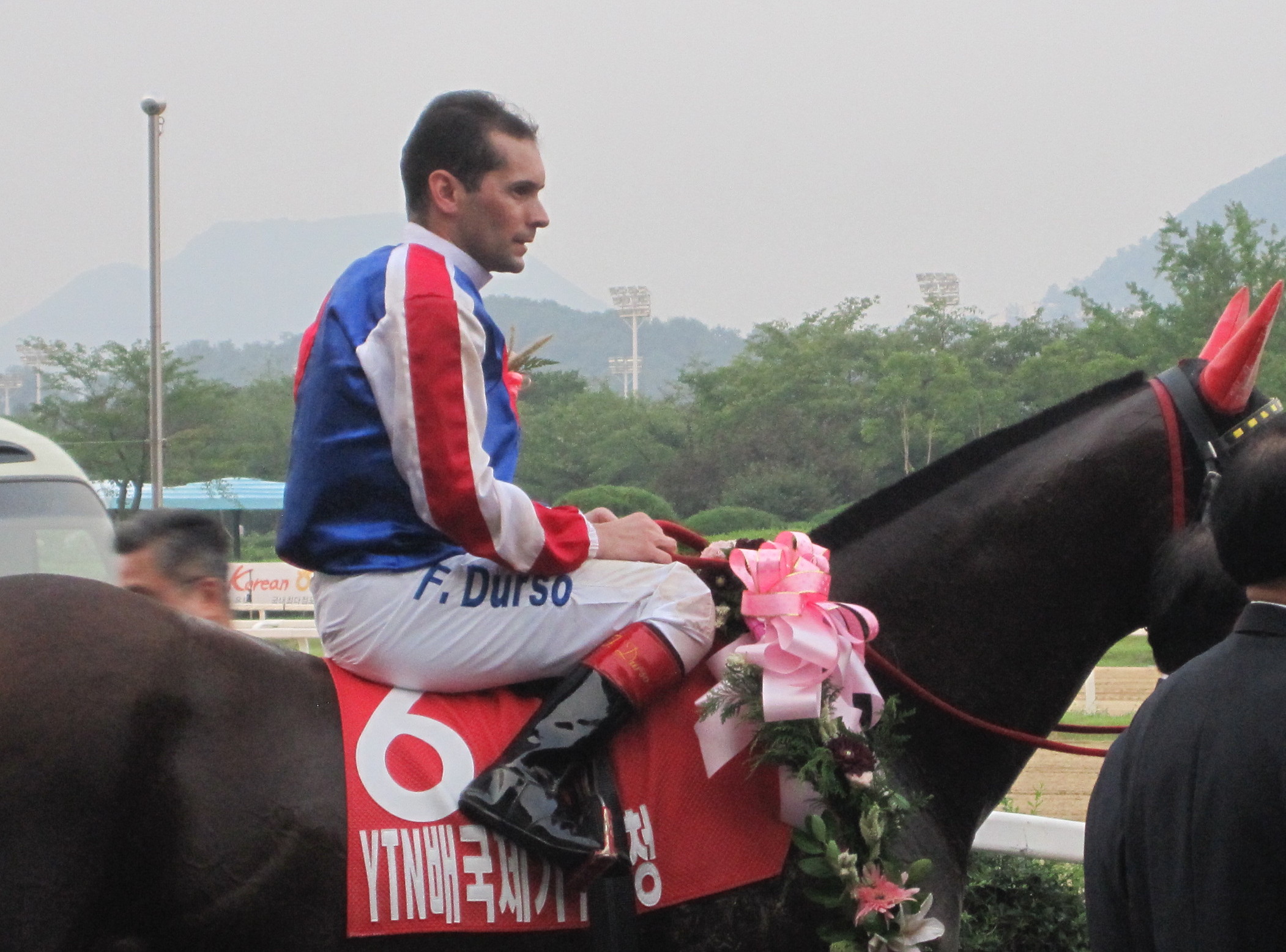
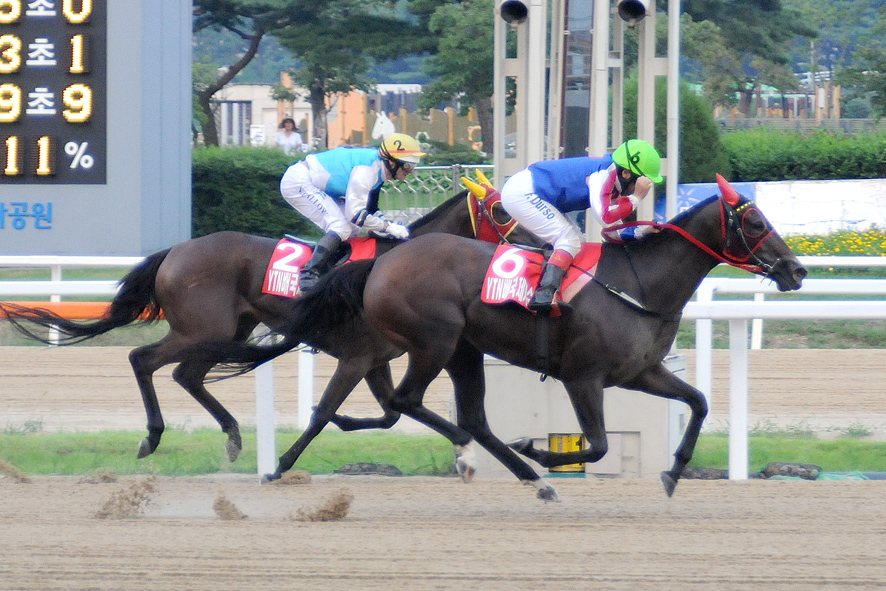
Durso first came to Korea to ride in the Seoul International Jockey Challenge in August 2013, winning the feature race of the event, the YTN Cup, on Choichoro. He immediately applied for a short-term license, which was approved. He returned to Korea in October that year and rode five more winners during a three-month stay over the winter of 2013-2014.

Having turned professional aged 18 and ridden 700 winners in his native Brazil, Fausto Durso moved to Asia and competed in the 2013 Jockey Challenge as a representative of the Macau Jockey Club.

It was in that jurisdiction where he had his biggest successes, riding 600 winners and winning many of the biggest races as well as twice being crowned champion jockey. Durso also had stints in Dubai, Malaysia and most recently, in Mauritius.

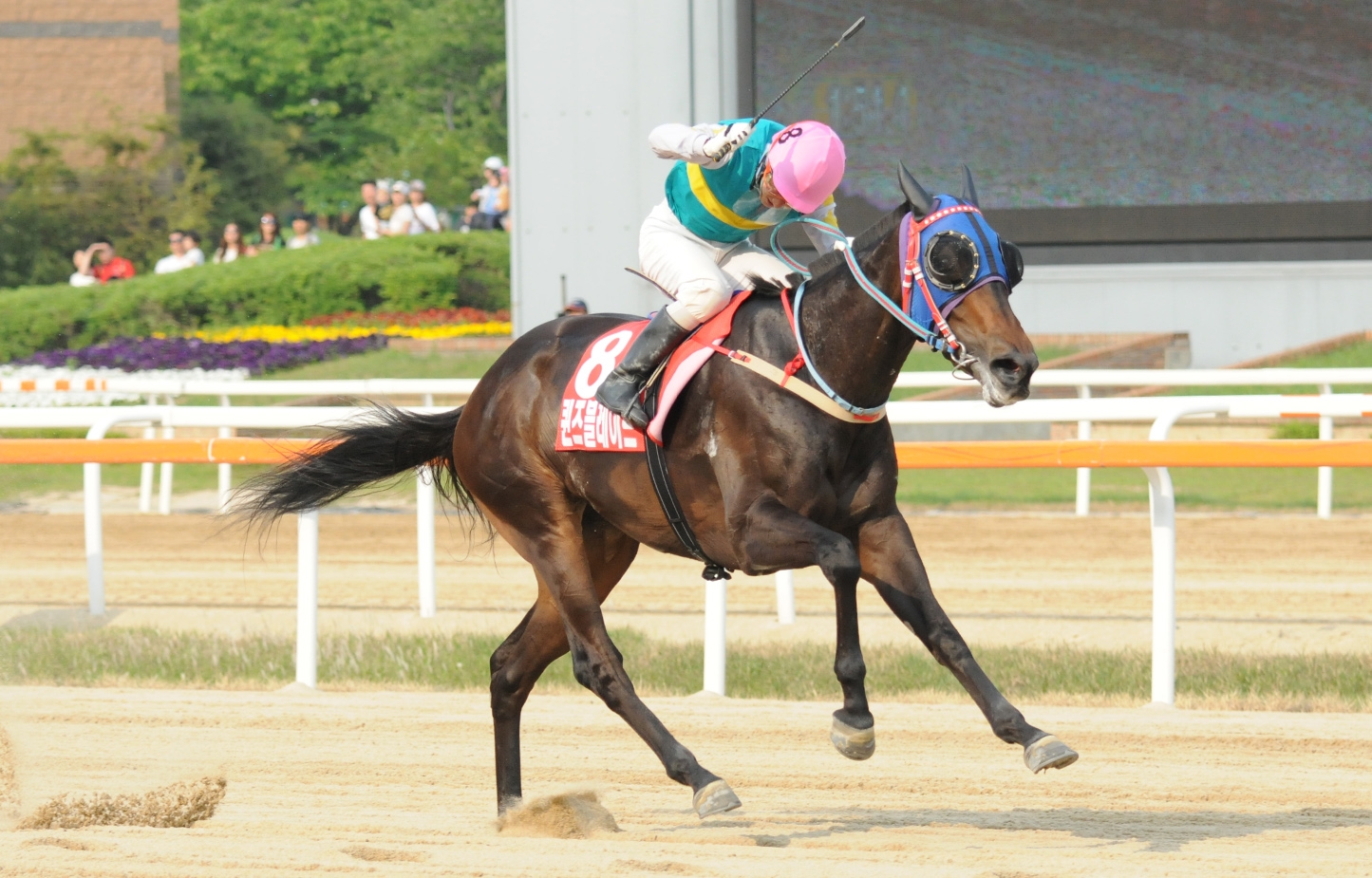
Fausto Durso winning the YTN Cup at Seoul Racecourse in 2013 (Pic: Ross Holburt)

Fausto Durso winning the YTN Cup at Seoul Racecourse in 2013 (Pic: Ross Holburt)

Like many foreign riders who come to Seoul, Durso didn’t get as many opportunities as he would have liked but regularly made the most of what he had to work with, achieving a very high place percentage over his 165 rides.

Fausto Durso is remembered by those who knew him here as being friendly, hard-working and a very talented jockey.

According to local media reports, Durso died following an altercation outside his parents’ house in Senador Firmino. He was 40 years old. Thoughts are with his family and friends.

The JRA is Coming! Ttukseom Cup Attracts Two Raiders From Japan’s Premier Racing Circuit

Primary nominations were made this Friday for June’s Ttukseom Cup and the stand-out names among the 22 early entries are two Japanese-trained horses. If they run, they will be the first horses from the Japan Racing Association to run in Korea and also become the first overseas-trained horses to run in a regular Korean Open Stakes race.

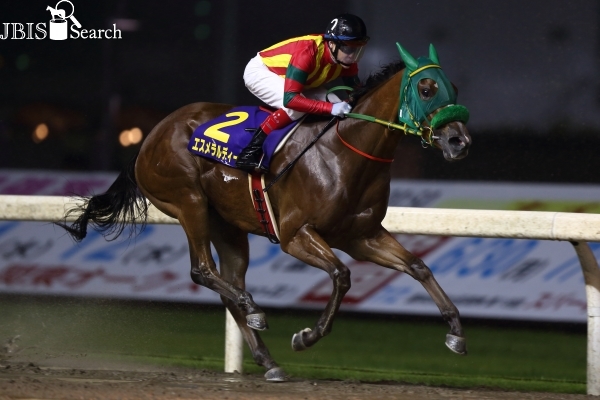
Esmeraldina

Esmeraldina

Four Korean Stakes races have this year been designated as open to overseas-trained runners this year and it’s the two from Japan who have stepped up to take on the challenge.

The Ttukseom Cup, which will take place on Sunday June 7, is a 1400M race open to fillies and mares and is the first leg of the “Queens’ Tour”. US-bred Esmeraldina and Japan-bred Robe de Soie are both experienced runners in the JRA.

Esmeraldina [Harlan’s Holiday – Tasha’s Star (Spanish Steps)] is a four-year-old who has won three of her eight races to date. She won her only start as a 2-year-old at Tokyo Racecourse in November of 2013 before starting 2014 successfully with a victory at Nakayama before finishing 3rd in the Group 2 Hochi Hai Fillies’ Revue, a Japanese 1000 Guineas Trial, at Hanshin last March.

Her biggest prize was earned through victory in an NAR/JRA Exchange race at Kawasaki, the Kanto Oaks, in June with Craig Williams in the saddle. Since then she’s raced just three times without success, most recently at Nakayama on April 19 this year. Her best (and only) time recorded over the Ttukseom Cup distance of 1400M is 1:22.5 – inside El Padrino’s Seoul Racecourse track record – and was recorded on turf.

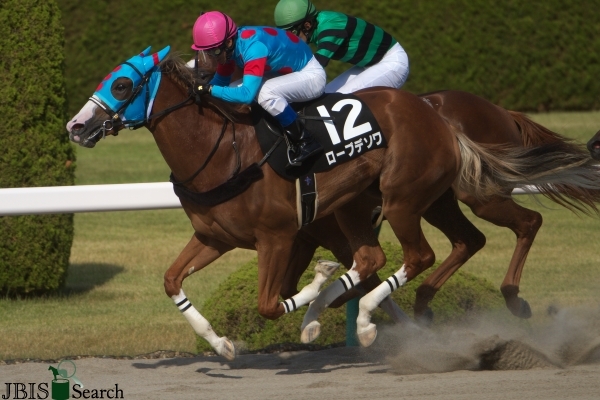
Robe de Soie

Robe de Soie

Robe de Soie [Special Week – Velvet Robe (Gone West)] is also a four-year-old. She has four wins from nine career starts. A winner on her debut at Chukyo, she went on to win the Yamaboushi Sho at Hanshin in September 2013. As a three-year-old, she was an also-ran behind Esmeraldina in the Kanto Oaks but would finish the year with back-to-back wins at Hanshin and Kyoto.

She was 7th on her most recent start at Hanshin on April 4. Her best time over 1400M is 1:23.3 on dirt. A dedicated sprinter to the all-rounder Esmeraldina, Robe de Soie comes in here with the more imposing recent form while Esmeraldina has won far more prize-money over her career. It is likely we will see some familiar jockeys riding both of them.

And it’s prize-money that they come here looking for and that is what makes this race so significant. The Korea/Japan Goodwill Cup in 2013 and last year’s Asia Challenge Cup were both invitational races meaning that the hosts picked up the bill. Win or lose, they couldn’t actually lose. In an Open race that isn’t the case and connections will be paying a substantial proportion of the costs involved in bringing their horses to the race.

The Asia Challenge Cup, which will also feature horses from Singapore and possibly Dubai, remains an invitational and on that weekend in August there will be two further races open to overseas-trained runners; the Singapore Turf Club Trophy and the KRA Cup Classic, as the internationalization program for Korean racing continues to gather momentum.

Korean connections have decided to meet the challenge head-on. In Primary nominations for the Ttukseom Cup, there were a total of 20 domestic entries; 10 from Busan and 10 from Seoul and includes most of the best fillies and mares in the country. We’ll have much more on the race over the next few weeks.

Trainer Banned For One Year For Saddle Mix-Up That Led To Unrest

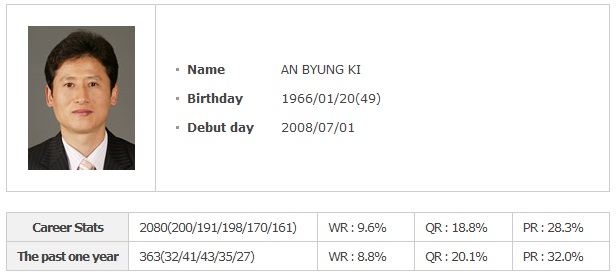
Seoul trainer An Byung Ki, whose horse Argo Asset was disqualified in March after weighing-in more than two kilos light, sparking off a near-riot at the racecourse, has had his license suspended for one year.

An Byung Ki won't be adding to these figures for at least a year

An Byung Ki won’t be adding to these figures for at least a year

An had horses entered in consecutive races just 25 minutes apart, circumstances in which weighing out is done prior to both races. Some time after the jockey sat on the scales, the wrong saddle found its way onto the wrong horse.

It is deemed to be the trainer’s responsibility to make sure the right saddle is on the right horse and therefore An was found ultimately responsible. Argo Asset won the race, carrying lighter than he should have and the ultimate disqualification caused unrest that resulted in two races being cancelled and the KRA ultimately paying out on the disqualified horse.

An Byung Ki’s stable has now been closed and his horses are being dispersed to other trainers. An is a fromer jockey who took up a training license in 2008 and has trained 200 winners from 2080 starters.

A week after the Argo Asset incident, Busan punters tried something similar when the saddle slipped on favourite Yeongung Bolt. This time the Authority did not budge and simply cancelled the remaining two races on the card. Seoul punters did not join in with the action that day.

image

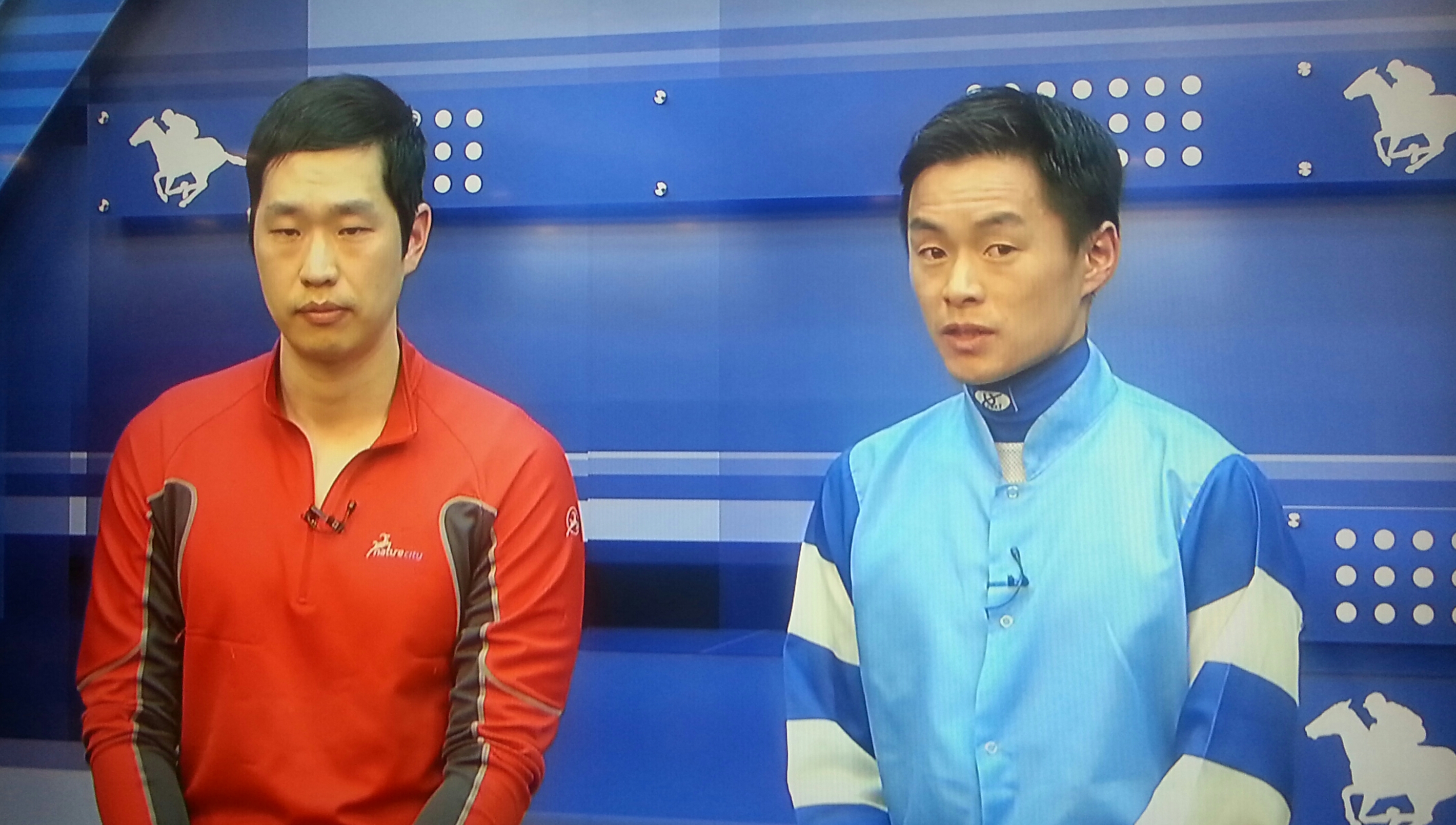
Jockey Joe Fujii explains what happened to Yeongung Bolt in an appeal to punters on the Racing Broadcast Network

In the Yeongung Bolt case, which was also resolved this week, trainer Kang Byung Eun was fined KRW 3 Million (just under $3,000) and jockey Joe Fujii – whose stirrups-less ride around the track is destined to become a mainstay of stocking-filler comedy racing DVDs in years to come – received a reprimand.

From Pick Me Up To Queen’s Blade: It’s Time To Change

A few years ago, I wrote an article with the title “What have we learned from Pick Me Up?” If one definition of insanity is repeating the same mistakes and expecting different results, then it must be concluded that more than six years on, the answer to my question is “not a lot”.

image

Bring her home: Queen's Blade wins the 2014 Korean Derby (Pic: Ross Holburt)

Last year an unfit Speedy First and an out of sorts Major King, Korean Classic winners both, spent the spring and early summer in the United States, each getting humiliated three times, before coming home. That three times is important as, for some reason, all these years later, the Korea Racing Authority still picks up the bill if a horse goes to the US and runs three times. A couple of years previously, Oaks winner Baekpa did the same.

This past Saturday, the 2014 Korean Derby winner Queen’s Blade was entered in a six-furlong race for fillies and mares at Pimlico. I’ll not post the video but she was left in the gate at the start and never featured, ending last by some considerable distance. Inevitably she will race twice more to get the subsidy.

If we were learning something from this, it wouldn’t be so bad but we’re not. We already know that four-year old Korean horses who have been going non-stop since their debuts nearly two years ago will not be competitive in US racing. We also know that if a horse was expected to perform well in Korea this year, it would not be sent overseas.

Similarly, we know that Korean bred horses who go to the US when young can be competitive. As someone once said, “maybe  the problem isn’t the horse”.

We also know that when sent overseas at the right time and to the right race, Korean trained horses can compete – Watts Village winning the Interaction Cup at Ohi in 2013 proved that.

In the original piece about Pick Me Up, I wrote about the strange practice of sending a Korean horse halfway around the world in order to try and assess the strength of Korean bred horses, when there are plenty of imports racing in Korea, but only allowed to run in segregated races. The start of the rating system, whatever its critics may say, is finally addressing that.

In a year where Korea hopes to become recognised by IFHA as a Part II country, a second Derby winner in as many years going to the States and not even looking like a racehorse, is potentially damaging to the international perception of racing here.

If an owner wishes to take their horse themselves to race in the USA, then the very best of luck to them. Support though should focus on getting our best horses to Singapore in July, to Tokyo in late autumn and to Dubai early next year and also encouraging them to take on the visitors in the Ttukseom Cup, KRA Cup Classic and Asia Challenge Cup.

It’s time to do things differently.

South African Jockey Jarred Samuel Set For Seoul

Two months after Ikuyasu Kurakane returned to Japan, Seoul Racecourse has a new foreign jockey with South African Jarred Samuel taking up a four-month license.

image

Jarred Samuel (Picture: Gold Circle)

Samuel, a 27-year-old who was previously based in Durban, has ridden 103 winners since debuting in 2004 and was in Seoul watching the races this past weekend. He is available for rides from this week.

Able to make 50kg weight, Samuel will be looking to get more opportunities than some of the other foreign jockeys who have ridden at Seoul in the past.

Samuel will be the fifth South African jockey to ride regularly in Korea (many others have participated in the Seoul International Jockey Challenge). Chris Taylor and Stephan Swanepoel weren’t given many chances during their times at Seoul several years ago although Martin Wepner and Gerrit Schlechter both fared much better in their stints at Busan.

A huge football fan, he will no doubt fit in well in Korea as his favourite team is Manchester United, although he has pledged to attend some K-League too.

Just two months ago he was featured on a South African TV show:

Stallion Sharp Humor Has Passed Away

Desperately sad news from Jeju Island as Let’s Run Stud Farm has reported that one of the jewels of its breeding program, Sharp Humor, died as the result of an accident on March 18.

Sharp Humor, 2003-2015.

Sharp Humor, 2003-2015.

Aged just 12, Sharp Humor was in his 3rd breeding season in Korea, having been purchased by the Korea Racing Authority in November 2011, arriving the following February.

He covered 97 mares in 2013 and 85 in 2014, with another full book in progress this year.

Sharp Humor [Distorted Humor – Bellona (Hansel)] was a good racehorse whose full promise was thwarted by injury. As a two-year-old, he won two Stakes races at Belmont Park and there were high hopes of him as he began his three-year-old campaign in 2006. He won the G2 Swale Stakes at Gulfstream Park before narrowly running second to the tragic Barbaro in a stretch duel in the Florida Derby at the same track.

However, upon finishing 19th of 20 in the Kentucky Derby, again behind Barbaro, he was found to have fractured a knee. He underwent surgery and managed to return to race one more time at Belmont Park, before being retired with career figures of 4 wins from 10 starts.  

Just as his potential was never truly reached on the track, regretfully neither will it be in the breeding shed. He sired plenty of winners in the USA and was sold to Korea in 2011 where he joined the rapidly improving breeding program. His two full crops have yet to make the track here with the first two-year-olds set to debut later this year.

There was very heavy rain on the island on the day of the accident. Jeju, with its rolling fields, agreeable climate and plenty of time out of the barn, is generally a pleasant posting for a stallion but a full inquiry into Sharp Humor’s death will review procedures with regard to the other valuable and high profile stallions, such as Menifee, Officer, Rock Hard Ten, Hansen and newcomer Tiz Wonderful, who stand there.

Pico Central, another expensive import, died in a paddock accident at the farm, which was previously known as the KRA Jeju Stud Farm, in February 2014.

Here’s that Florida Derby where Sharp Humor, the early front-runner, made Barbaro work all the way to the line:

KRA Cup Mile: Triple Crown 2015 First Preview

The first leg of the 2015 Korean Triple Crown is just over a week away. The KRA Cup Mile at Busan on April 5 is the first jewel in a series which this year will be complete by July.

image

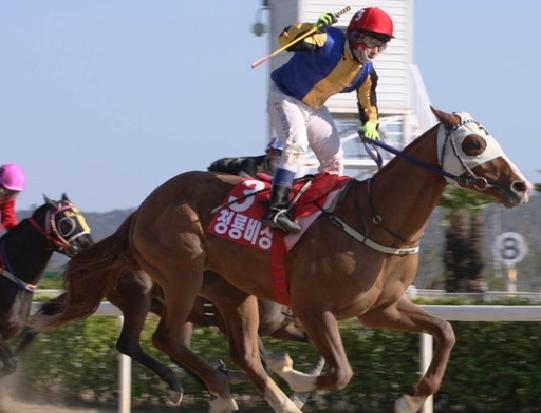
Cheongnyong Bisang won the KRA Cup Mile for Seoul last year (KRA)

And while Cheongnyong Bisang took the honours for Seoul last year, Busan looks set to continue its ongoing domination of the big races with only two currently set to make the trip down South from the capital.

That’s an embarrassingly poor showing for Seoul and while there is respect for the connections who are actually going to have a go, those two do not exactly look like potential world-beaters.

And a crucial factor in Seoul staying away could be the strength of the line-up from the home track. There are nine in total with last year’s champion juvenile Doraon Hyeonpyo heading them. Class 2 winners Rafale and Mac And Cheese will be there too along with six other very strong contenders.

The KRA Cup Mile has been run at Busan every year since the track opened in 2005. For its first three seasons, it was a race open to older horses but in 2008, prize money was doubled and the race moved to its present spot on the calendar as the first leg of a new Triple Crown series that would incorporate horses from Busan and Seoul competing with each other for the first time.

Since then, Busan based horses have won five times while the prize been taken back to the capital on two occasions. Since the change, no horse has won all three legs of the Triple Crown. Sangseung Ilro came the closest when taking the Cup Mile and the Derby in 2009 before falling short much later in the season in the Minister’s Cup.

When J.S. Hold made a clean sweep in 2007, all three races were at Seoul.

Here are the current nominations for the race, which is restricted to Korean bred three-year-old colts and fillies. Final declarations are next Wednesday, April 1. No fools, hopefully. (Name [Sire] Sex (Runs/1st/2nd/3rd) Trainer):

KRA Cup Mile (KOR G3) – Busan Racecourse – 1600M – April 5, 2015

Busan
Doraon Hyeonpyo [Colors Flying] C (6/5/1/0) Kwan Seung Joo
Rafale [Colors Flying] C (7/4/2/0) Kim Jae Sub
Mac And Cheese [Menifee] C (7/5/0/1) Kim Jae Sub
Yeongcheon Ace [Menifee] C (7/3/3/1) Baik Kwang Yeol
Summit Myeongun [Menifee] C (8/4/1/2) Kim Young Kwan
Yuseong Fighting [Didyme] C (6/4/0/1) Choi Ki Hong
Namhae Sinhwa [Vicar] C (7/3/3/0) Lim Keum Man
Yeonggwanguitaepung [Menifee] C (8/3/2/2) Kim Young Kwan
Special Line [Ecton Park] C (9/2/2/1) Baik Kwang Yeol

Seoul
Haetbinna [Didyme] C (6/2/1/0/)  Yoo Jae Gil
Lion Star [Exploit] C (5/1/2/0) Shim Seung Tae

So Menifee again dominates in terms of numbers although Colors Flying’s first crop to reach three-years-old looks formidable. Doraon Hyeonpyo won the Breeders’ Cup race at Seoul last autumn to be crowned Champion Juvenile while Rafale beat him to win the Gyeongnam Shinmun Cup a month earlier.

We’ll have more on the build-up as the race gets closer.

Gambling Figures Show Korean Racing’s Challenge In Face Of Competition, Regulation

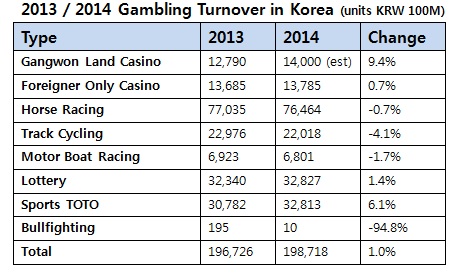
The government last week released figures showing that overall legal gambling in Korea rose slightly in 2014 but that gambling on horse racing was down by 0.7%.

image

Punting was slightly down at the races in 2014

Legal betting on horse racing with the KRA amounted to 7.6 Trillion Won (about US$6Billion) in 2014, which remained by far the largest individual share in a betting market worth 19.8 Trillion Won.

Other traditional Korean forms of gambling such as track cycling and motor boat racing suffered falls too while there were significantly fewer bullfighting festivals in the south of the country last year which almost wiped out that particular odd sector of the market.

The Sports TOTO, which enjoys far easier access than racing, being available in convenience stores and allows players to predict results of sporting events at home and overseas, showed strong growth as did Gangwon Land Casino, which saw revenues increase by almost 10%.

Gangwon Land, in the countryside three hours east of Seoul, is currently the only casino in the country where Korean citizens are permitted to play. There are numerous “foreigner only” casinos but their growth was static last year, with the Korea Herald pointing out that this was due to the largely Chinese clientele being subject to stricter anti-corruption rules which kept some former high-rollers away from the tables.

National Gaming Control Commission figures

National Gaming Control Commission figures

Racing is not in competition with the foreigner only casinos, however, recently there have been a number of cases of large casino groups offering significant investment in various regions but only if the government changes the law and allows Koreans to bet in them.

Most recently, the Korea Times reported on the Las Vegas Sands Corp. making what the paper described as a “sly offer” to build a 5 Trillion won casino and resort in Busan – on the condition that Korean citizens can enter. The newspaper went on to note that Busan Mayor Suh Byung Soo likes the plan and has called on the government to revise the laws.

It is hard to imagine many traipsing over the one bridge out of town to the Busan Racecourse in all weathers if that happens. And if Busan can have all that juicy tax revenue from a casino, why can’t Daegu or Daejeon? Or Incheon?

The trouble is that the government has no money and needs to find some. Racing is a huge contributor to the public purse and also plays a significant role in keeping the agriculture sector going, through its various support programs for rural communities. The racecourses have successfully positioned themselves as attractive destinations for families and young couples (Saturday’s mini-riot aside) as anyone who visited the racecourse prior to 2010 and then visits again today will confirm.

This doesn’t make much revenue but it is vital if the Sports TOTO generation are to ever come racing. It also provides a very safe way of legally gambling.

That’s all well and good but if the bottom line is falling then eventually the government is going to look elsewhere. Furthermore the family and young couple aspect stands to be undermined if the government goes ahead with making it compulsory for anyone wishing to have a legal bet to register for an electronic card that will track their spending.

So if that couple on their date at the track wants to bet a couple of dollars to show, they are going to need to register. One can imagine how young Eun Ji’s mother is going to react when she comes across her university age daughter’s gambling card while cleaning her room. Probably best to date at the cinema.

More to the point – and the point that all of the legal gambling operators have been making to the government – is that many bettors will not sign up for an Electronic Card. But they won’t stop betting. They will just find alternatives which don’t require a card and probably dont pay tax either. At least not to the government.

As we head into the second quarter of 2015, the challenges for Korean racing are not only on the track.

What Actually Happened At Seoul Racecourse Today

There are many words that can be used to describe Saturday’s events at Seoul Racecourse and most of them don’t have good meanings. Here is what actually happened.
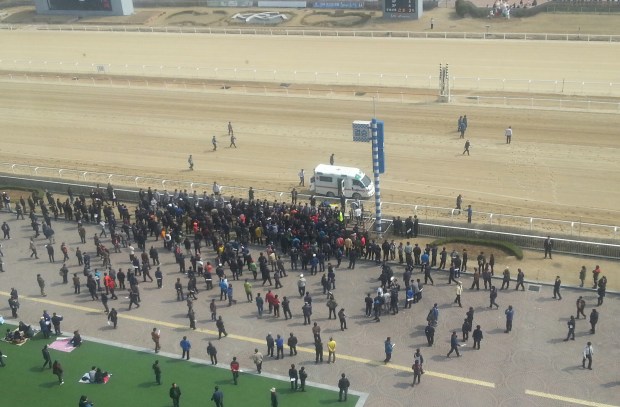
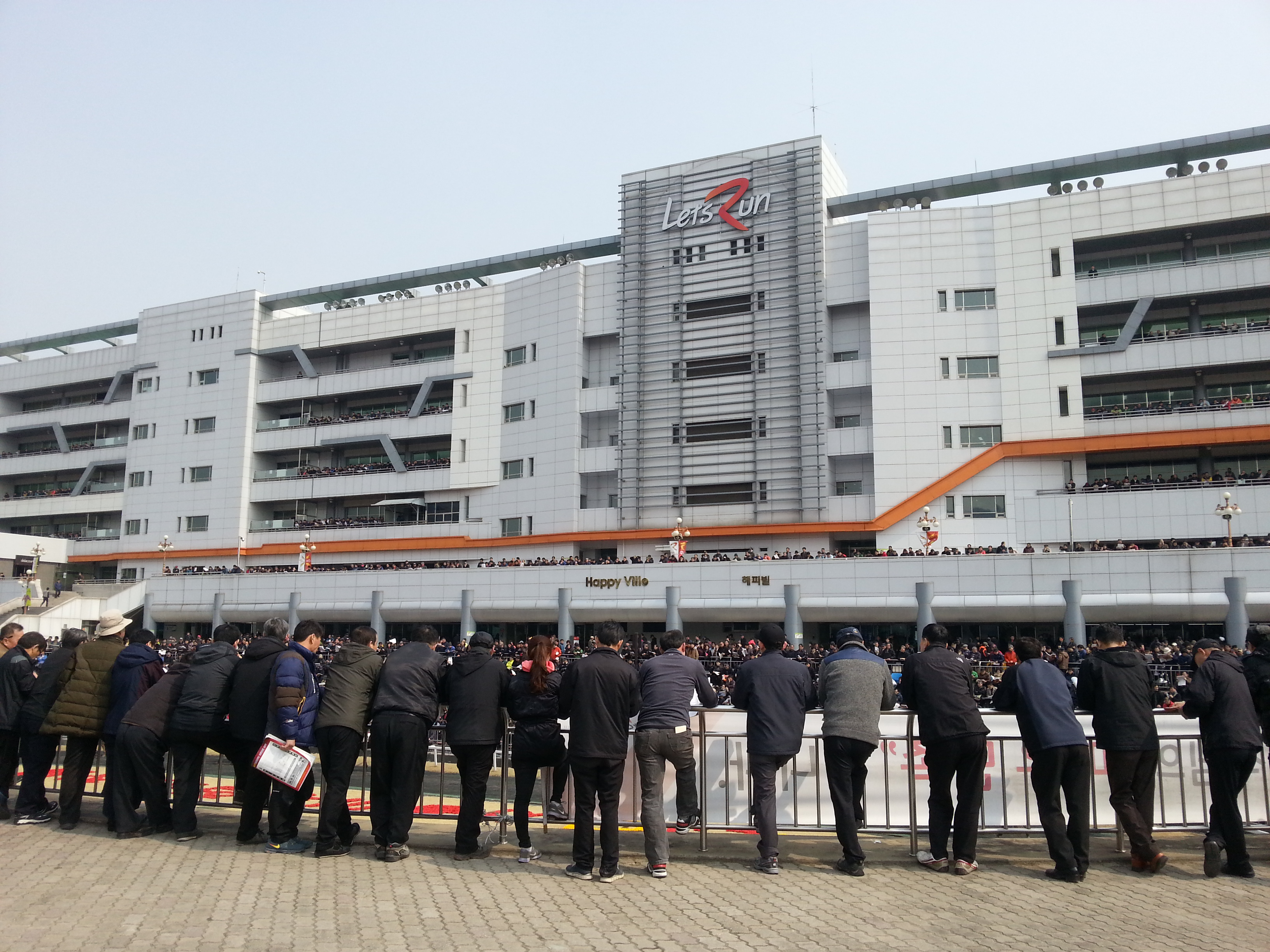
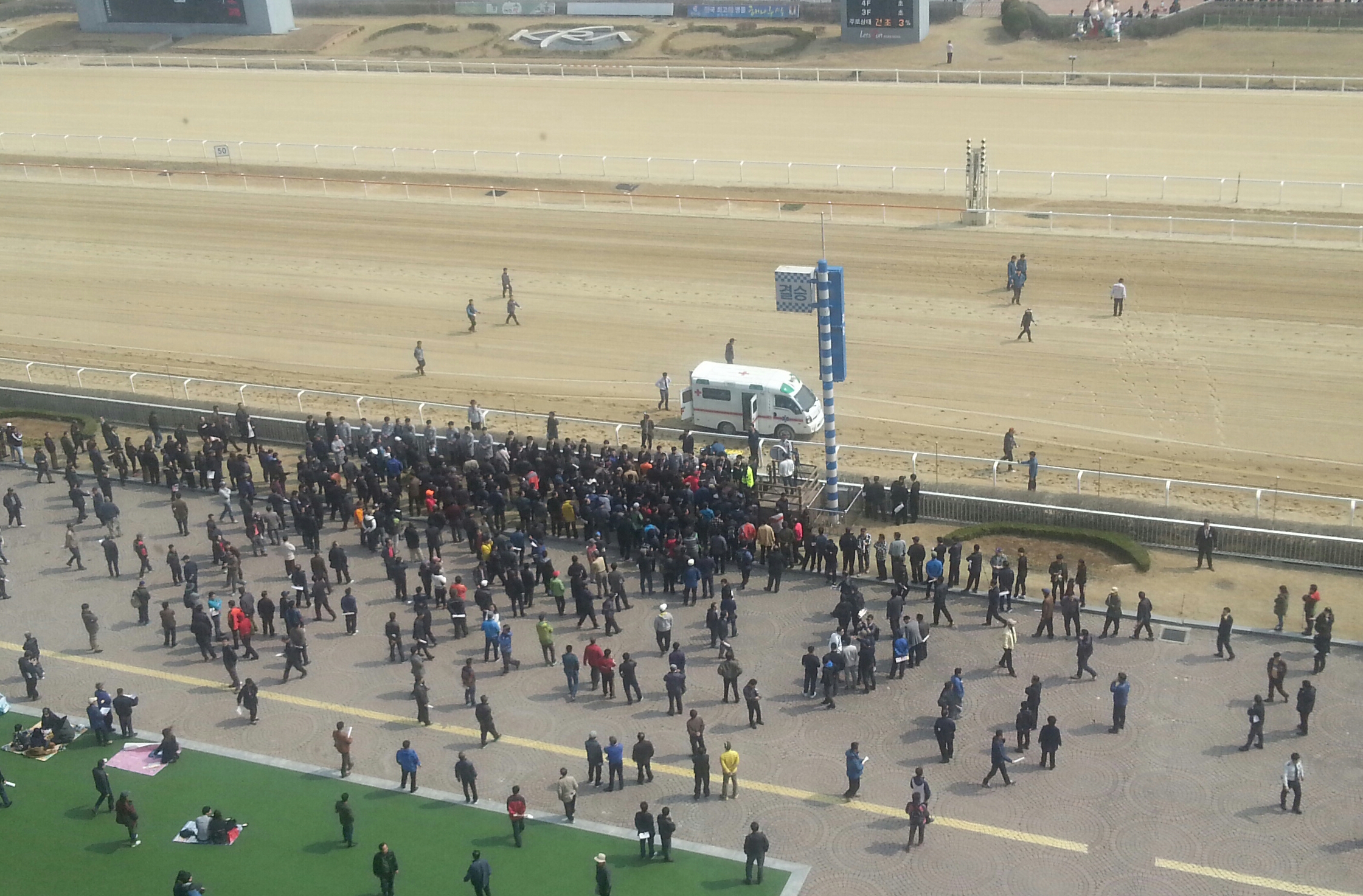
Protesters crowd around the winning line attempting to get onto the track

Protesters crowd around the winning line attempting to get onto the track

Trainer An Byung Ki had a horse in race 2 called Argo Wisdom and a horse in race 3 called Little Angels. Jockey Kim Dong Soo was to ride both. At Seoul, jockeys weigh out an hour in advance of the race. This is especially important in the crowded early schedule on a Saturday. Argo Wisdom in race 2 was to carry 53Kg and Little Angels in race 3 had been assigned 51Kg.

Jockey Kim sat on the scales with two saddles and duly weighed out for both races. The best guess as to what happened next is that at some point after this, the saddle which ensured a carried weight of 51Kg somehow found its way onto the back of Argo Wisdom instead of Little Angels. And on his second career start, Argo Wisdom went on to win race 2 quite handsomely, paying dividends of 5.4 on the Pari-Mutuel. He had been second favourite in the race.

Naturally, no inquiry sign went up. There was no reason it would as the race was run cleanly. However, on weighing in, jockey Kim and his saddle were found to be 2.2Kg lighter than when weighed out. The rules are clear and they were applied. Argo Wisdom was disqualified and placed last while the 2nd place finisher Gangnamgul was promoted to 1st.
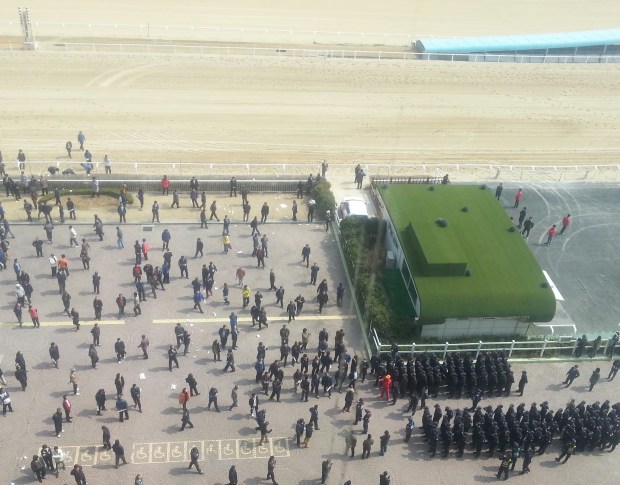
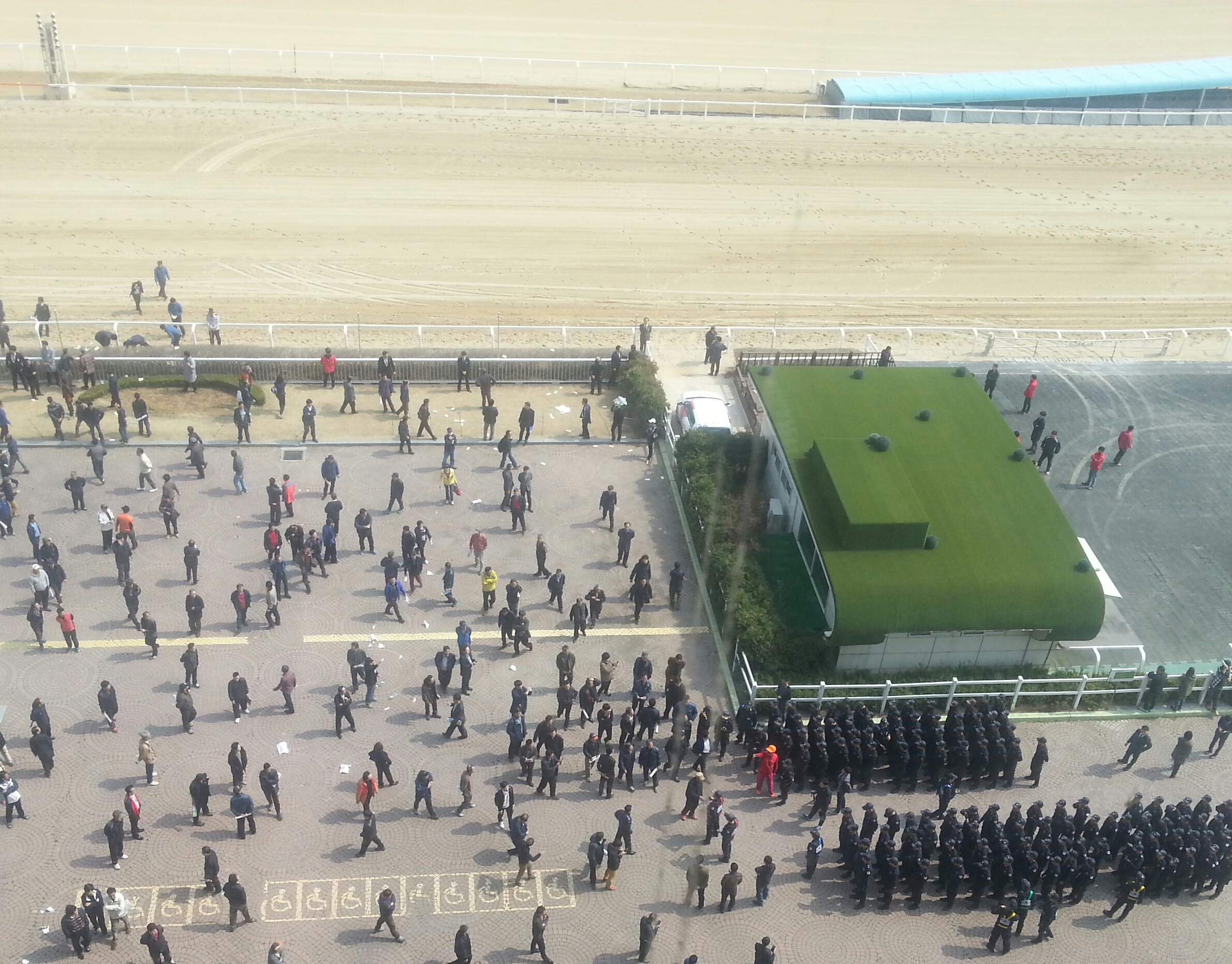
Riot police form their lines. They were not eventually deployed.

Riot police form their lines. They were not eventually deployed.

Although the disqualification was quickly announced once the weigh-in was complete, the first that many punters knew about it was when they went to collect what they thought were their winnings. When those winnings were not forthcoming, they were somewhat understandably, not amused.

It isn’t uncommon for punters to get angry and there was a genuine case for feeling aggrieved here, however, what happened next was something else. At betting windows across the racecourse – and no doubt at the OTBs – there was fury. The blameless tellers, as usual, bore the brunt. It was outside though where the significant action was taking place. A small but vociferous group gathered by the winning post and made clear their intention to disrupt the following race, runners for which were already at the starting gate.

Form guides, betting slips, pens and anything else that came to hand were hurled onto the track. They were followed by individuals climbing the fence and going out themselves. Security, lighter than in days gone, by was quickly overwhelmed and race 3 was abandoned.

Attention briefly turned to the pony race at Jeju and the Chair of the Stewards’ panel appeared on the Racecourse TV feed to explain exactly why Argo Wisdom had been disqualified.
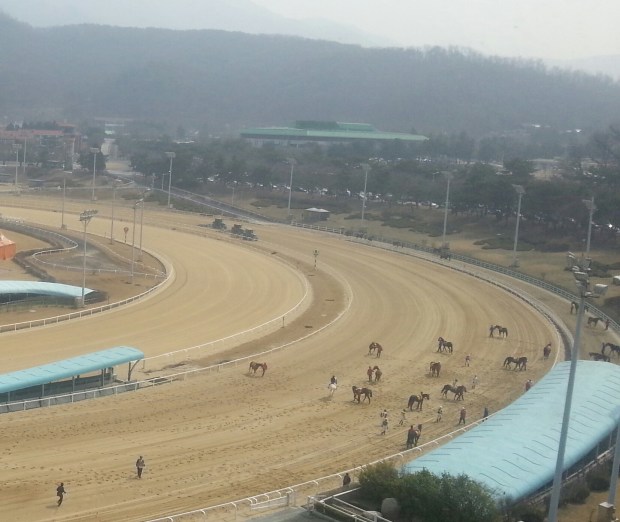
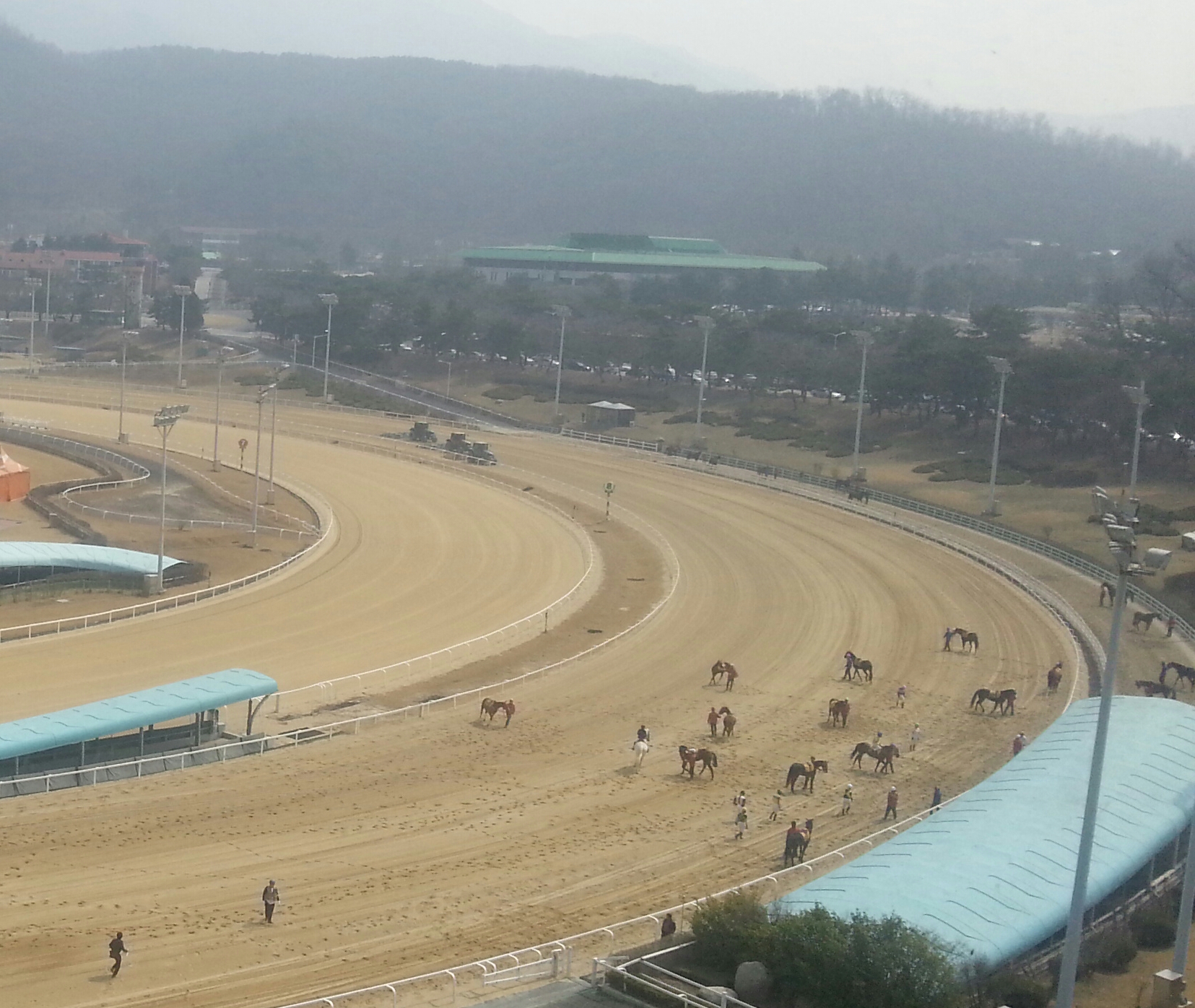
Horses mill around prior to race 4 being officially abandoned

Horses mill around prior to race 4 being officially abandoned

The protestors were having none of it. Horses paraded for race 4 under a shower of vitriol, which was now taking on a life of its own, far beyond the usual anger at a DQ. Riot police arrived but they were unable to prevent a further set of incursions onto the track and it wasn’t safe for jockeys to bring their mounts past the grandstand.

Race 4 therefore went the same way as race 3. By this time, the overseas simulcast broadcast had begun and it wasn’t only domestic eyes watching.

Seven years ago, there were riots when a meeting was abandoned due to cold weather. The consequences to the Racing Authority, run as it is under the auspices of government, were dire. With no prospect of the protests subsiding, the rest of the meeting in danger and the potential for a full-scale riot on their hands if that happened, the Korea Racing Authority announced that bets would be paid out on the disqualified horse as a “goodwill” gesture to customers.
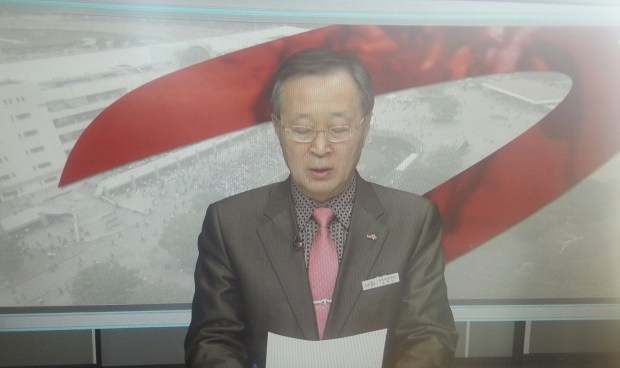
A KRA executive announces on the racecourse broadcast network that bets will be paid on the disqualified horse

A KRA executive announces on the racecourse broadcast network that bets will be paid on the disqualified horse

In the current context of racing here in Korea, the decision was an understandable one. The meeting was saved, the simulcast was saved and 30 minutes later, families were enjoying picnics by the winning line on what was a gorgeous (if dusty) spring day and we had some great racing later in the day. Daily turnover obviously took a massive hit – to the tune of approximately US$7Million for the two abandoned races – and that, perhaps even more so than the disturbances, is likely to be the focus of the inevitable political recriminations.

The alternative headlines after an abandonment of the meeting would have been too ghastly to contemplate. Mob rule prevailed today. The consequences of that may become clear in the weeks to come.

It started with a mistake. The rules were then applied but that wasn’t the end of it. The horse was called Argo Wisdom and a lot of wisdom is going to be needed in the fall out from today.
TV News Trains Sights On Racing

It wasn’t the best of weeks publicity wise for Korean Racing. The highest profile instance was last Sunday evening when one of the country’s most-watched TV news magazine programs, MBC TV’s “Sisa Magazine 2580”, produced a 15-minute segment on the KRA’s new race plan and specifically the objections to it from breeders, owners and trainers.

Those objections centre around the removal, with the exception of some Graded and Listed events, of separate races for domestic-bred horses at class 1 and class 2 level coupled with the raising of the limit that can spend on importing racehorses (now up to $50,000 for colts and geldings and no limit at all for fillies) and the potential impact of this on the domestic breeding industry.

A lack of consultation and the perceived high-handed way in which it was introduced came in for strong criticism during the program.

Additionally, the program alleged that messages left on the KRA’s “voice of customer” section in support of the new system were posted from computers with IP addresses belonging to the Authority itself, (internet commenters pretending to be somewhere or something they are not has become a somewhat hot issue in Korea over the past couple of years following some high profile political cases). While it is not 100% impossible that these were punters in the Seoul Racecourse Internet Cafe expressing their admiration of the Authority, viewers will have drawn their own conclusions.

The MBC program came one day after cable channel JTBC, was among media outlets reporting that a jockey, described as being a “20-year veteran” was under investigation for allegedly accepting money in exchange for providing information to illegal gambling interests. As a criminal investigation is underway, the jockey in question can’t be named in Korea for legal reasons.

There was some good coverage too; a video went viral in Korea of a horse used to pull tourist carriages being beaten by its owner (caution, link shows distressing scenes). The KRA tracked down the horse and rescued it. All good, however, the goodwill generated by that episode will likely have been lost over the week.

All in all, is is good to get back to racing this weekend.