Month: February 2011

Weekend Preview – February 11, 12, 13

One of the great things about living in Asia is that you get a second chance at New Year’s Resolutions. One of the bad things about living in Asia is you get to fail them a second time too. Therefore it pays to modify them and so Gyongmaman, having kicked off 2011 with the intention of backing more winners and drinking less wine, now heads into the Year Of The Rabbit with the determination to back fewer losers and drink better quality wine.

Mister Park - The Grand Prix Champion makes his season-debut on Sunday

Racing returns from its week off for the Lunar New Year holiday this weekend and it’s down at Busan where the pick of the action is as Sunday’s feature race sees Grand Prix Stakes winner Mister Park make his 2011 debut. And an intriguing season opener it is set to be as he drops back down to seven furlongs to join a full-field of fourteen.

That field contains old-timers Procyon and Areumdaun Jilju as well as sprint specialist fillies Night Moves and Mulbora, the 2008 Derby winner Ebony Storm (making his first appearance since last July) as well as the Peter Wolsley trained duo of Ganghan Yeoja and Suryeohan. Mister Park should make it his twelfth straight victory but he’ll be carrying nine kilos more than he did on that day at Seoul back in December.

Speaking of Seoul, the capital hosts another thirteen race card on Saturday as they continue to make up for the races lost to snow a few weeks ago. It’s largely egg-and-spoon quality on both days although a couple of up and comers are to be looked out for on Sunday. Mass Media’s Tea (Mass Media) will be looking to make it four wins from five when he goes on Sunday while filly Ruby Queen (Badge Of Silver) will be looking to do the same a few races earlier. Meanwhile, the weekend’s most valuable race sees Holy Dreamer look for a third straight class 1 win.

Racing at Seoul during February will start 10 minutes earlier than it did in January with a first post time of 11:10 on both Saturday and Sunday – possibly to avoid having to use the floodlights at all. Unfortunately, while we’ve had a very pleasant fortnight temperature wise, we don’t seem set to have our first non sub-zero weekend of racing. It’s getting cold again with a high of -1 predicted. Here’s when and where you can once again freeze your extremities off get out in the fresh air while losing money having a few wagers:

Friday February 11

Busan Race Park: 10 races from 12:00 to 18:00
Jeju Race Park: 9 races from 13:30 to 17:30

Saturday February 12

Seoul Race Park: 13 races from 11:10 to 18:00
Jeju Race Park: 9 races from 12:30 to 17:20

Sunday February 13

Seoul Race Park: 11 races from 11:10 to 18:00
Busan Race Park: 6 races from 12:30 to 16:30

History Time: Visiting The Old Seoul Racecourses

A trip to Ttukseom and Sinseol-Dong

The current Seoul Race Park, just outside the city limits in Gwacheon is horse racing’s third home in the capital. With no racing this weekend, it was an opportunity for a long overdue trip across the city to visit the sites of its two predecessors.
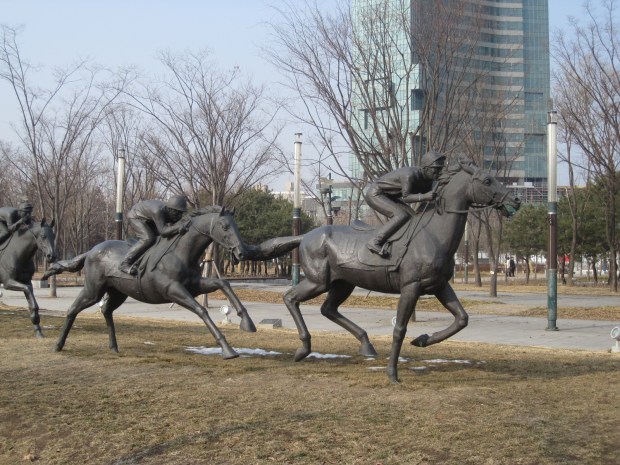
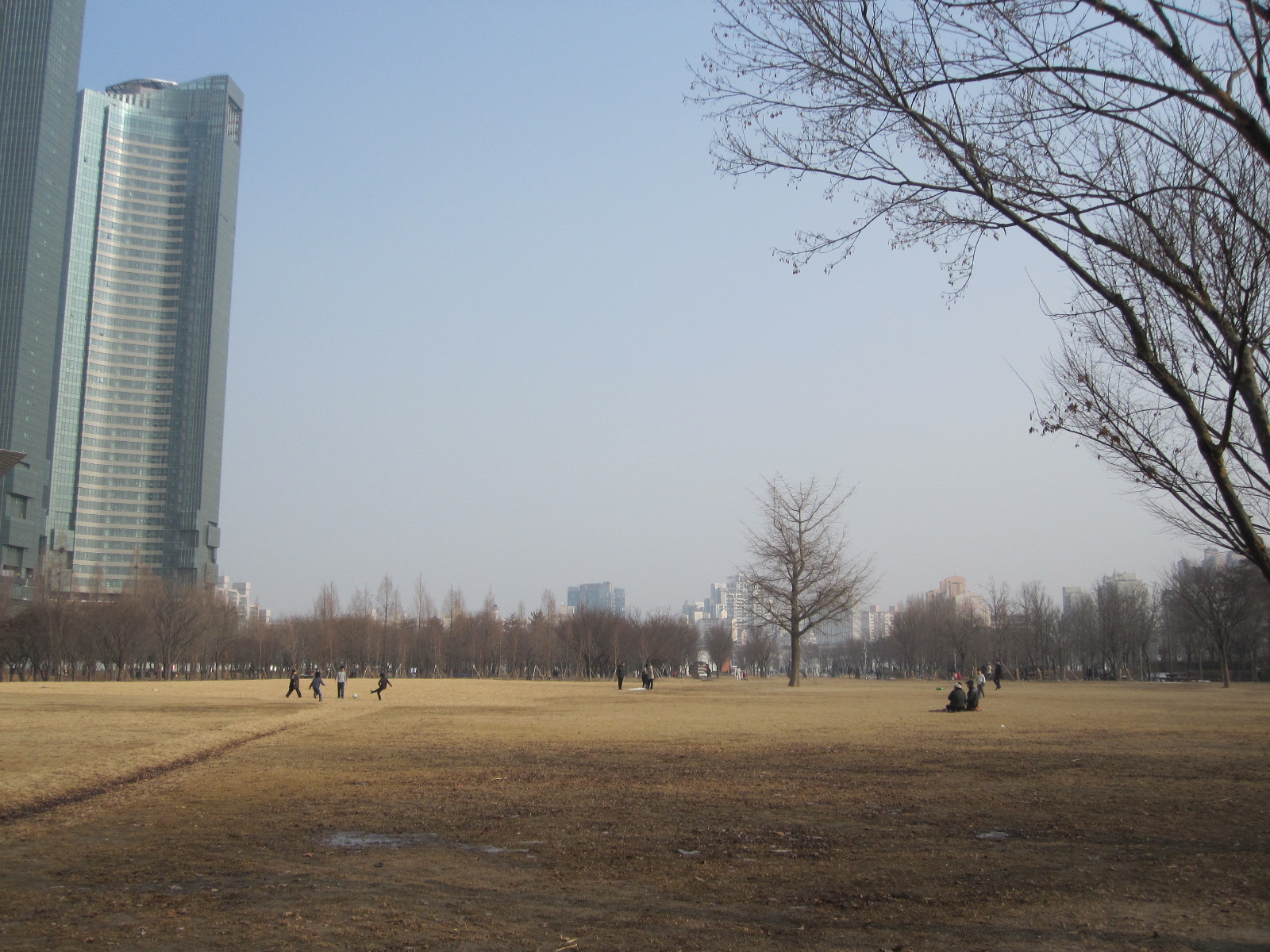
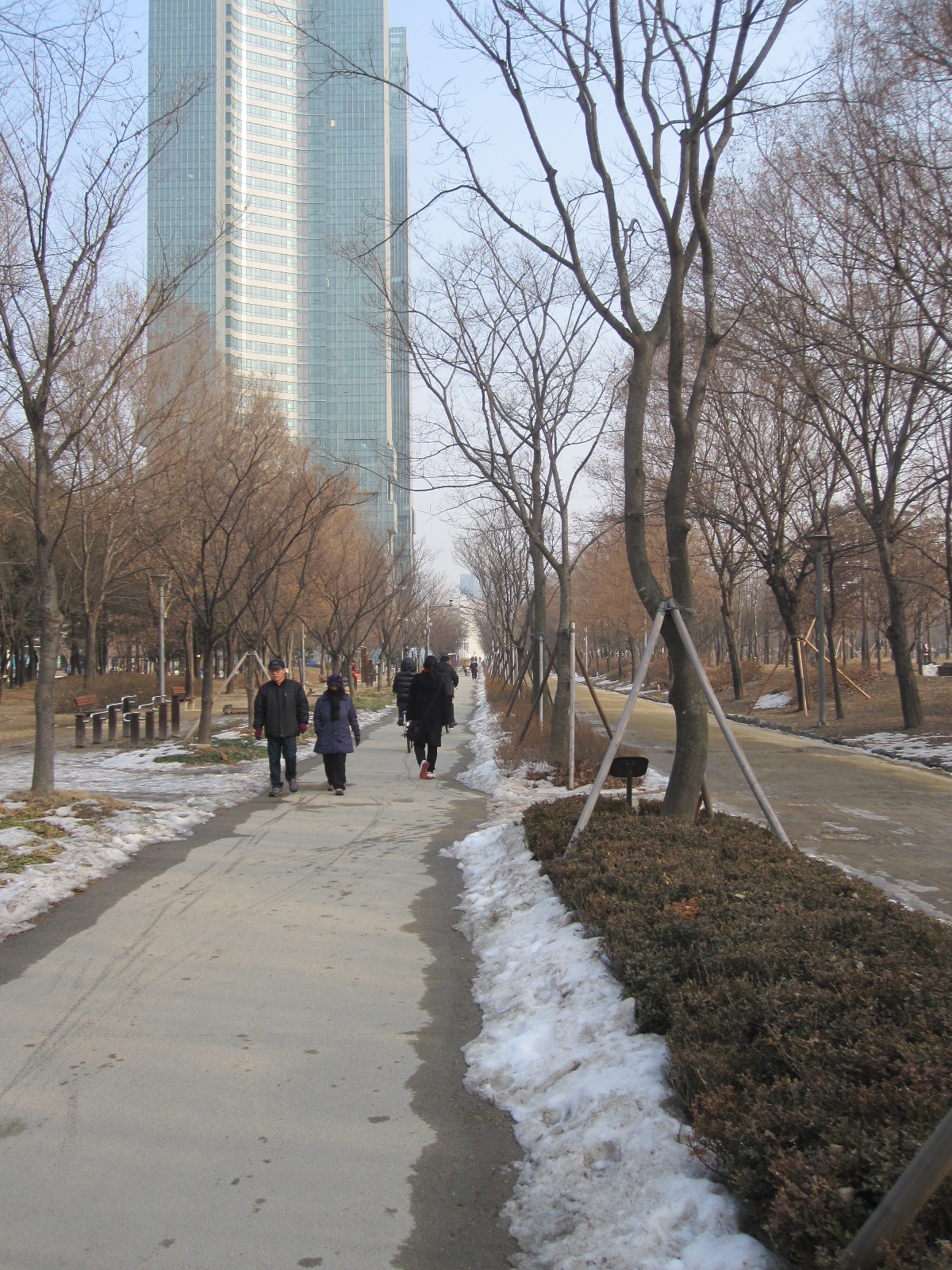
Seoul Forest honours its history as the former Ttukseom Racecourse

The KRA moved its operations to the current site in Gwacheon after the 1988 Seoul Olympic Games. During the Games, the KRA had organised the equestrian events and afterwards converted the facility for racing, closing its track at Ttukseom which had been the home of Seoul Racecourse for thirty-five years.
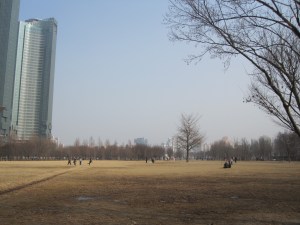
The large Ttukseom infield remains intact

Remarkably, given its central location, Ttukseom remains open space. After the racecourse closed, a water purification plant was built but the majority of the site lay untouched with the infield public golf driving range remaining open until well into the 1990s.

In 2003, resisting the temptation to turn the whole site into a private golf-course or to let Samsung, GS et.al build expensive apartments on it (well not on all of it, anyway) the City Authorities launched an ambitious plan to turn the area into an inner-city Forest Park. The old grandstand was finally knocked down and two years later, “Seoul Forest” was officially opened. And a beautiful place it is too.
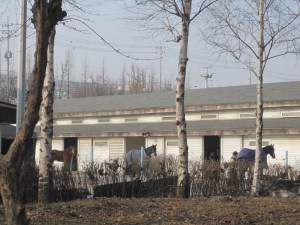
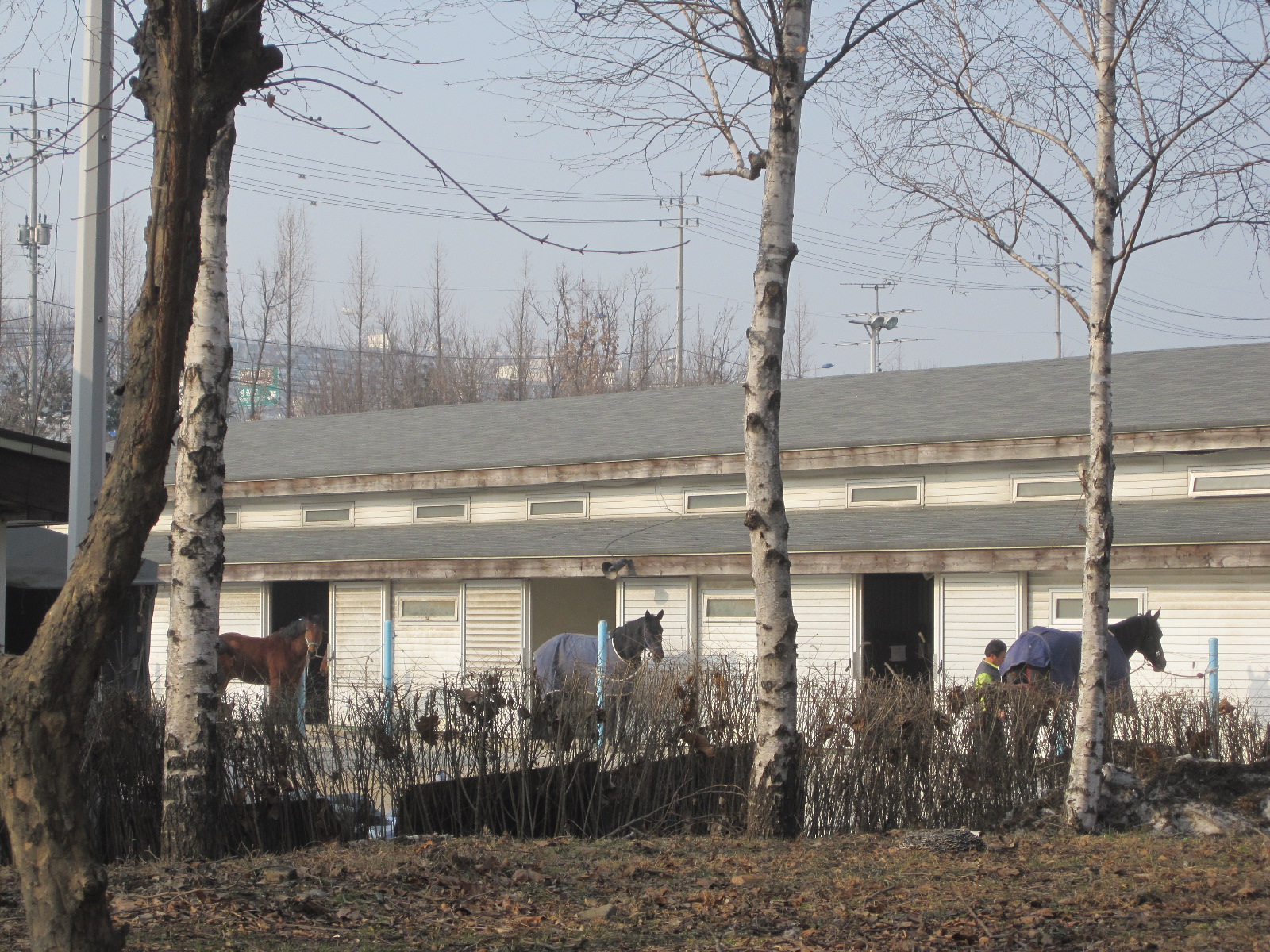
Some of the old Stable blocks are still in use

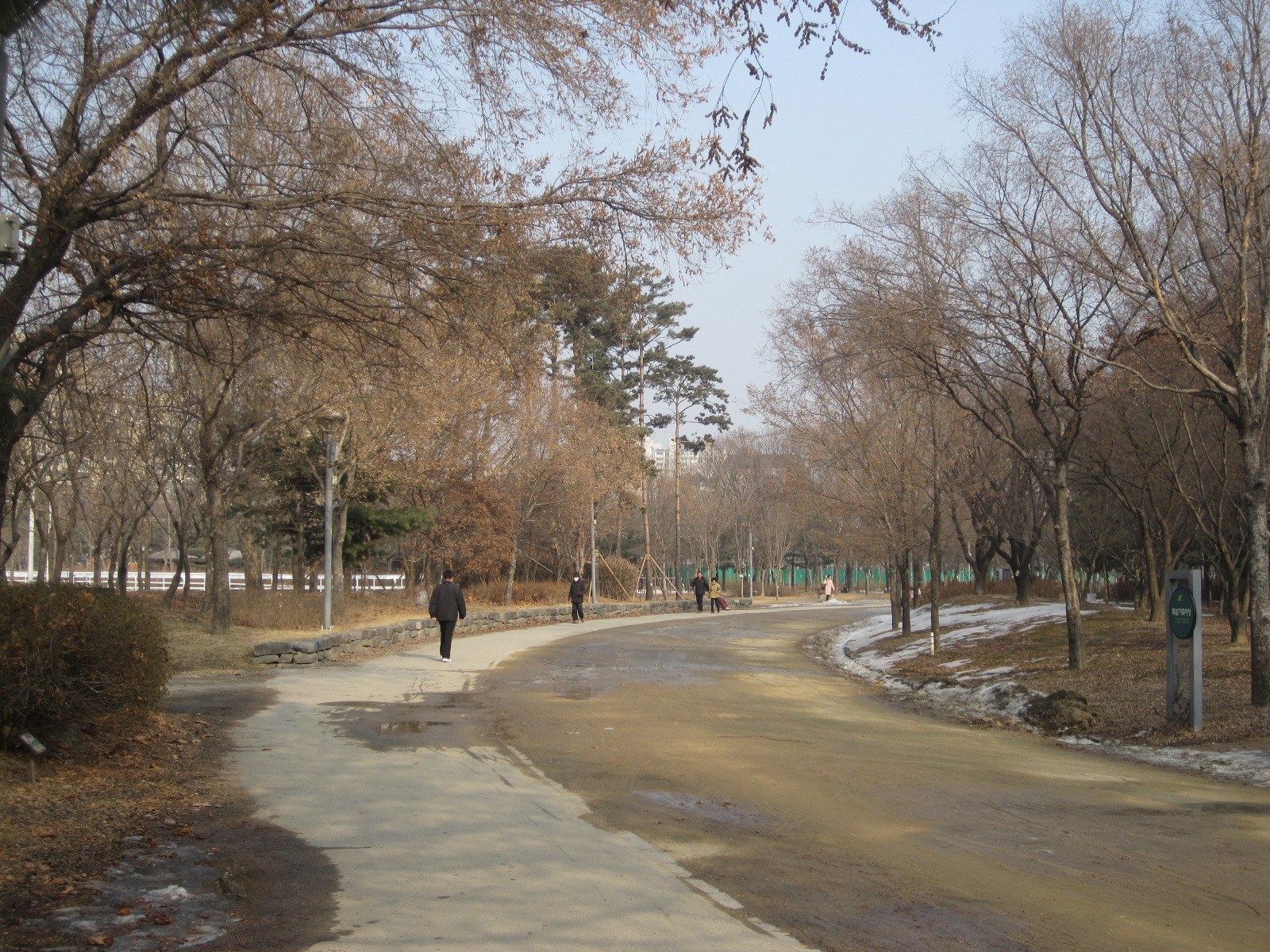
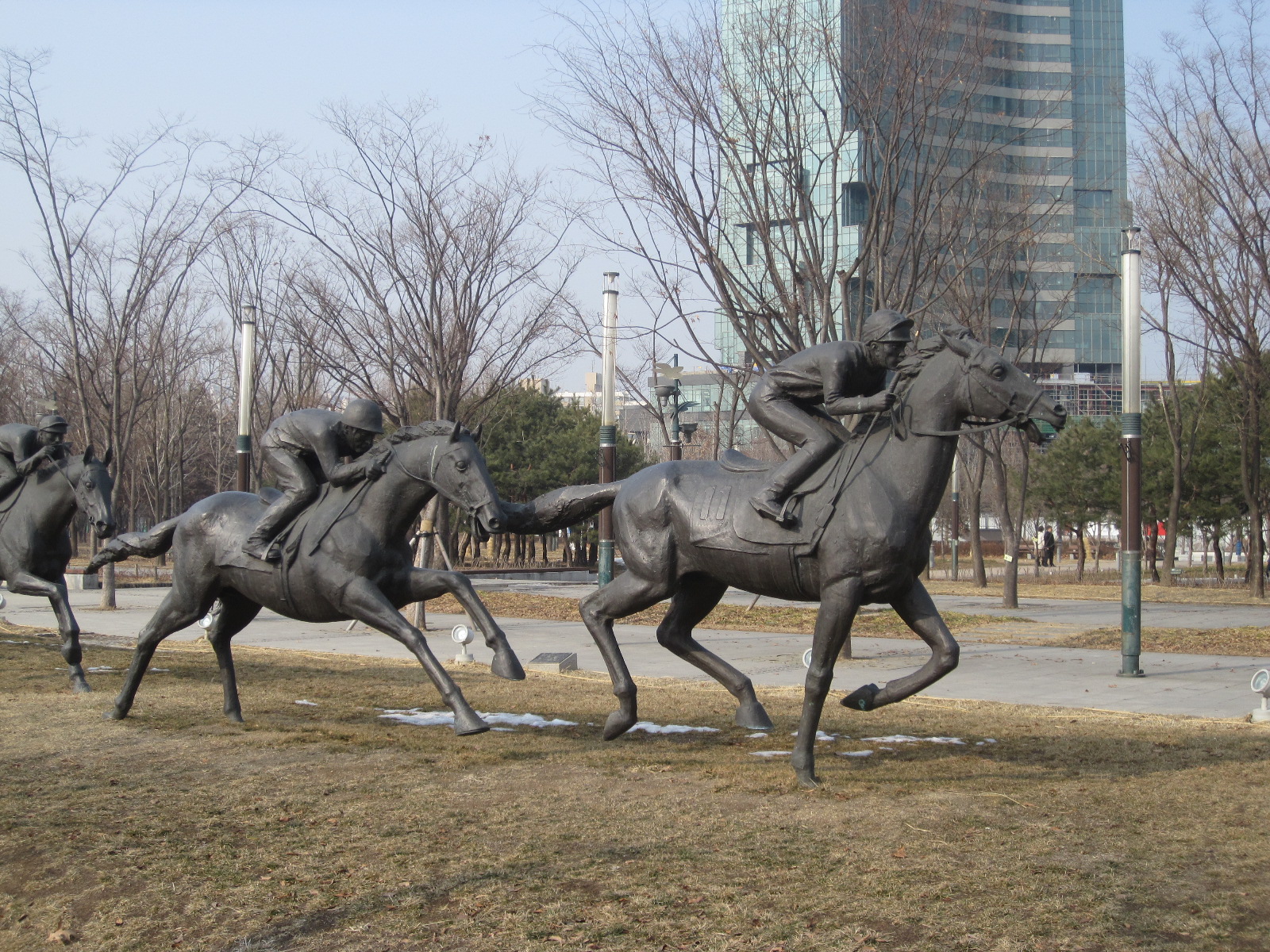
The bronze statues of racehorses contesting a tight finish is just one of many reminders of its former use. The oval track outline is still visible, having been turned into a walking path and, even on this chilly late winter day, many walkers, cyclists, and even game-playing families, were out enjoying the tail-end of the Lunar New Year holiday in the cool sunshine.

The old stable buildings were located on the same side of the track as the Grandstand and while there is no trace of the latter, one or two stable blocks remain intact as the home of the Seoul Equestrian Club. Indeed a number of horses were out being schooled in the club’s paddock drawing a small crowd of onlookers.
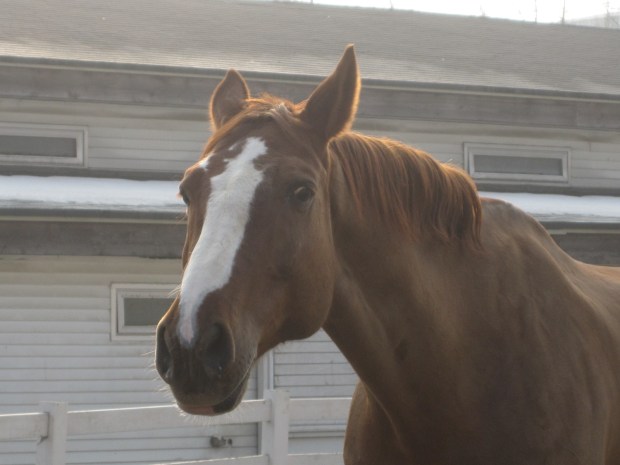
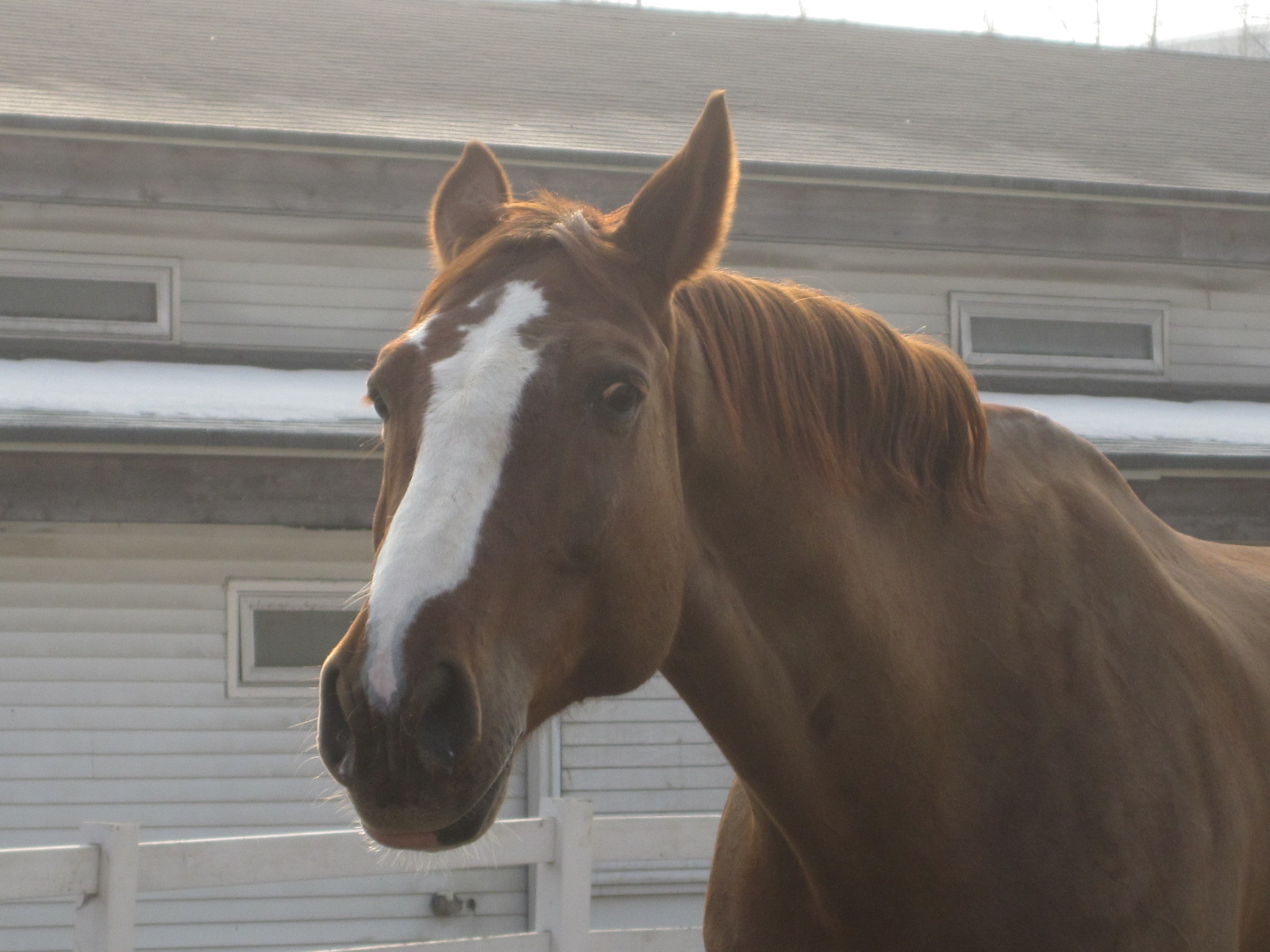
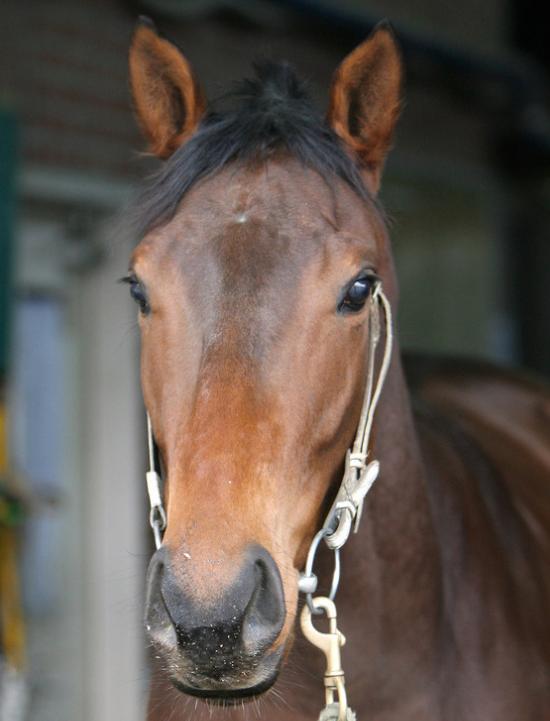
This chap was huge! But friendly enough as he took a break from schooling

The “forest” extends a long way beyond the confines of the old racecourse to join up with the nearby Hangang Park. It includes various “Eco-Zones” (basically bits of land that have just been left as they are) and a deer habitat, as well as a concert stage and the obligatory bicycle hire, coffee shop and fast food restaurant. While pleasant enough already, when the young trees start to mature in the next few years, Seoul Forest will surely be one of Seoul’s best parks.
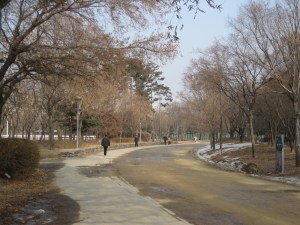
The home turn - unlike the current Seoul Racecourse, horses at Ttukseom ran clockwise

While it’s been only twenty-three years since it hosted its last race, Ttukseom truly does belong to a different era of racing. There was no private ownership of horses – all were owned by the KRA – and therefore no prize money. The Korean Stud Book was only just getting started and a large portion of the horses running would not have been thoroughbreds. The only Stakes race to have begun at Ttukseom and still be run today is the Grand Prix, however, the old course is honoured in a race of its own, “The Ttukseom Cup”, contested at Gwacheon each April. Park Tae Jong, Shin Hyung Chul and Kim Gui Bae are the only jockeys still riding who began their careers at Ttukseom.
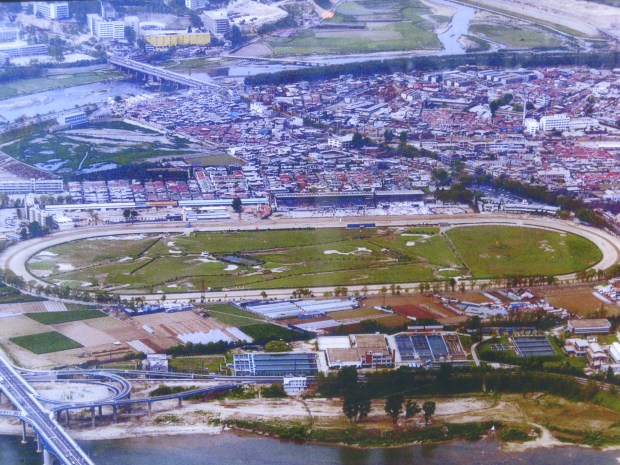
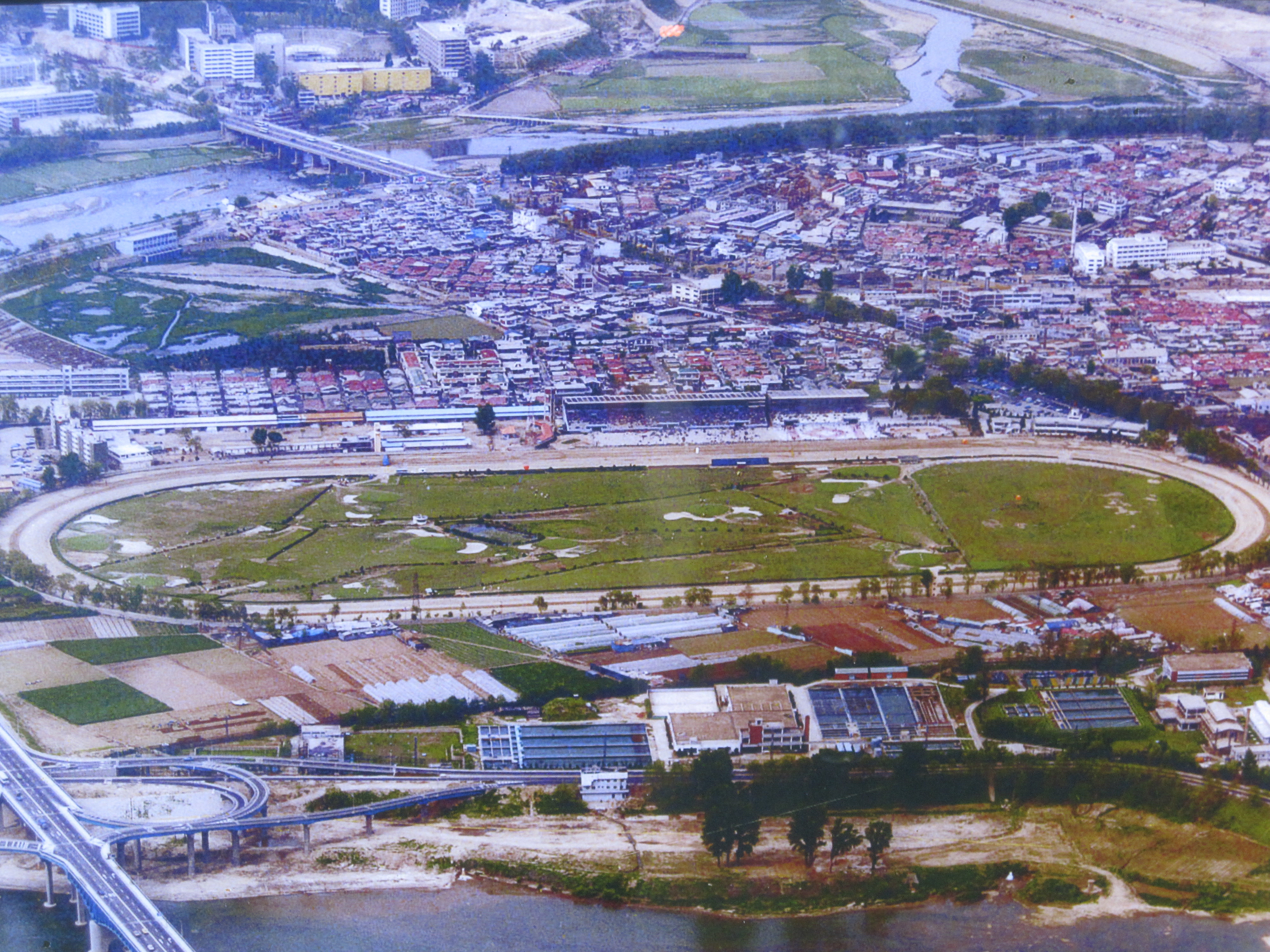
From the Archive: An overhead view of Ttukseom in its racing days (photo of a photo in the gallery at Seoul Race Park)

A fifteen minute subway ride from Ttukseom brings you to the district of Sinseol-dong and a step even further back in time in Korean racing terms. Sinseol-dong, adjacent to the historic “Dongdaemun” or “East Gate” and it’s sprawling market, was home to Seoul Racecourse from 1928 until the outbreak of the Korean War in 1950 when the track was abandoned (see this post from last year about the final day of racing at Sinseol-dong).
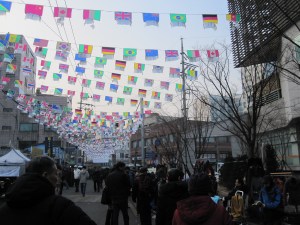
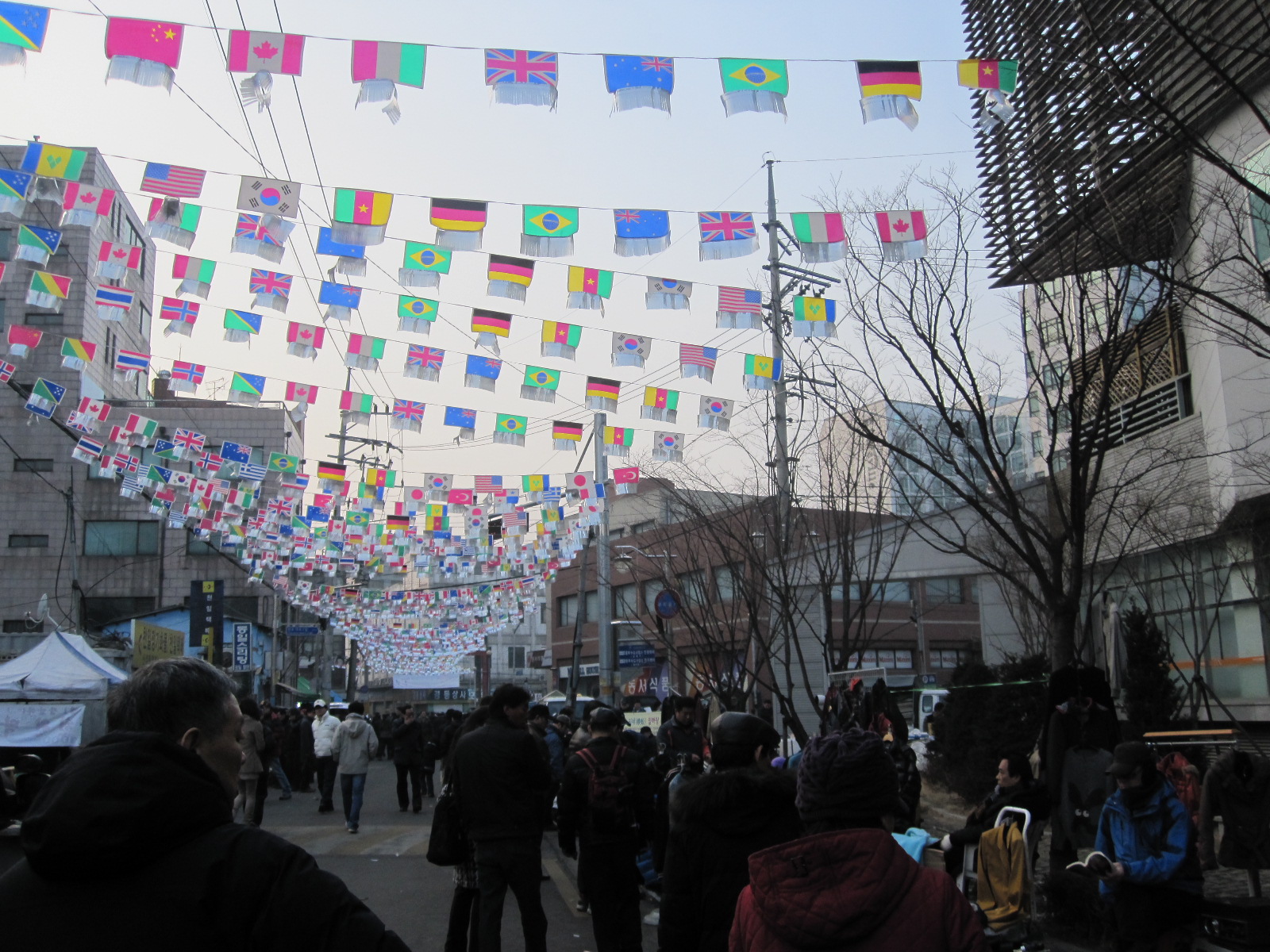
One of a number of bustling street markets on the site of the old Sinseol-dong Racecourse

Today, nothing remains of the track, which was situated from the wall of Dongmyo Shrine in the west, stretching down to the Chongyecheon stream to the South, Sinseol-dong Station to the North and the present day Seoul Folk Flea Market in the east.

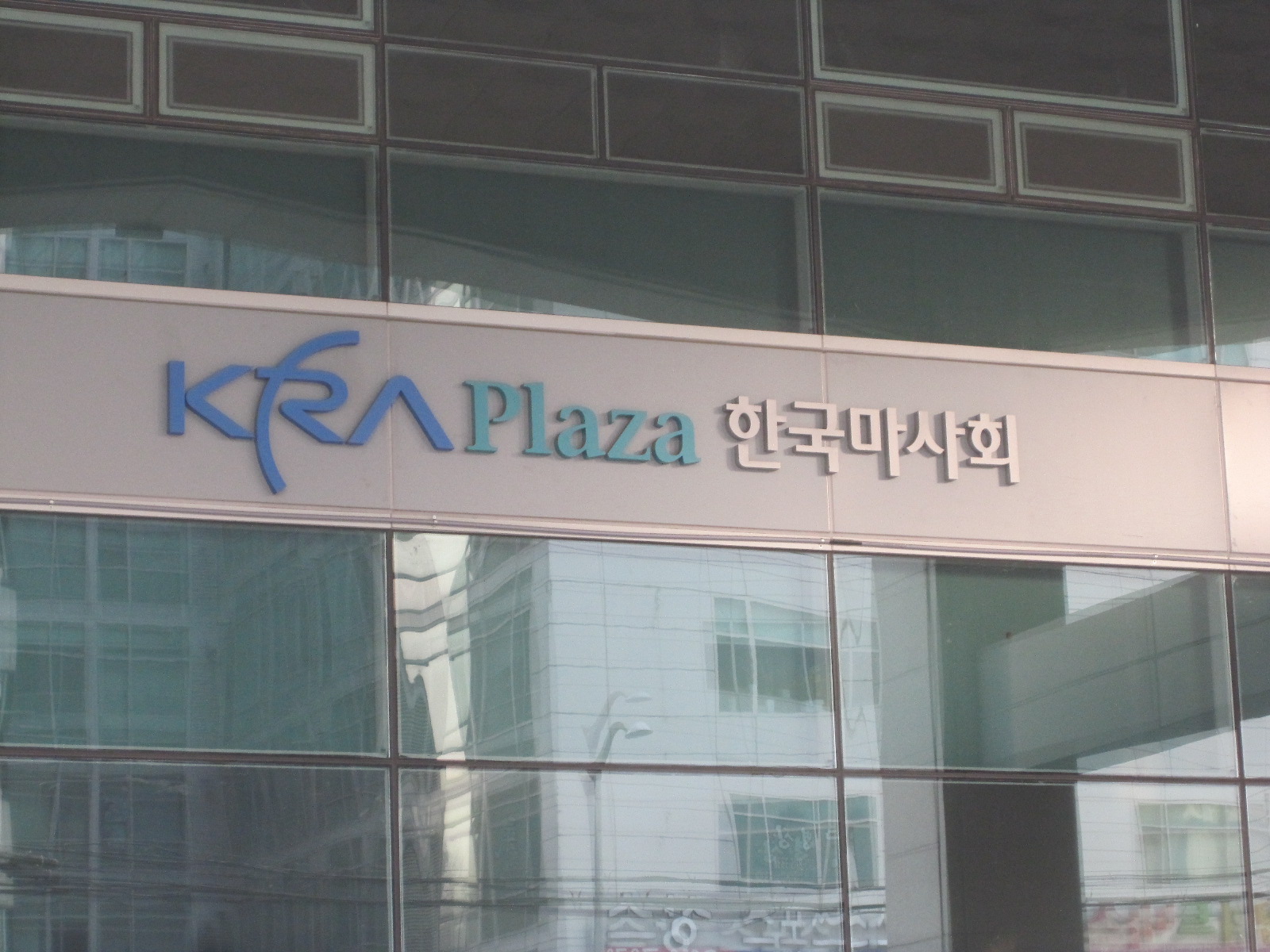
The KRA does, however, have a presence on the site in the shape of a gleaming new eight storey Off-Track Betting Plaza. The plaza is located a few metres to the south of where the winning post would have stood.
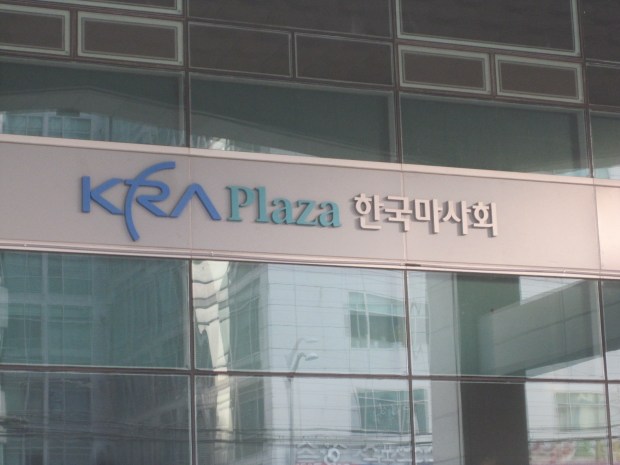
Just south of where the Sinseol-dong winning post would have stood, the KRA has a massive, brand new off-track betting plaza

The rest of Sinseol-Dong – the old track infield – is a maze of old buildings and alleyways that were constructed in the late 1950’s and early 1960’s and which have yet to undergo the “Samsung-ification” of much of the rest of tha capital. With the Dongmyo Market in the East and the “Folk Flea Market” in the west, it is a fascinating area and one in which you can walk around for hours without running out of things to see. However, the giant – and very expensive – Lotte Castle Apartment buildings just to the South sadly look sure to encroach on the area very soon
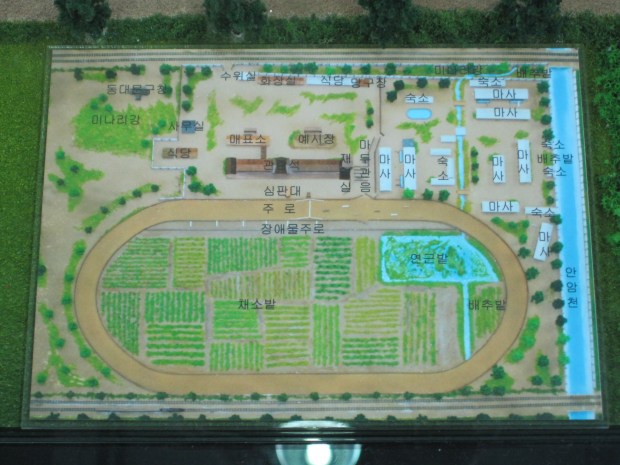
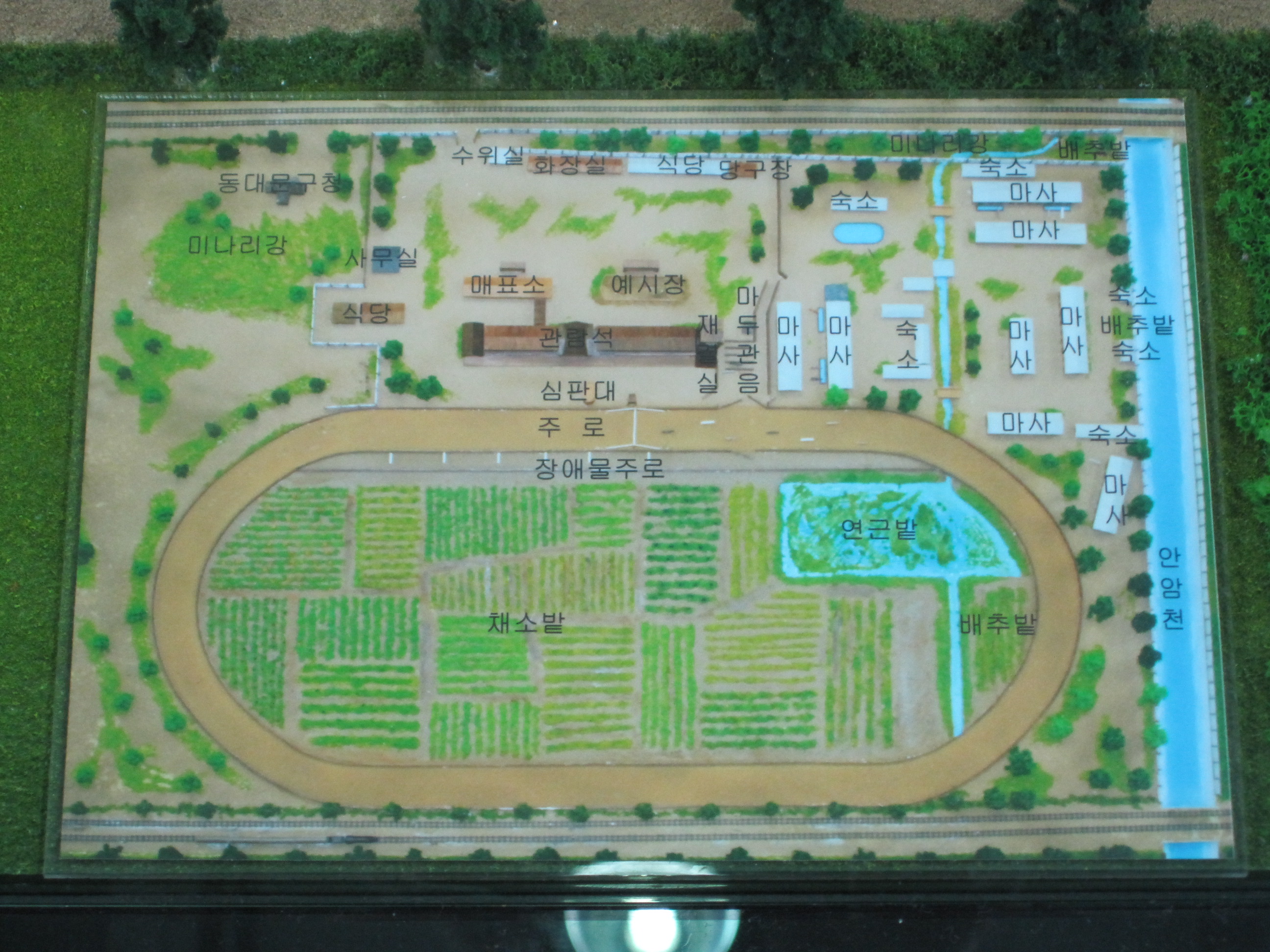
A scale-model of Sinseol-dong Racecourse in the present day Seoul Race Park gallery

In the early part of the twentieth century, there were a number of racecourses across the peninsula operated by local racing clubs, including a number in what is now North Korea. It is Sinseol-Dong and Ttukseom, however, as the forerunners of the present day Seoul Race Park, that played the biggest role in the development of horse racing here. For different reasons, the sites of both are well worth visiting; Ttukseom to spend a couple of hours away from city life in a tranquil setting and Sinseol-dong to see a little bit of the vibrancy of old-Seoul before its gone for good. The current track at Gwacheon is even more worth a visit and live racing resumes next Saturday.

Seoul Forest: Ttukseom Subway Station (Subway Line 2), take exit 8 – follow the signs to the Park entrance.

Sinseol-Dong: Sinseol-Dong Subway Station (Subway Lines 1 & 2), exit 10. The site of the winning post is in the vicinity of the KRA Plaza. Take exit 10 from the station, turn left and walk for 1 minute.
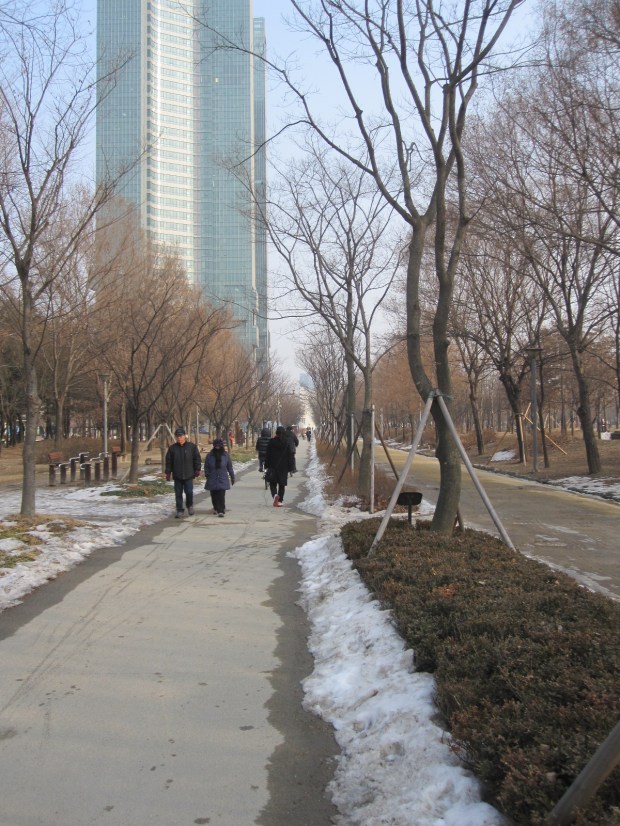
View down the old home straight towards the winning post at Ttukseom
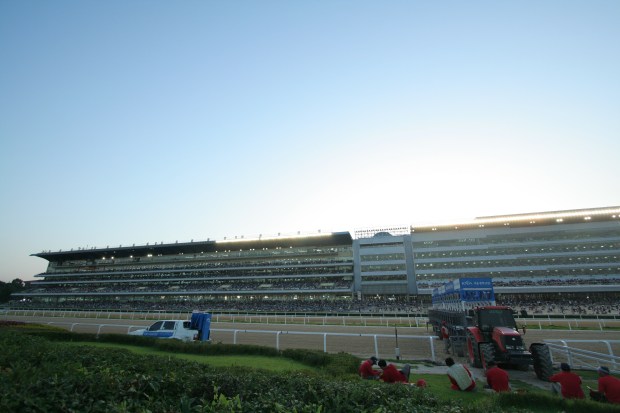
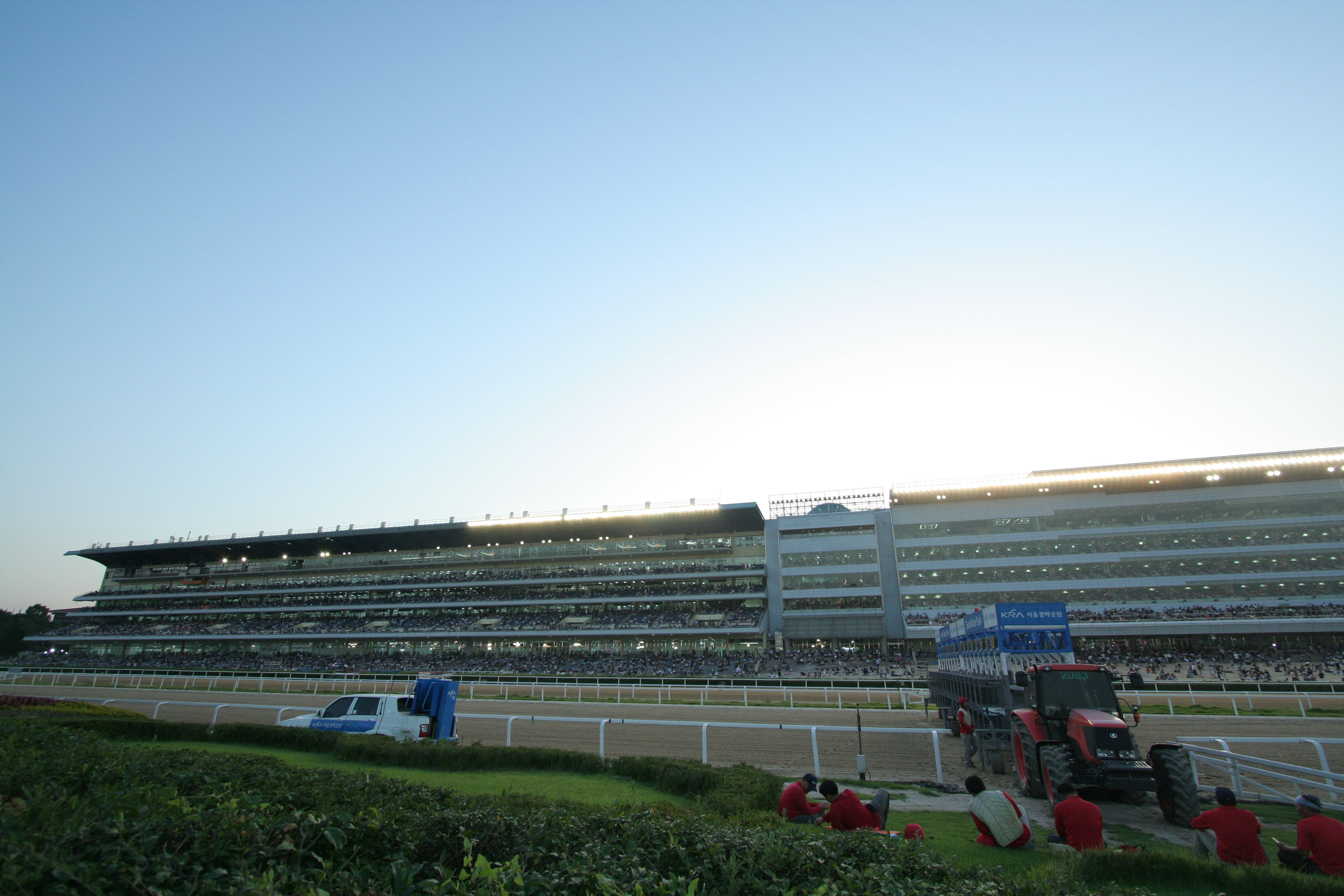
Still Standing: The Present day Seoul Racecourse at Gwacheon
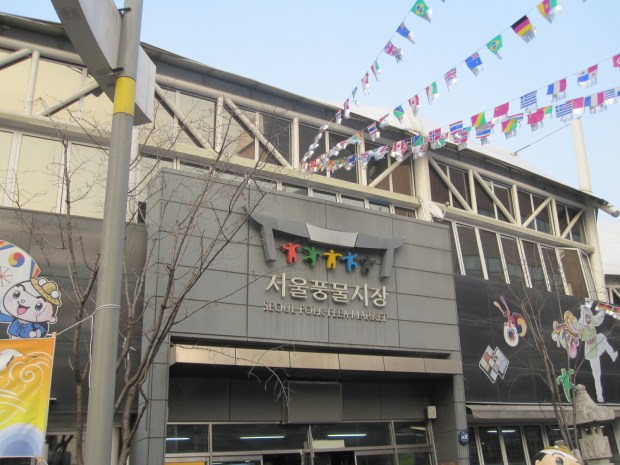
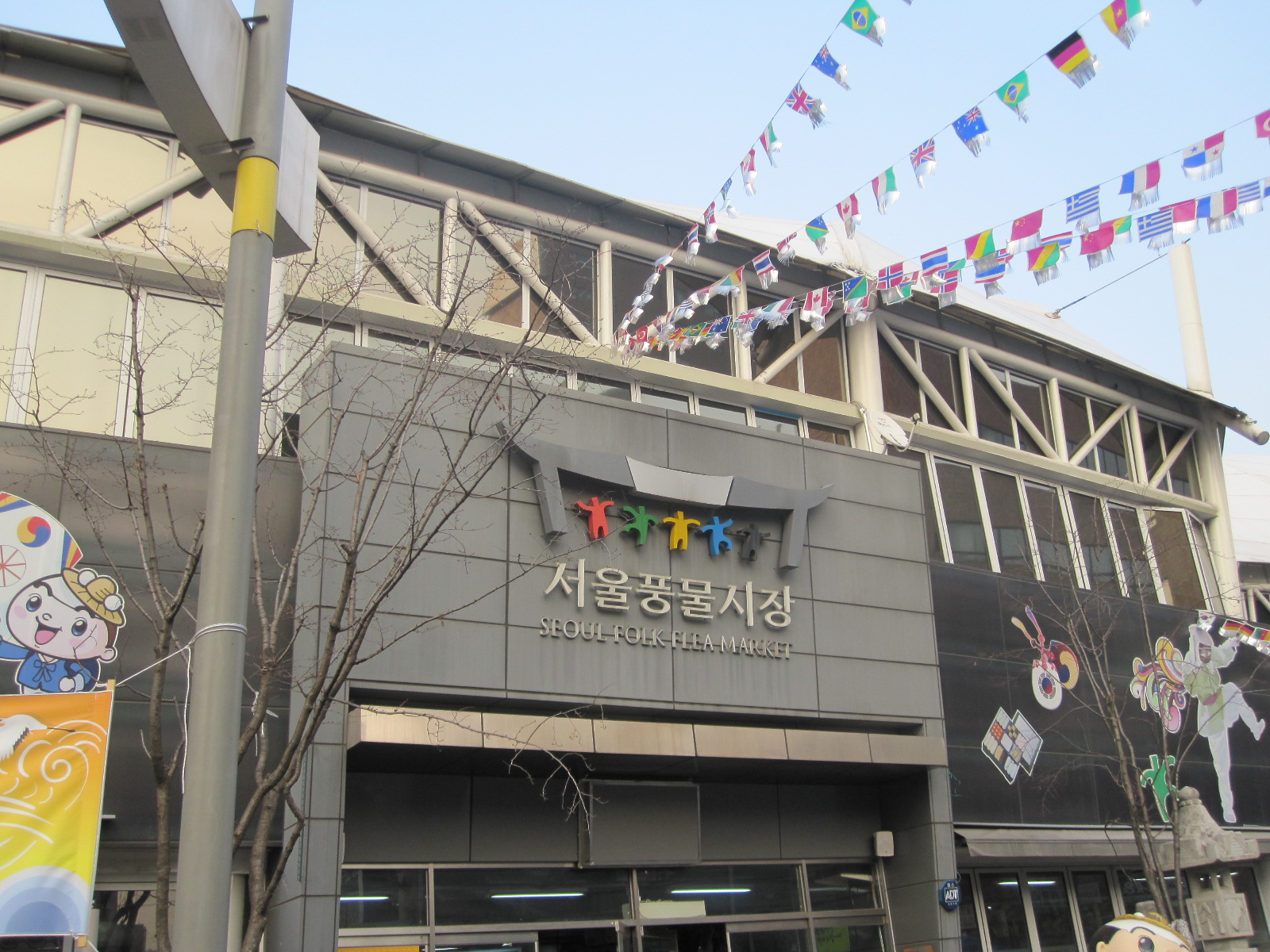
Seoul Folk Flea Market - you can buy anything either in the main bulilding or the surrounding streets. Located just east of the old winning line at Sinseol-dong
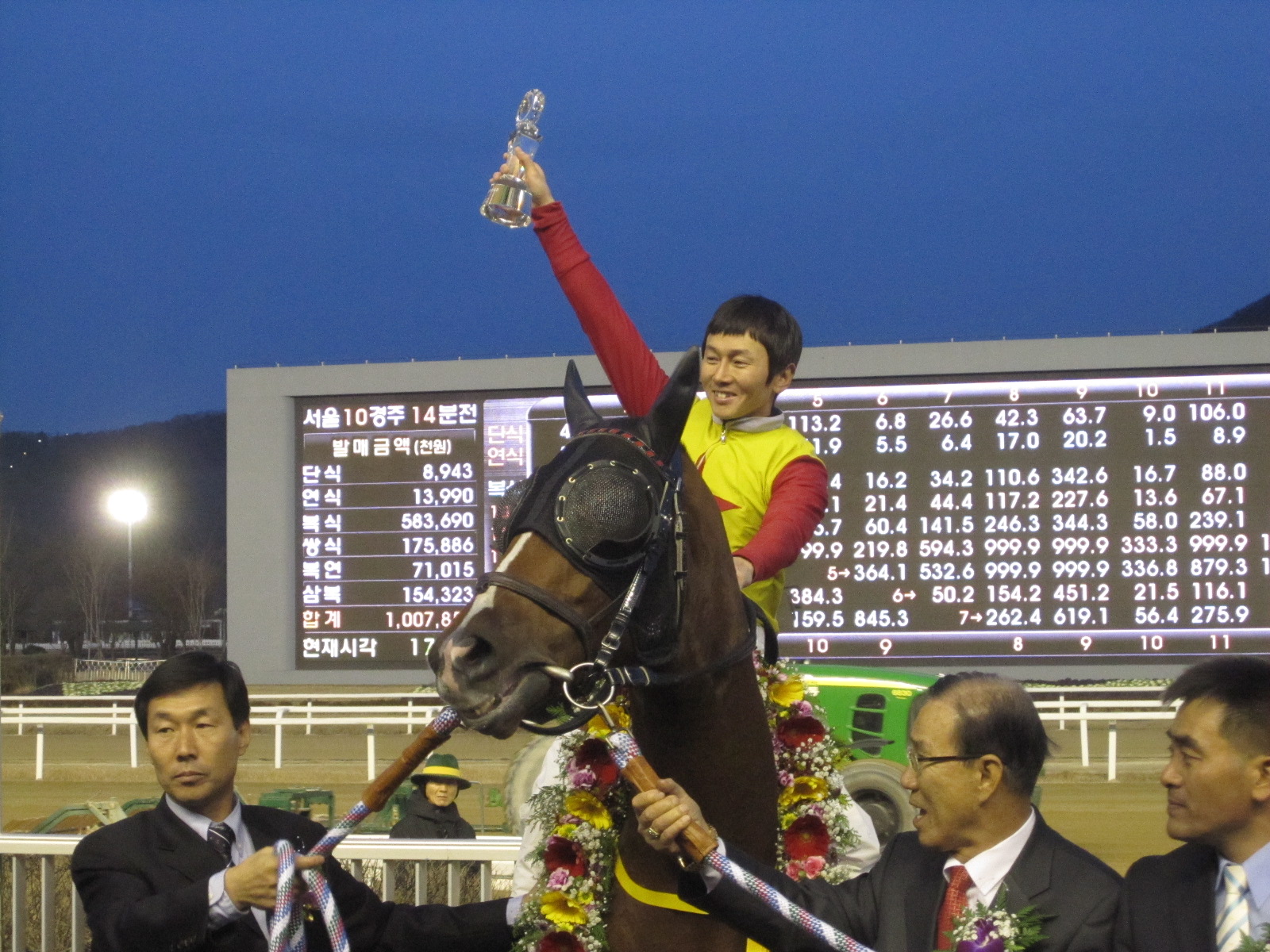
Horse Of The Year – And Other Awards

With no racing this weekend and a month gone of the new season, it’s time to take a belated look back at 2010. Last week, the Korean Racing Journal, Korea’s most authoritative racing newspaper (in Gyongmaman’s opinion anyway as he likes to bet their “dark horse” predictions) published their annual award winners. There were numerous categories up for grabs along with some special awards too. One thing to note is that no horse could win more than one category.

Horse Of The Year: Tough Win

Horse Of The Year: Tough Win
He was beaten in the season-ending Grand Prix but before that won six straight races in 2010 including the Busan Metropolitan and the KRA Cup Classic. While Mister Park remained unbeaten, the quality of opposition Tough Win defeated up until the Grand Prix was superior. Doubts about his staying ability appear to have been confirmed by his defeat in his 2011 debut but in 2010, Tough Win was a worthy Horse Of The Year.

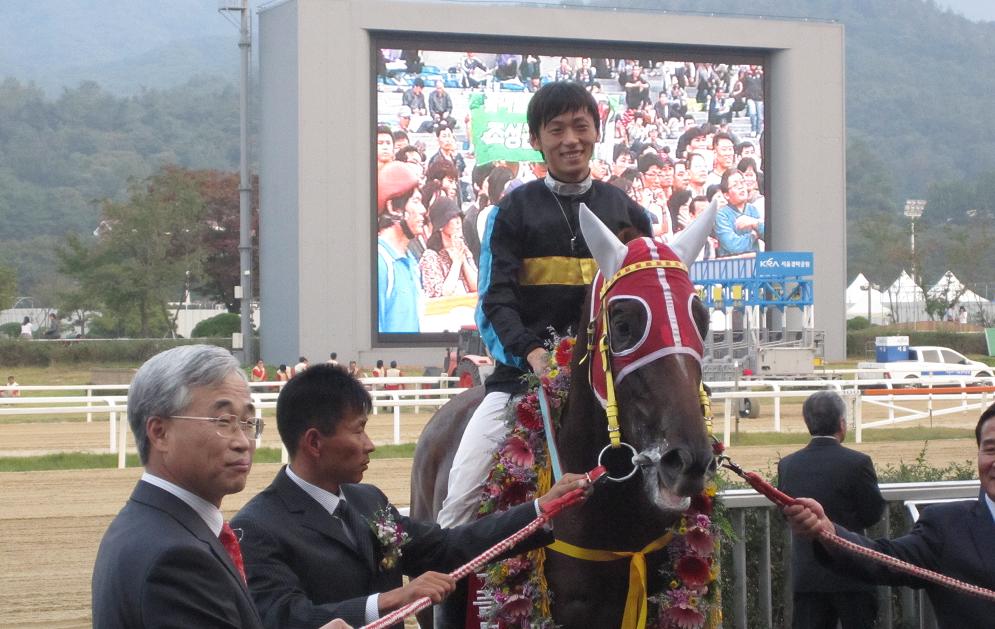
Mister Park

Male Horse Of The Year: Mister Park
It was a toss-up between him and Tough Win as to who would take the big prize but Mister Park is both the present and the future of Korean racing. His win in the Grand Prix in December capped an unbeaten nine races in 2010. He wasn’t eligible for the Triple Crown by virtue of having been sired overseas, however, the sire in question, Ecton Park, is now in Korea and his progeny are eagerly awaited.

Champion Filly & Mare: Sangseung Ilro
A remarkable filly, the winner of two legs of the Triple Crown in 2009, Sangseung Ilro takes this crown for the second year running. She has fragile legs and has to be campaigned very sensibly but was kept in training instead of being rushed off to the breeding shed. She ran seven times in 2010, capturing two Stakes victories along the way and she will go down as one of the best fillies or mares in Korean racing history.

Dangdae Bulpae

Champion Three Year Old (open): Dangdae Bulpae
He struggled in the KRA Cup Mile and finished third in the Derby but came good in the autumn as he landed the Minister’s Cup – the final leg of the Triple Crown – at Seoul in October, before returning to the capital a month later to defeat older horses in the President’s Cup. While Seoul’s two most talented three-year olds of 2010, Money Car and Northern Ace, found their careers tragically curtailed, Dangdae Bulpae remains a worthy winner of this award.

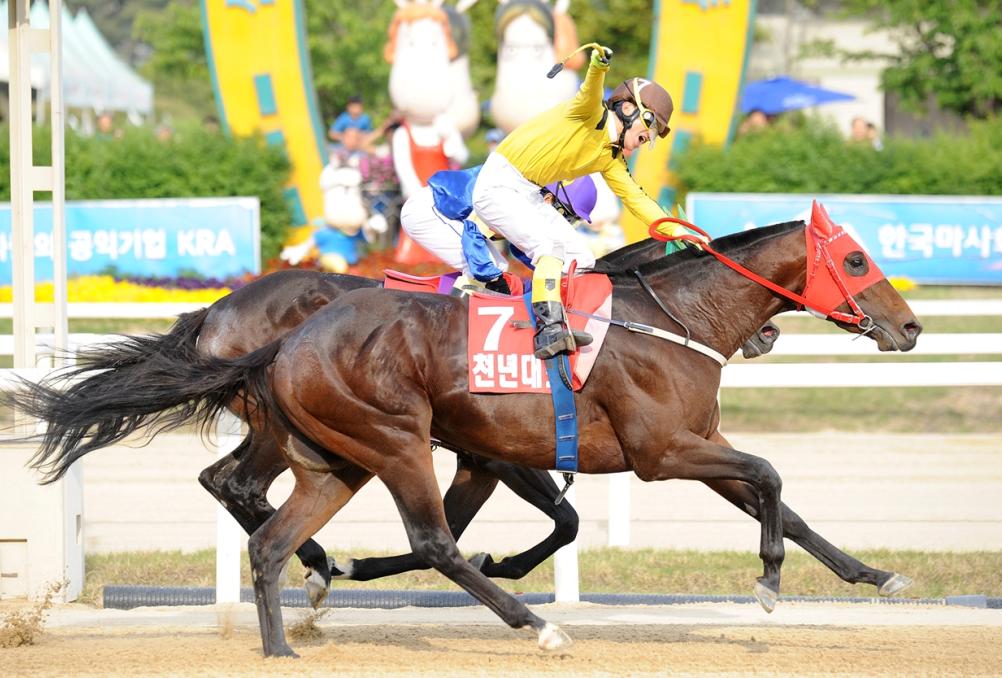
Champion Three Year Old (Korean): Cheonnyeon Daero
A bit of a stretch to split to award for champion three-year old between two Korean breds but Cheonnyeon Daero won the korean Derby and has gone on to show that was no fluke by landing the Busan Owner’s Cup at the end of the year.

Cheonnyeon Daero Winning the Derby (Ross Holburt)

Champion Trainer: Shin Woo Chul
With Tough Win and Dongbang Rose leading the way, the vetearn Soul handler scored 64 wins in 2010

Champion Jockey: Cho Kyoung Ho
While the talent may be at Busan, the competition is unquestionably at Seoul. A late season suspension to Moon Se Young helped but Cho Kyoung Ho finally claimed his first jockeys; championship with 120 winner.

Champion Owner: Tamna Feed Co.
A corporate owner wins this for the first time. Tough Win is the best known of a slew of winners for the Jeju based feed company. While feed companies have an obvious interest in sponsoring race horses, in recent years companies from other industries have become involved too, with IT, Construction and Cosmetic companies joining Shinhan Bank in owning racehorses. How the feed companies deal with their retired horses will be watched very very closely.

Champion Breeder: Seongsu Farm
The farm, based in Icheon, Gyeonggi Province, didn’t produce any big race winners this year but its mares are responsible for the likes of Gi Ra Seong, Good Day, Triple Sinhwa, Forest Wind and Breeders’ Cup first and second Sun Hero and Sun Blaze.

Special Awards: In addition to the regular prizes, some special awards were also handed out.

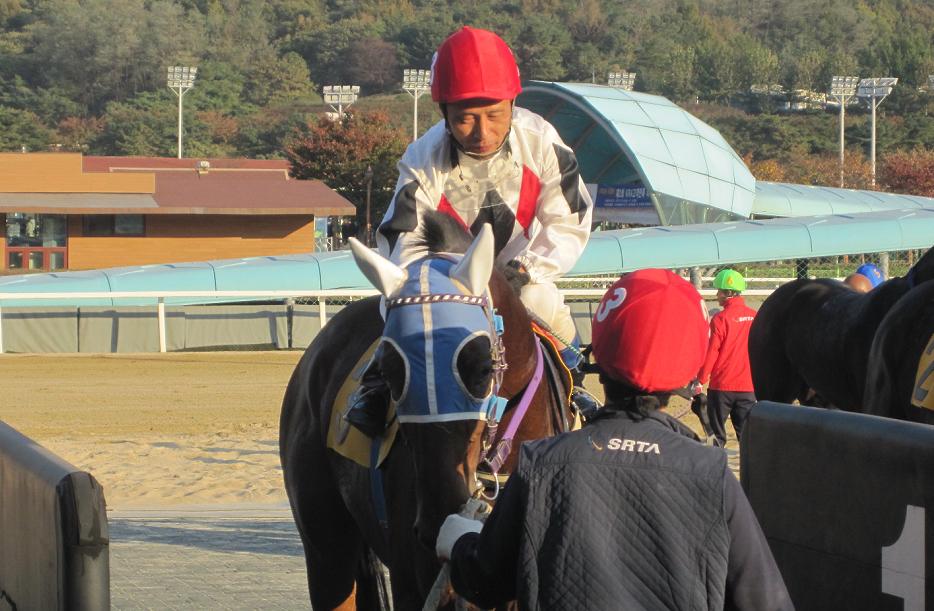
Kim Gui Bae

Lifetime Achievement: Kim Gui Bae
The longest-serving jockey in the weighing room, Kim Gui Bae had something of a renaissance in the latter part of 2010. While in the rest of the world it might be common for a jockey to have a career of thirty plus years, in Korea it is unheard of. Kim Gui Bae debuted in 1979 and is one of only three current riders (along with Park Tae Jong and Shin Hyung Chul) to have ridden at the old Ttukseom Race Park.

Special Award: Kim Seung Pyeong
A KRA employee at Busan, Kim Seung Pyeong was recognised for his work on IT systems.

Special Award: Sorabol College
This Higher Education institute located in Gyeongju, North Gyeongsang Province was recognised for its horse welfare course which specialises in training people to look after racehorses. A significant number of grooms at the Seoul and Busan Race Courses have been through this program

Special Award: Korea Horse Affairs High School
Staying with the education theme, this specialist high school was set up in North Jeolla Province in 2003 and is playing a key role in the development of young jockeys. Kim Cheol Ho, Park Byeong Yun, Jo In Kwen, Lee Gi Woong and Jang Chu Yeol are graduates who are making their way in the jockey ranks at Seoul Race Park.