History

History Time: Visiting The Old Seoul Racecourses

A trip to Ttukseom and Sinseol-Dong

The current Seoul Race Park, just outside the city limits in Gwacheon is horse racing’s third home in the capital. With no racing this weekend, it was an opportunity for a long overdue trip across the city to visit the sites of its two predecessors.
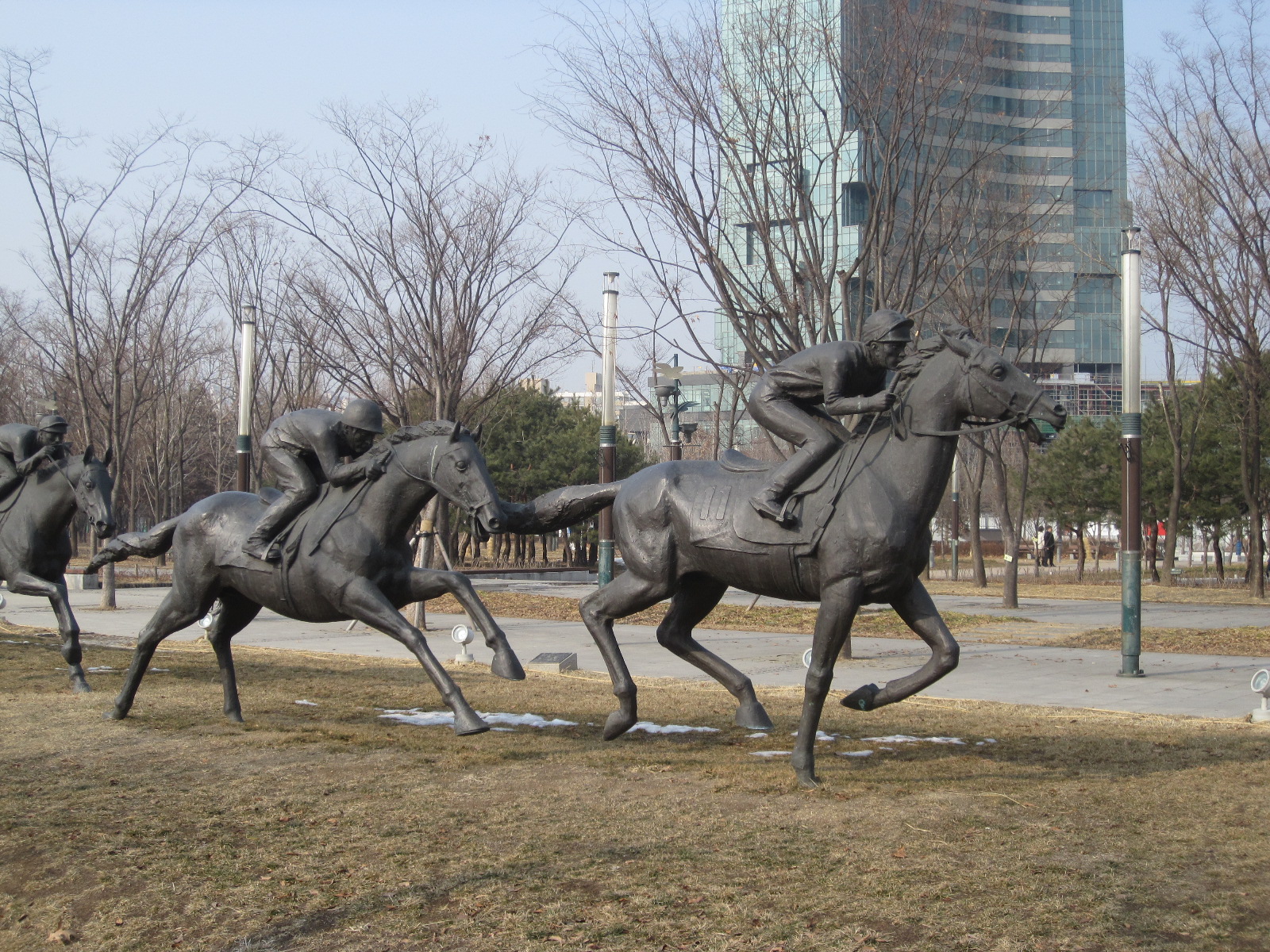
Seoul Forest honours its history as the former Ttukseom Racecourse

The KRA moved its operations to the current site in Gwacheon after the 1988 Seoul Olympic Games. During the Games, the KRA had organised the equestrian events and afterwards converted the facility for racing, closing its track at Ttukseom which had been the home of Seoul Racecourse for thirty-five years.
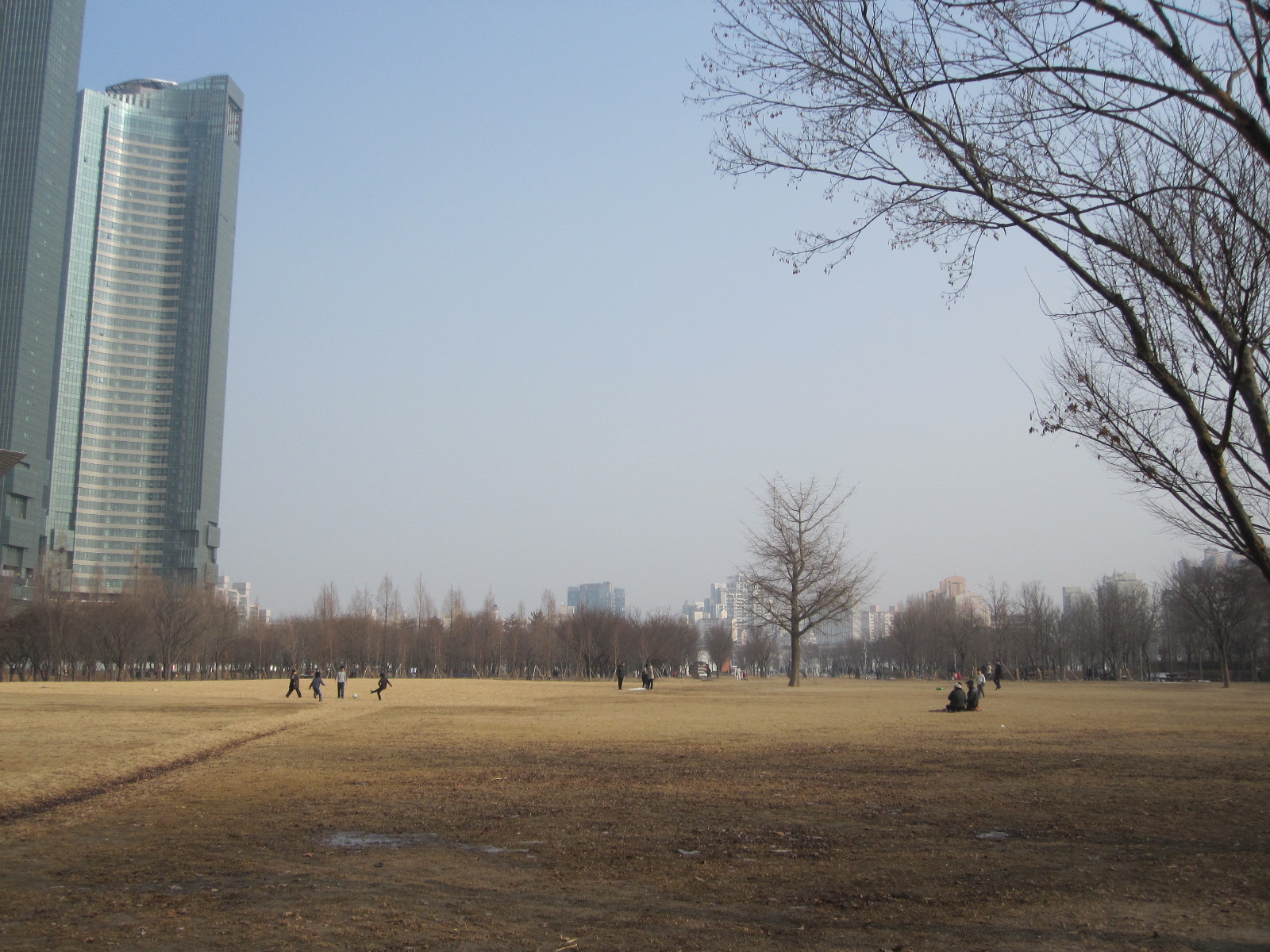
The large Ttukseom infield remains intact

Remarkably, given its central location, Ttukseom remains open space. After the racecourse closed, a water purification plant was built but the majority of the site lay untouched with the infield public golf driving range remaining open until well into the 1990s.

In 2003, resisting the temptation to turn the whole site into a private golf-course or to let Samsung, GS et.al build expensive apartments on it (well not on all of it, anyway) the City Authorities launched an ambitious plan to turn the area into an inner-city Forest Park. The old grandstand was finally knocked down and two years later, “Seoul Forest” was officially opened. And a beautiful place it is too.
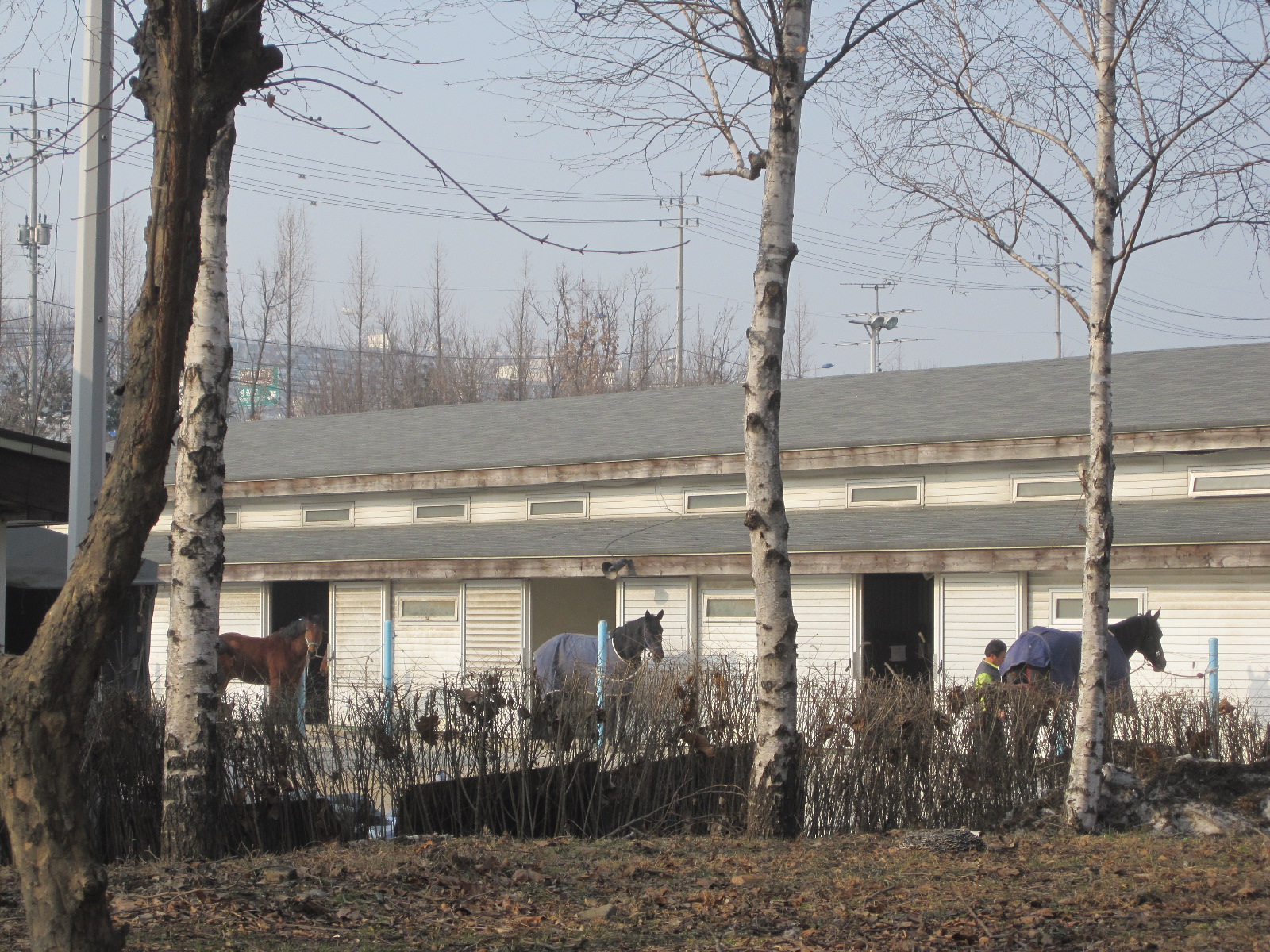
Some of the old Stable blocks are still in use

The bronze statues of racehorses contesting a tight finish is just one of many reminders of its former use. The oval track outline is still visible, having been turned into a walking path and, even on this chilly late winter day, many walkers, cyclists, and even game-playing families, were out enjoying the tail-end of the Lunar New Year holiday in the cool sunshine.

The old stable buildings were located on the same side of the track as the Grandstand and while there is no trace of the latter, one or two stable blocks remain intact as the home of the Seoul Equestrian Club. Indeed a number of horses were out being schooled in the club’s paddock drawing a small crowd of onlookers.
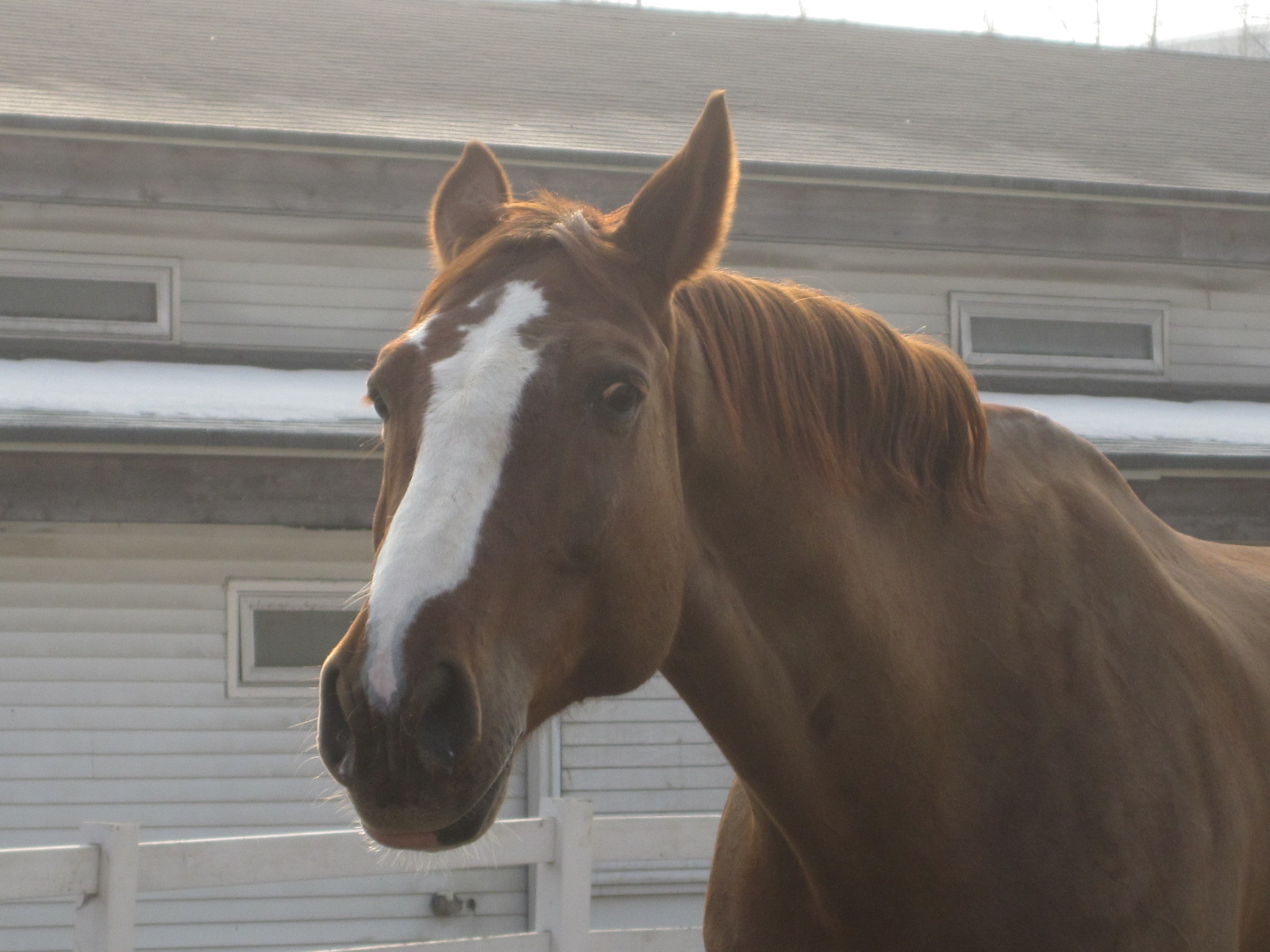
This chap was huge! But friendly enough as he took a break from schooling

The “forest” extends a long way beyond the confines of the old racecourse to join up with the nearby Hangang Park. It includes various “Eco-Zones” (basically bits of land that have just been left as they are) and a deer habitat, as well as a concert stage and the obligatory bicycle hire, coffee shop and fast food restaurant. While pleasant enough already, when the young trees start to mature in the next few years, Seoul Forest will surely be one of Seoul’s best parks.
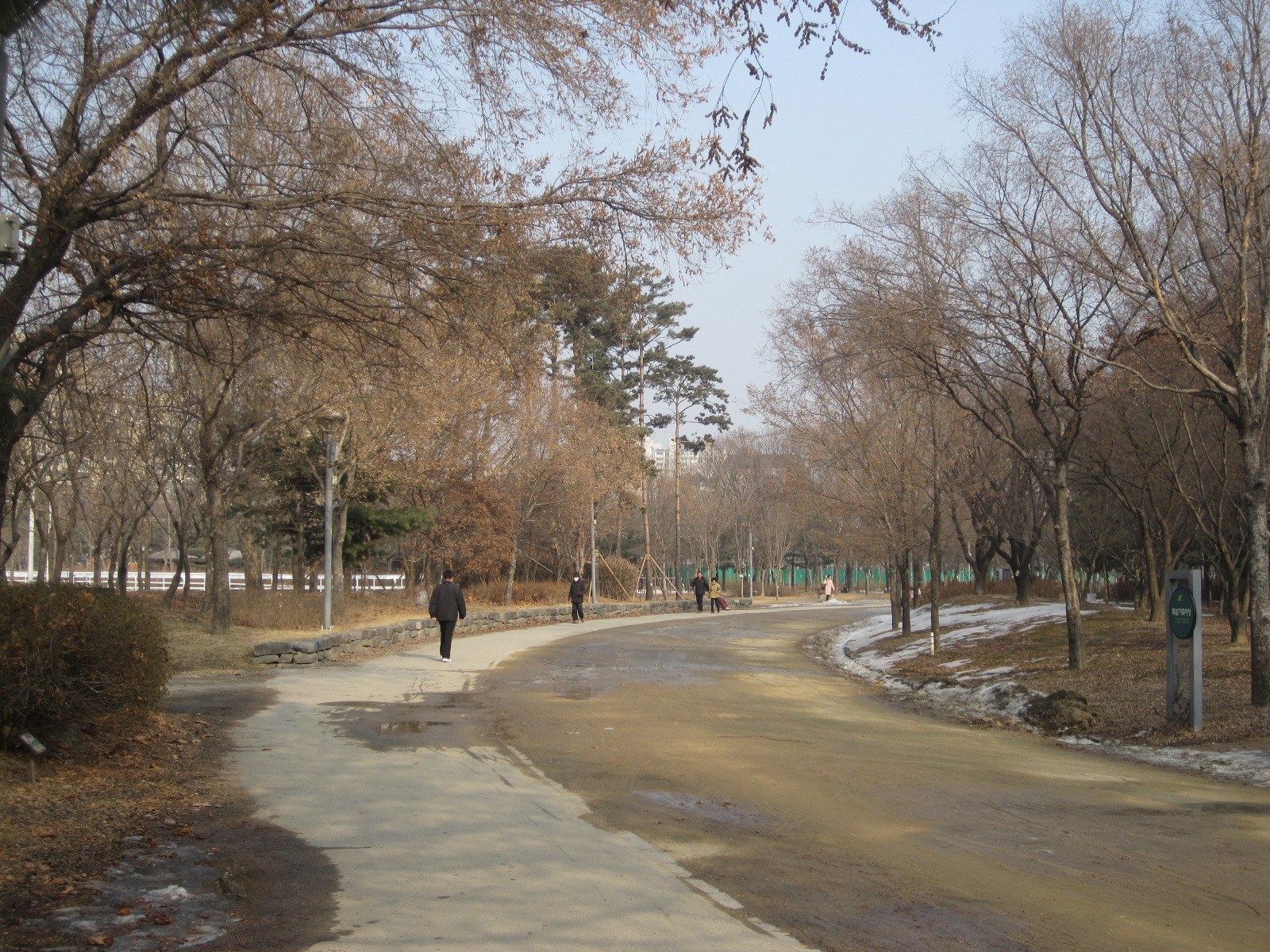
The home turn - unlike the current Seoul Racecourse, horses at Ttukseom ran clockwise

While it’s been only twenty-three years since it hosted its last race, Ttukseom truly does belong to a different era of racing. There was no private ownership of horses – all were owned by the KRA – and therefore no prize money. The Korean Stud Book was only just getting started and a large portion of the horses running would not have been thoroughbreds. The only Stakes race to have begun at Ttukseom and still be run today is the Grand Prix, however, the old course is honoured in a race of its own, “The Ttukseom Cup”, contested at Gwacheon each April. Park Tae Jong, Shin Hyung Chul and Kim Gui Bae are the only jockeys still riding who began their careers at Ttukseom.
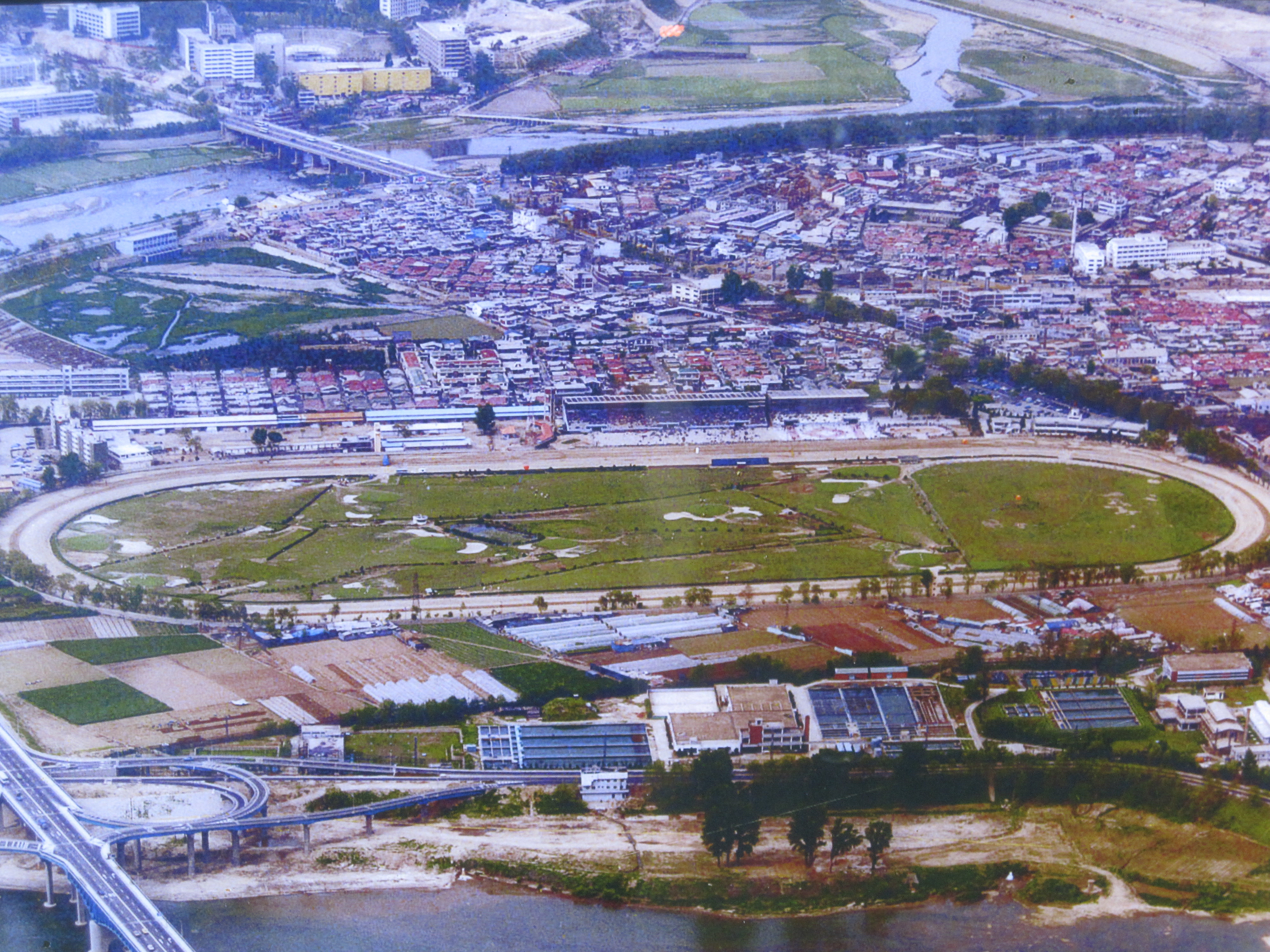
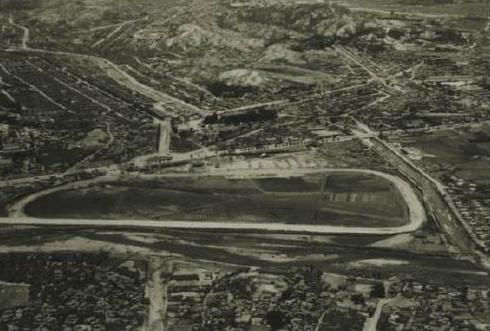
From the Archive: An overhead view of Ttukseom in its racing days (photo of a photo in the gallery at Seoul Race Park)

A fifteen minute subway ride from Ttukseom brings you to the district of Sinseol-dong and a step even further back in time in Korean racing terms. Sinseol-dong, adjacent to the historic “Dongdaemun” or “East Gate” and it’s sprawling market, was home to Seoul Racecourse from 1928 until the outbreak of the Korean War in 1950 when the track was abandoned (see this post from last year about the final day of racing at Sinseol-dong).
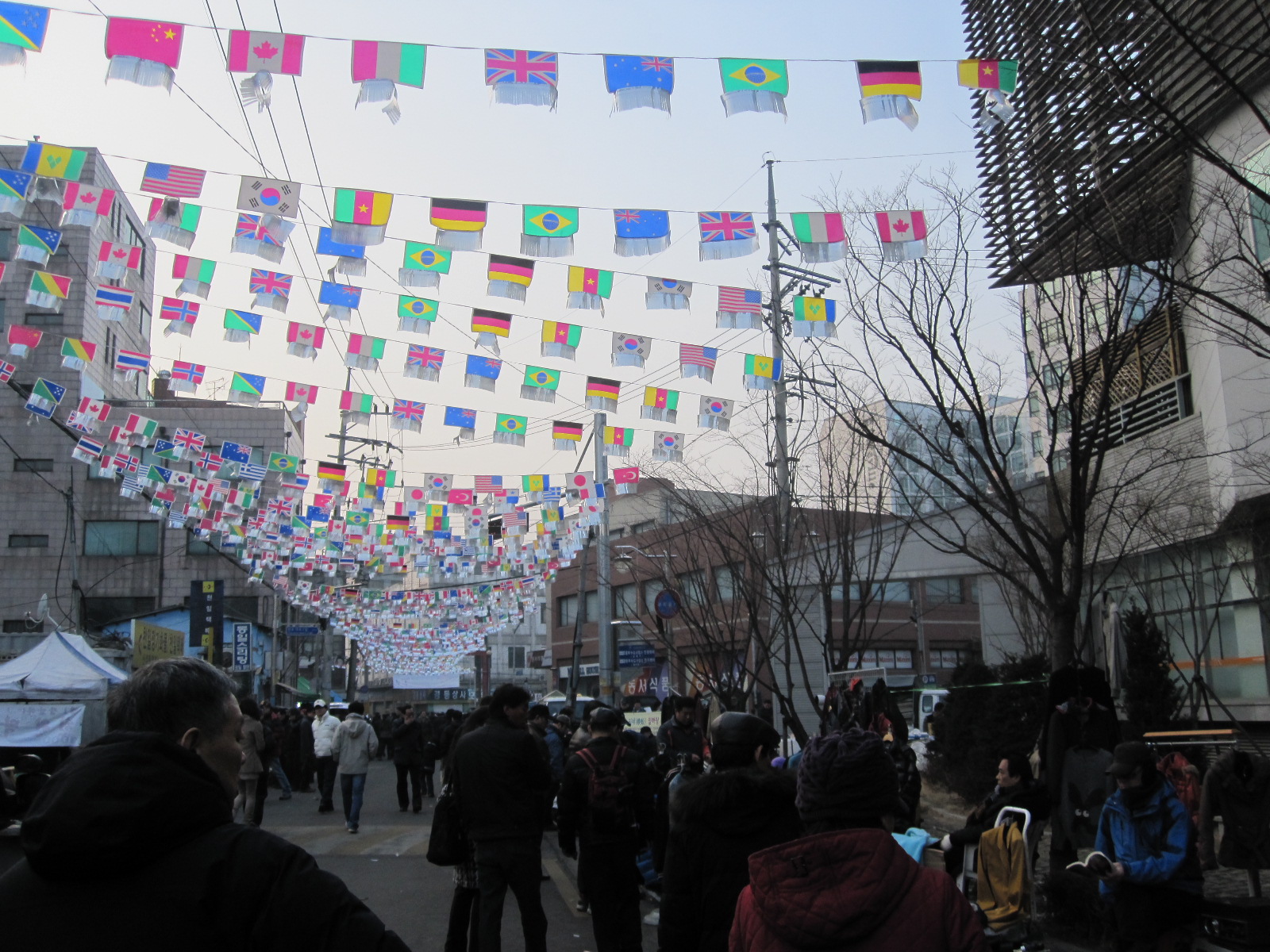
One of a number of bustling street markets on the site of the old Sinseol-dong Racecourse

Today, nothing remains of the track, which was situated from the wall of Dongmyo Shrine in the west, stretching down to the Chongyecheon stream to the South, Sinseol-dong Station to the North and the present day Seoul Folk Flea Market in the east.

The KRA does, however, have a presence on the site in the shape of a gleaming new eight storey Off-Track Betting Plaza. The plaza is located a few metres to the south of where the winning post would have stood.
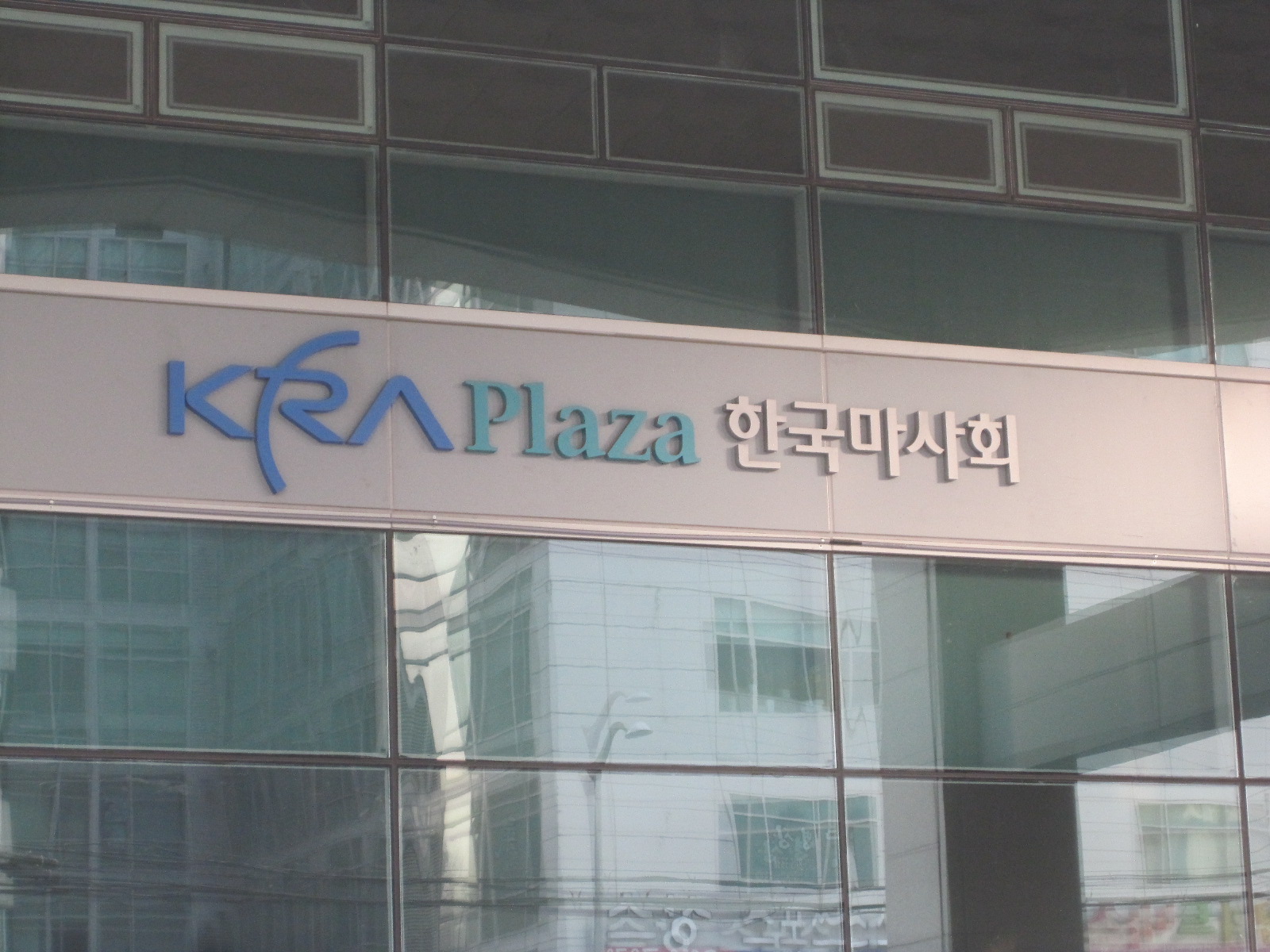
Just south of where the Sinseol-dong winning post would have stood, the KRA has a massive, brand new off-track betting plaza

The rest of Sinseol-Dong – the old track infield – is a maze of old buildings and alleyways that were constructed in the late 1950’s and early 1960’s and which have yet to undergo the “Samsung-ification” of much of the rest of tha capital. With the Dongmyo Market in the East and the “Folk Flea Market” in the west, it is a fascinating area and one in which you can walk around for hours without running out of things to see. However, the giant – and very expensive – Lotte Castle Apartment buildings just to the South sadly look sure to encroach on the area very soon
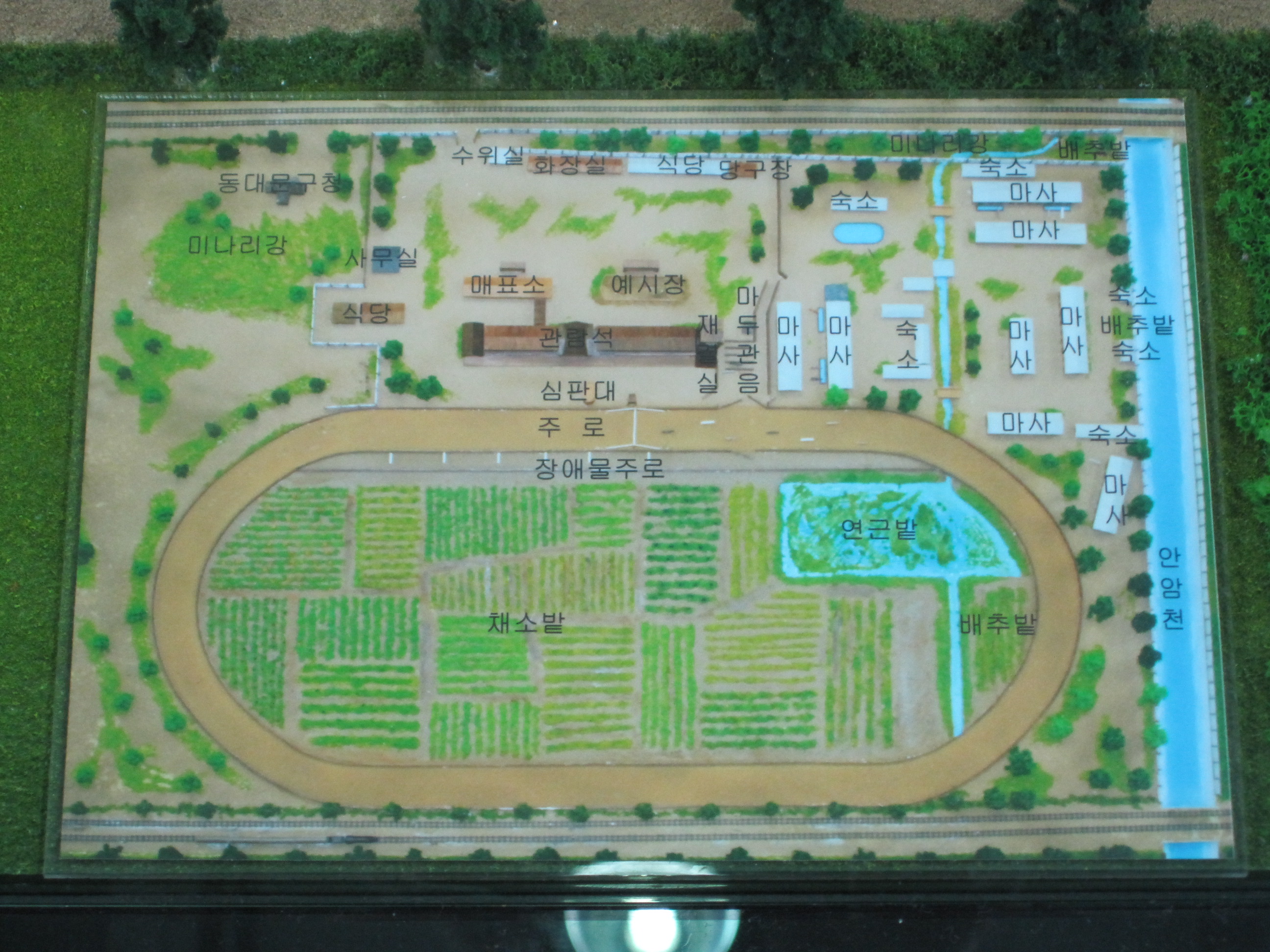
A scale-model of Sinseol-dong Racecourse in the present day Seoul Race Park gallery

In the early part of the twentieth century, there were a number of racecourses across the peninsula operated by local racing clubs, including a number in what is now North Korea. It is Sinseol-Dong and Ttukseom, however, as the forerunners of the present day Seoul Race Park, that played the biggest role in the development of horse racing here. For different reasons, the sites of both are well worth visiting; Ttukseom to spend a couple of hours away from city life in a tranquil setting and Sinseol-dong to see a little bit of the vibrancy of old-Seoul before its gone for good. The current track at Gwacheon is even more worth a visit and live racing resumes next Saturday.

Seoul Forest: Ttukseom Subway Station (Subway Line 2), take exit 8 – follow the signs to the Park entrance.

Sinseol-Dong: Sinseol-Dong Subway Station (Subway Lines 1 & 2), exit 10. The site of the winning post is in the vicinity of the KRA Plaza. Take exit 10 from the station, turn left and walk for 1 minute.
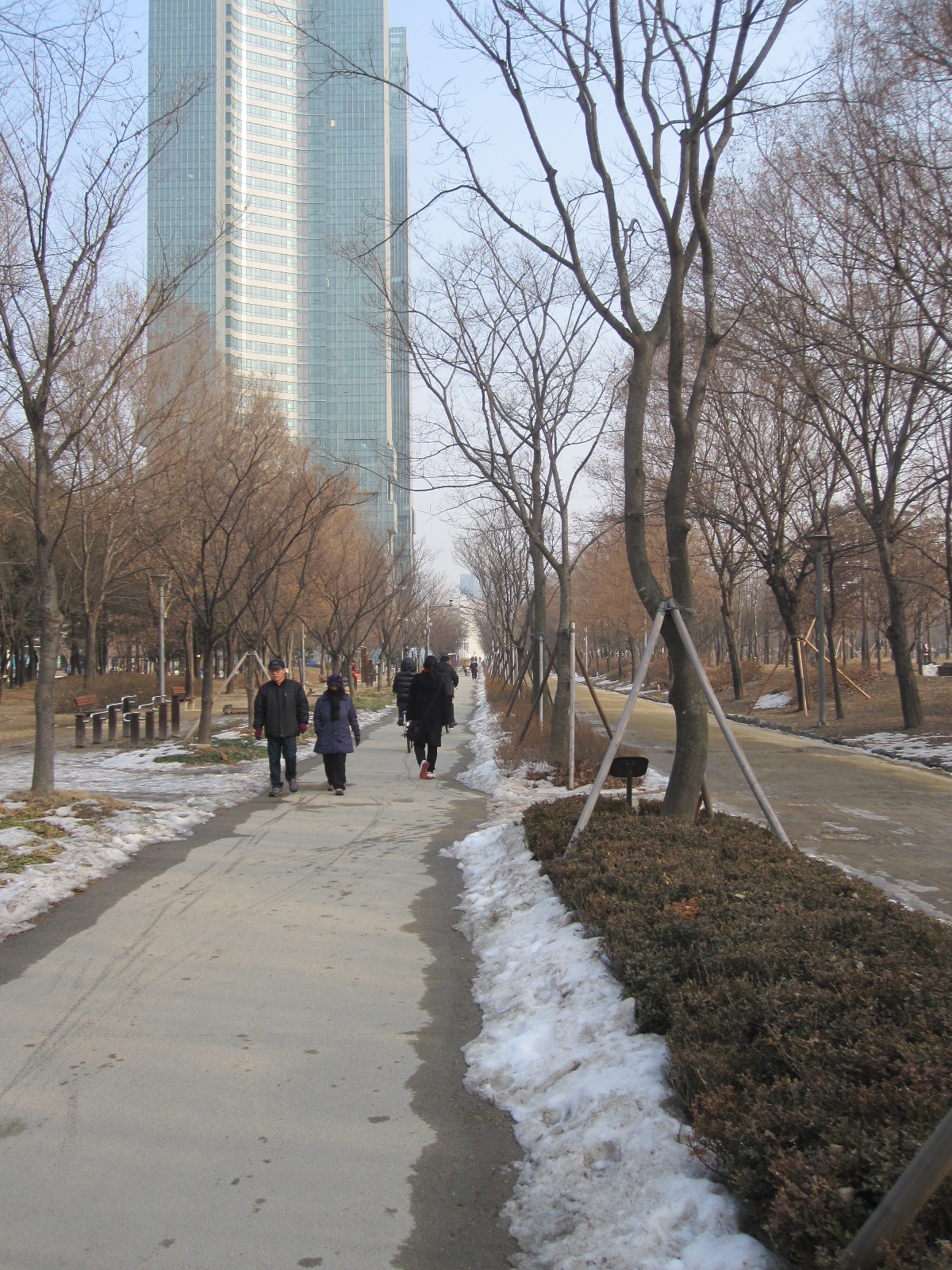
View down the old home straight towards the winning post at Ttukseom
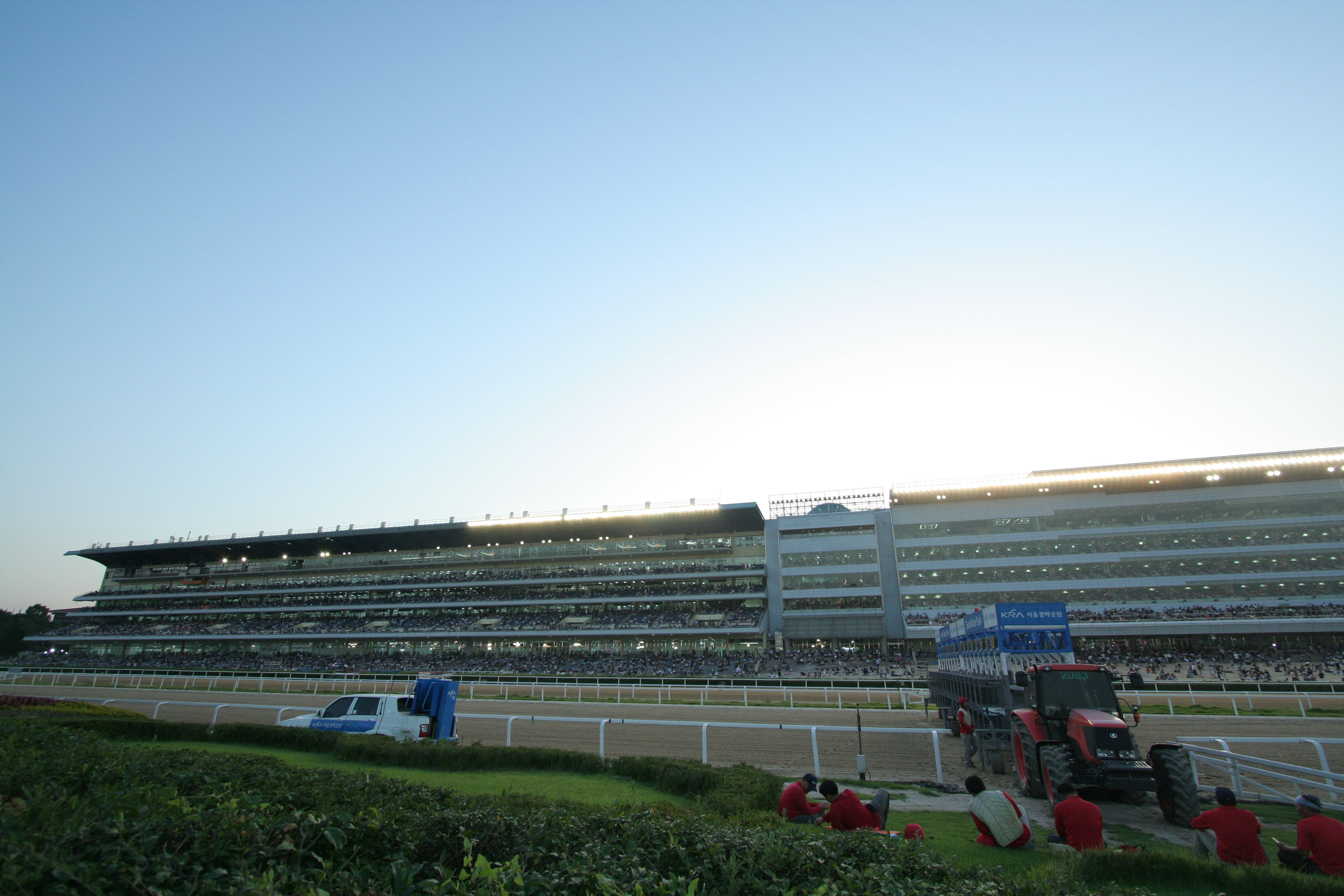
Still Standing: The Present day Seoul Racecourse at Gwacheon
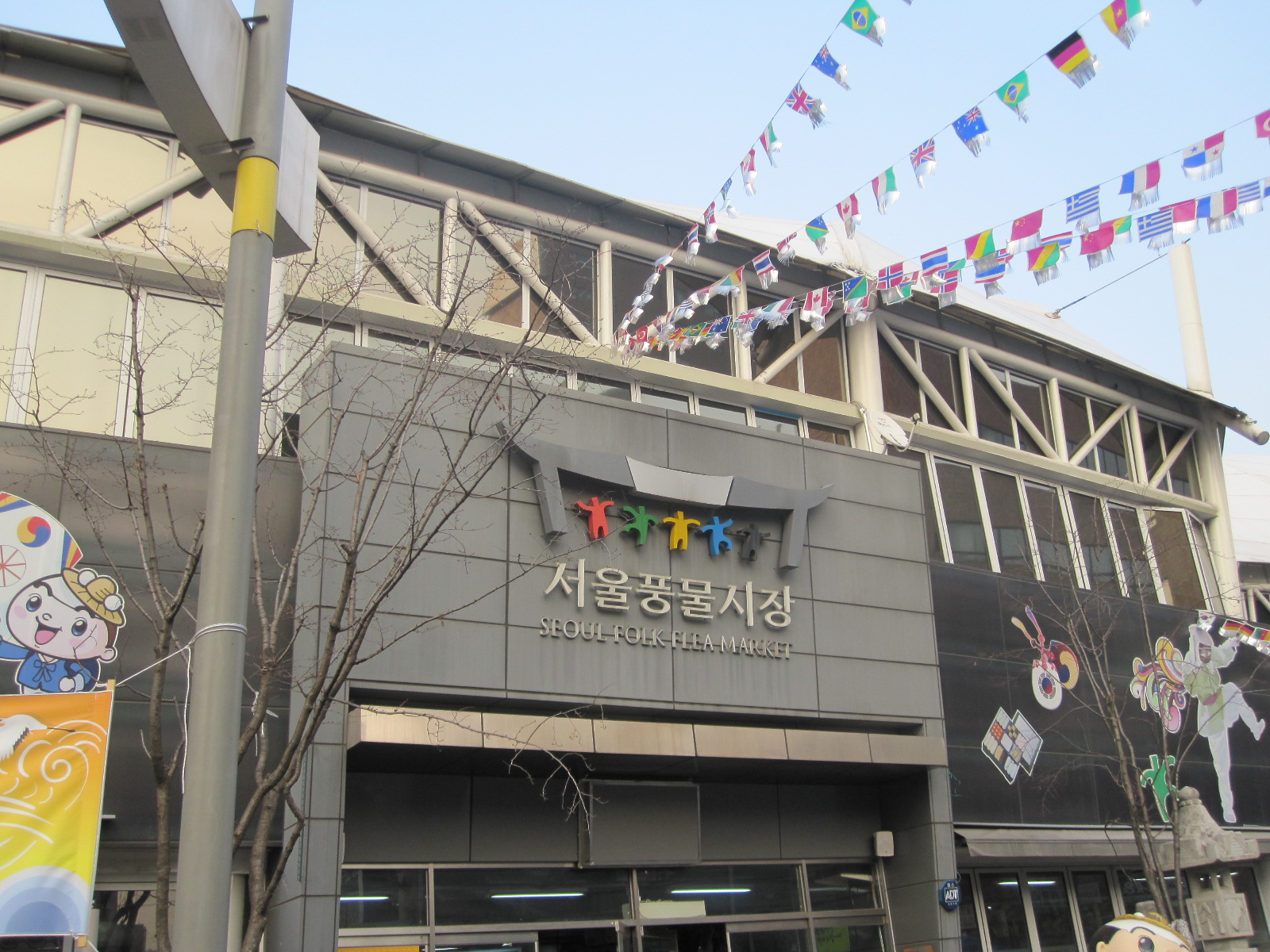
Seoul Folk Flea Market - you can buy anything either in the main bulilding or the surrounding streets. Located just east of the old winning line at Sinseol-dong
As the Invasion began, Racegoers kept on Punting

Sinseol-Dong’s last day….

At 4am on June 25, 1950, North Korea launched a massive artillery barrage against the South across the 38th parallel – the artificial boundary that had split the two Koreas since liberation from the Japanese. On that day, a Sunday, one of the biggest races of the year was scheduled with the running of a race at Seoul Racecourse in honour of Shin Ik Hee.

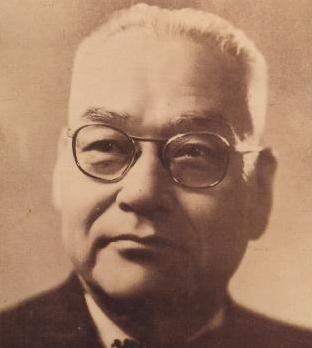
Shin had been a resistance fighter against Japanese colonial rule and, along with Syngman Rhee, was recognised as one of the two “Founding Fathers” of the Republic of Korea and the then Speaker of the “Constituent Assembly” (now “National Assembly” or Korean Parliament). Shin, President Syngman Rhee and Kim Gu – the former President who had died the previous year, were all frequent visitors to the races.

One of the "Founders of the Republic" a race in honour of Shin Ik Hee was run on the day North Korea invaded

Despite the rumours that were flying around the city of the invasion taking place just 30 miles to the North, a big crowd packed into the track in Sinseol-dong – location of Seoul Racecourse since 1928 – and racing got underway as usual at 11am. Many believed that what had happened was just a border skirmish, the likes of which were very common at the time and, while troubling, certainly weren’t worth losing a day’s punting over.

During Race 4, however, an unidentified plane circled the track and dropped hundreds of leaflets from the North announcing that an invasion – or ‘liberation’ – was in progress. Shortly afterward military jeeps arrived at the track equipped with loudspeakers calling for soldiers on leave among the crowd to immediately return to their divisions.

Racing continued and the Shin Ik Hee race (race 7) went ahead as planned, as did all twelve scheduled races, as word slowly filtered through that this was no border skirmish. At the end of racing at 5pm, young men at the track – including trainers, grooms and jockeys – were required to report to the racing office where most were immediately pressed into military service.

And so the Korean War had begun. Within 48 hours Seoul had been abandoned to the advancing Communist forces.

On September 15, the daring Incheon landings were launched under the direction of General MacArthur. Within a week Seoul was back in UN hands. The racing authorities – recently renamed the KRA – reconvened and believing, along with most others, that the Communists had been expelled for good, they discussed the possibility of racing resuming in late October.

The battle for Seoul though had been brutal. The advance of the Allies had been yard-by-yard and was met with fierce resistance in a bloody three-day street battle which left much of the city in ruins. The Communist army had used Sinseol-dong to store equipment, making it a prime target for allied bombing. When racing authorities returned to the track, they found it devastated, the safe looted and the horses gone. Most likely they had been used by the advancing army to carry supplies with the majority likely to have perished under fire as the Northern invaders were expelled.

Nevertheless, the Racing Authority was initially determined to go ahead with the re-opening and made plans to bring in horses from the South of the country. This plan was dashed – along with hopes for a swift end to the fighting – when China officially entered the war and promptly drove the Allies back across the 38th parallel and out of Seoul once more.

So began a long period of stalemate. Seoul would change hands several more times and would be little more than a burnt out shell of a city when nearly three years – and millions of military and civilian lives later – a truce would be agreed leaving both sides with roughly the same territory that they had before the war.

Seoul Racecourse in Sinseol-dong, some time prior to 1950

Racing never did return to Sinseol-dong. When the Authorities brought racing back to the shattered capital in 1954, it was to the north bank of the River Han at Ttukkseom. This new track would be home to Seoul Racecourse until the 1988 Olympic Games.

As for Shin Ik Hee, history doesn’t definitively record whether he showed up at the track as scheduled that fateful day to present the trophy named in his honour. He survived the war though and was a candidate in the 1956 Presidential elections but while campaigning, fell ill and died at the age of 62.

* Sources: The Korean language newspapers Ilgan Sports and Gyeonggi News both wrote on Sinseol-dong Racecourse’s last meeting last year. Information in English on Shin Ik Hee (also known as “Hae-Gong”) is scarce but some can be found here. General information on the Korean War is from Hastings, Max “The Korean War” (Pan, 1987, 2000).
Updated See this post for information on what became of Sinseol-dong.

2009 – The Horses

Dongbanui Gangja ran seven times in 2009 and won seven times. Among those wins were an Owners’ Cup and his second Grand Prix. Currently untouchable at Seoul, he comfortably saw off those from Busan who dared to challenge him. By some distance, Dongbanui Gangja is our horse of the year.

Three year olds have had another mixed year. On the domestic front, Nice Choice eventually came good after a disappointing start to the year, his President’s Cup win over older horses the highlight. For the second year running, however, it was Busan horses who dominated the generation.

Namdo Jeap was second in the KRA Cup Mile and Korean Derby before going one better in the final leg of the Triple Crown. Like Nice Choice, Yeonseung Daero started the year with big expectations but only started living up to them late on in the campaign. In 2010, he more than others, will be the one to watch.

And then there was Sangseung Ilro. Overlooked by most before the Classics, the filly stormed to victory in the KRA Cup Mile at 16/1. Bizarrely, she remained unfancied for the Derby, which she proceeded to romp with ease.

Then it all went wrong. Sent off odds-on for the Oaks, she seemed all set for victory with a furlong to run, but tired to the extent that Pangpang managed to catch her. Diagnosed with a shin problem, she didn’t reappear until October when she made her bid for the Triple Crown in the Minister’s Cup at Seoul. Again she tired but bravely ran on for third place behind stablemate Namdo Jeap and Nice Choice.

With a disappointing reappearance last week, whether Sangseung Ilro returns in 2010 or follows 2008’s top filly Jeolho Chance, another plagued by injury, into the breeding shed, is still in doubt.

Those to have already had their careers prematurely ended by injury include Gangho and most notably, Playing Politics. The four-year old won six of his seven races and was considered a potential late season challenger to Dongbanui Gangja before he came back lame after easily winning what proved to be his final race in February.

Some old friends faded in 2009. Subsidy, Gayansanseong and Daiwa Arazi were retired while Golding, a stalwart of Busan since the track’s opening four years ago is in the way out. Meanwhile Subsidy’s great sparring partner Bally Brae was victorious early in the year but by the end of 2009, it was clear that his best days were behind him.

Feelgood story of the year is Baekgwang. Now six years old, the grey was champion three-year old in 2006 before suffering an injury that decimated his four-year old season and then flared up again in his only appearance in 2008. Following stem-cell treatment and a long period of recuperation, he came back in the SBS Cup in August. He ran fourth but went on to win two handicaps and finished second in the President’s Cup. In the unsentimental world of Korean racing, the sight of Baekgwang launching his home straight charge from the back of the field, just as he did three years ago.

Then there is the future. Seonbongbulpae, Northern Ace, Money Car and Night Moves caught the eye in the two-year old ranks this year. Will they push on in 2010? Who are those that we don’t know about yet but will have forced themselves into the Classic reckoning come May?

The road to the Derby is just days away. With that in mind, let’s take a look back at the four Classics of 2009:

1: The KRA Cup Mile – Busan, April 5: Sangseung Ilro stuns the colts by winning the first Classic:

2: The Korean Derby – Seoul, May 17: Sangseung Ilro again takes the honours to set up a possible Triple Crown:

3: The Korean Oaks – Busan, August 9: It’s Sangseung Ilro’s turn to be upset as Pangpang reels her in over the final furlong on a hot night in Busan:

4: The Minster of FAFF Cup – Seoul, October 12 – Namdo Jeap finally makes it to the Winners’ Circle, ending Sangseung Ilro’s hopes of emulating J.S.Hold in winning the Korean Triple Crown:

All these equine athletes become a year older on January 1. We will no doubt say goodbye to some in 2010 and meet a whole host of others for the first time. Wherever a horse is running next year, may it come home safely.

Twenty Eight Years of the Grand Prix

Sunday is the 28th running of the Grand Prix Stakes, the season ending race which in theory, clears up the matter of the year’s top thoroughbred in Korea. It’s one of the most valuable races on the calendar and also the longest running “name” race.

Whereas the Classics are restricted to Korean bred entrants, the Grand Prix is open to all. Indeed in the previous 27 editions, home-bred horses have ended up in the winner’s circle just three times. Fillies or mares have won the race five times with Ka Shock Do taking back-to-back wins in 1990 and 1991.

Dongbanui Gangja will be bidding to become the third horse to win in two consecutive years – along with Ka Shock Do, the great Po Gyeong Seon won the first two editions of the race in 1985 and 1986 – carrying 65kg in the latter.

2008: Dongbanui Gangja (USA)
2007: Bally Brae (USA) – Also has two second places to his name, in 2006 and 2008.
2006: Flying Cat (KOR)
2005: Subsidy (USA)
2004: Value Play (USA)
2003: Tempest West (USA)
2002: Bohamian Butler (USA)
2001: Tahamkke (NZ) – has gone on to become a moderately successful sire in Korea
2000: Cheolgeoun Party (KOR) – The only Korean bred filly to win.
1999: Saegangja (KOR)
1998: Sin Se Dae (AUS)
1997: P’Ulgeurim (NZ)
1996: Hula-Mingo (NZ)
1995: Dae Kyeun (AUS)
1994: Ji Goo Ryeok (AUS) – The first year prize-money was awarded, Ji Goo Ryeok’s connections took home 50 Million won. This year’s winner will receive 212 Million, slightly down on last year.
1993: Gi Peun So Sik (NZ)
1992: Chun Pung (NZ)
1991: Ka Shock Do (NZ) – With her second , she became arguably the greatest filly to run in Korea. In all, she won twelve of her thirteen starts.
1990: Ka Shock Do (NZ)
1989: Cha Dol (USA)
1988: Wang Bang Wool (AUS)
1987: Cheong Ha (AUS)
1986: Po Gyeong Seon (NZ) – with twenty wins from twenty-five starts, he is, along with Saegangja and J.S. Hold
1985: Po Gyeong Seon (NZ)

Choi Beom Hyun will be bidding to become just the second jockey to win the race twice. While the current top four of Choi, Moon Se Young, Cho Kyoung Ho and Park Tae Jong have all won the race once, only Lee Sung Il, who retired in 2005, has won twice.

The origin of the winners also shows the change in influence on Korean racing. Throughout the eighties and nineties, the vast majority of horses imported to Korea were from the Southern Hemisphere. This is reflected by Australian or New Zealand breds winning thirteen of the first sixteen runnings, compared with just one American. Since the turn of the century, the majority of imports have come from the USA and American breds have won six out of the last seven editions.

* Although this is the 28th running of the Grand Prix, Korean racing records officially only go back to 1985.